Trump Proposes Tariffs on 14 Economies, Including China and India
United States
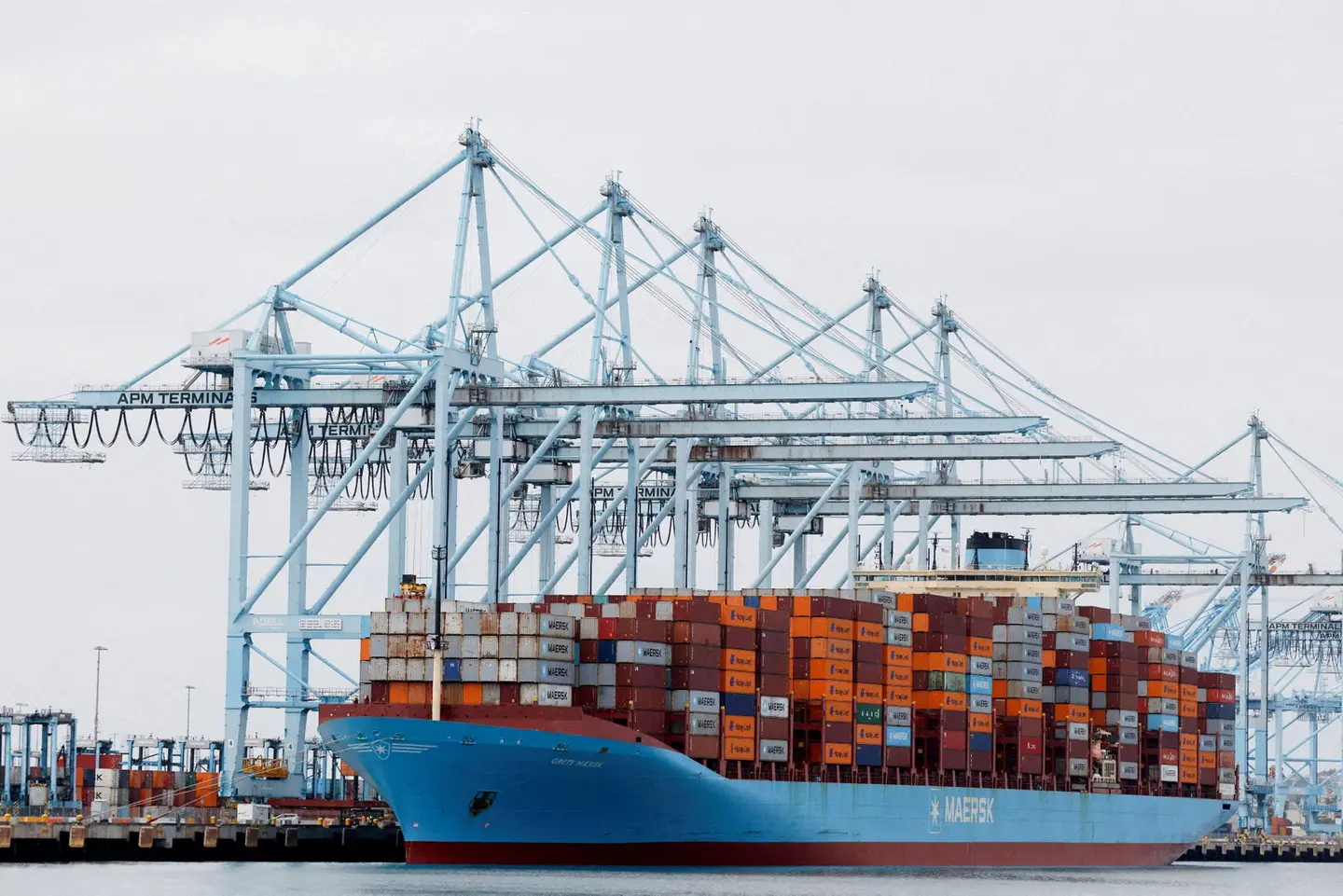
Caroline Brehman/Reuters




What Happened
What Happened
Where Sources Disagree
- Validity of Overcapacity Claims: The U.S. administration asserts that structural excess capacity in foreign manufacturing distorts global markets, justifying tariffs to protect American industry. Conversely, targeted nations reject these claims, characterizing them as a false narrative used by Washington as a pretext for political manipulation.
- Economic Impact of Tariff Policy: The Trump administration claims new tariffs on 14 economies are necessary to combat foreign industrial overcapacity and protect American manufacturing workers. However, critics and small business advocates contend that these duties exacerbate inflation and hurt small businesses, which are already struggling with rising costs.
Timeline
November 25, 2026
Tariff rates and rules detailed: The proposal set China among the highest-rated targets (a proposed 20% excess-capacity tariff that could add to earlier roughly 25% duties and in some cases produce total rates up to 45%), capped EU/Japan/South Korea/Taiwan rates at about 15%, and specified other rates (e.g., India 17%, Vietnam 20%, Cambodia/Indonesia ~18%). Officials also said the new duties would not stack on top of July's forced-labour tariffs and that about $30 billion of Chinese goods could be exempted under a bilateral process.
November 25, 2026
USTR announces tariffs on 14 economies: On November 25, 2026 the U.S. Trade Representative announced proposed new tariffs targeting 14 trading partners — including China, the European Union, India, Japan, South Korea and several Southeast Asian countries — arguing they sustain structural excess capacity that harms U.S. industry. Officials said affected countries had been notified in advance.
March 1, 2026
Section 301 probe launched: In March 2026 the U.S. Trade Representative opened an eight-month Section 301 investigation into alleged excess manufacturing capacity and unfair trade practices covering 16 trading partners, examining industrial policies, subsidies and other measures. The probe was pursued as a more legally durable path after the Supreme Court decision.
Summary by Ground AI
Sources
See All 545A varied selection of sources chosen by Ground to reflect the diversity of this story’s coverage.
Most Written About
The stories getting the most coverage from the last 24 hours



Timeline
November 25, 2026
Tariff rates and rules detailed: The proposal set China among the highest-rated targets (a proposed 20% excess-capacity tariff that could add to earlier roughly 25% duties and in some cases produce total rates up to 45%), capped EU/Japan/South Korea/Taiwan rates at about 15%, and specified other rates (e.g., India 17%, Vietnam 20%, Cambodia/Indonesia ~18%). Officials also said the new duties would not stack on top of July's forced-labour tariffs and that about $30 billion of Chinese goods could be exempted under a bilateral process.
November 25, 2026
USTR announces tariffs on 14 economies: On November 25, 2026 the U.S. Trade Representative announced proposed new tariffs targeting 14 trading partners — including China, the European Union, India, Japan, South Korea and several Southeast Asian countries — arguing they sustain structural excess capacity that harms U.S. industry. Officials said affected countries had been notified in advance.
March 1, 2026
Section 301 probe launched: In March 2026 the U.S. Trade Representative opened an eight-month Section 301 investigation into alleged excess manufacturing capacity and unfair trade practices covering 16 trading partners, examining industrial policies, subsidies and other measures. The probe was pursued as a more legally durable path after the Supreme Court decision.


