Federal Court Rules 2023 Spending Law Unconstitutional Over House Proxy Votes
United States
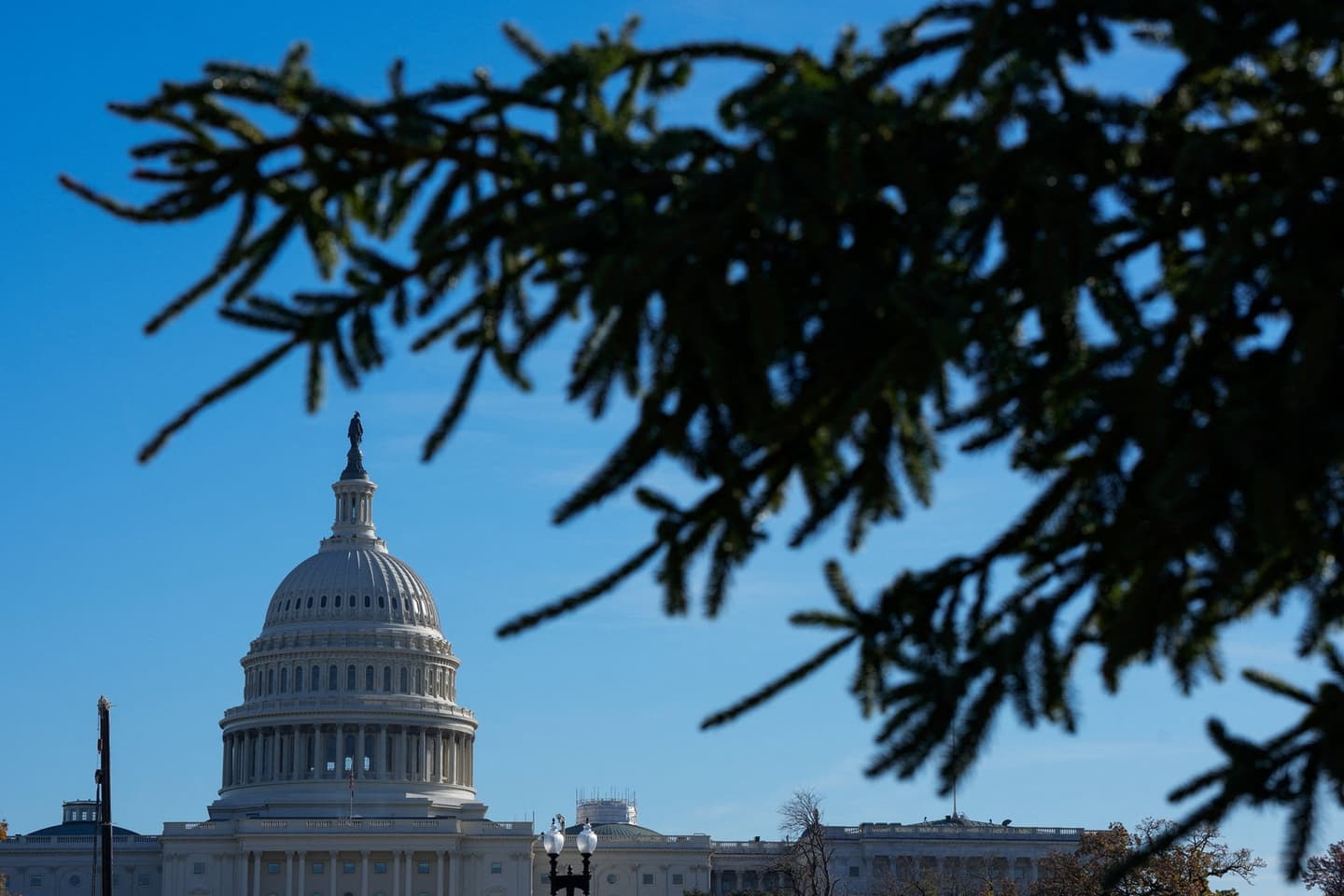
Elizabeth Frantz/Reuters
Source Analysis




What Happened
What Happened
Where Sources Disagree
- Proxy Voting Characterization: Some sources frame the House rule as Nancy Pelosi's unconstitutional proxy voting scheme, whereas others describe it as a pandemic-era emergency measure implemented to maintain operations during the COVID-19 crisis.
- Scope of Court Ruling: Some reports suggest the Fifth Circuit's ruling could invite broader legal challenges against Biden administration laws; however, others emphasize that the court specifically limited the relief granted in this case to the Pregnant Workers Fairness Act.
Timeline
November 20, 2026
Fifth Circuit rules proxy unconstitutional: On November 20, 2026 the en banc U.S. Court of Appeals for the Fifth Circuit ruled 9-8 that the House's proxy voting scheme violated the Constitution's Quorum Clause, affirming a district court injunction and barring the DOJ and EEOC from enforcing the Pregnant Workers Fairness Act against Texas. Judge Cory Wilson wrote the majority opinion holding proxies cannot be counted for quorum, while a dissent called the ruling "illogical, inexplicable, and invalid."
January 2023
Proxy rule rescinded after elections: The proxy voting rule was abandoned after Republicans won control of the House following the November 2022 elections, and then formally ended by Speaker Kevin McCarthy in January 2023. The change removed the pandemic-era remote voting mechanism used in 2020–2022.
2022
Appropriations bill passed via proxies: In 2022 the House used the pandemic-era proxy procedures to pass the $1.7 trillion Consolidated Appropriations Act of 2023; the final House vote was 225 yeas to 201 nays with 226 members voting by proxy and 431 total votes cast. That passage included the Pregnant Workers Fairness Act provision challenged by Texas.
Summary by Ground AI
Sources
See All 17A varied selection of sources chosen by Ground to reflect the diversity of this story’s coverage.
Most Written About
The stories getting the most coverage from the last 24 hours







Source Analysis
Timeline
November 20, 2026
Fifth Circuit rules proxy unconstitutional: On November 20, 2026 the en banc U.S. Court of Appeals for the Fifth Circuit ruled 9-8 that the House's proxy voting scheme violated the Constitution's Quorum Clause, affirming a district court injunction and barring the DOJ and EEOC from enforcing the Pregnant Workers Fairness Act against Texas. Judge Cory Wilson wrote the majority opinion holding proxies cannot be counted for quorum, while a dissent called the ruling "illogical, inexplicable, and invalid."
January 2023
Proxy rule rescinded after elections: The proxy voting rule was abandoned after Republicans won control of the House following the November 2022 elections, and then formally ended by Speaker Kevin McCarthy in January 2023. The change removed the pandemic-era remote voting mechanism used in 2020–2022.
2022
Appropriations bill passed via proxies: In 2022 the House used the pandemic-era proxy procedures to pass the $1.7 trillion Consolidated Appropriations Act of 2023; the final House vote was 225 yeas to 201 nays with 226 members voting by proxy and 431 total votes cast. That passage included the Pregnant Workers Fairness Act provision challenged by Texas.


