Supreme Court Declines Review of Trump’s Firing of NLRB Member Wilcox
United States
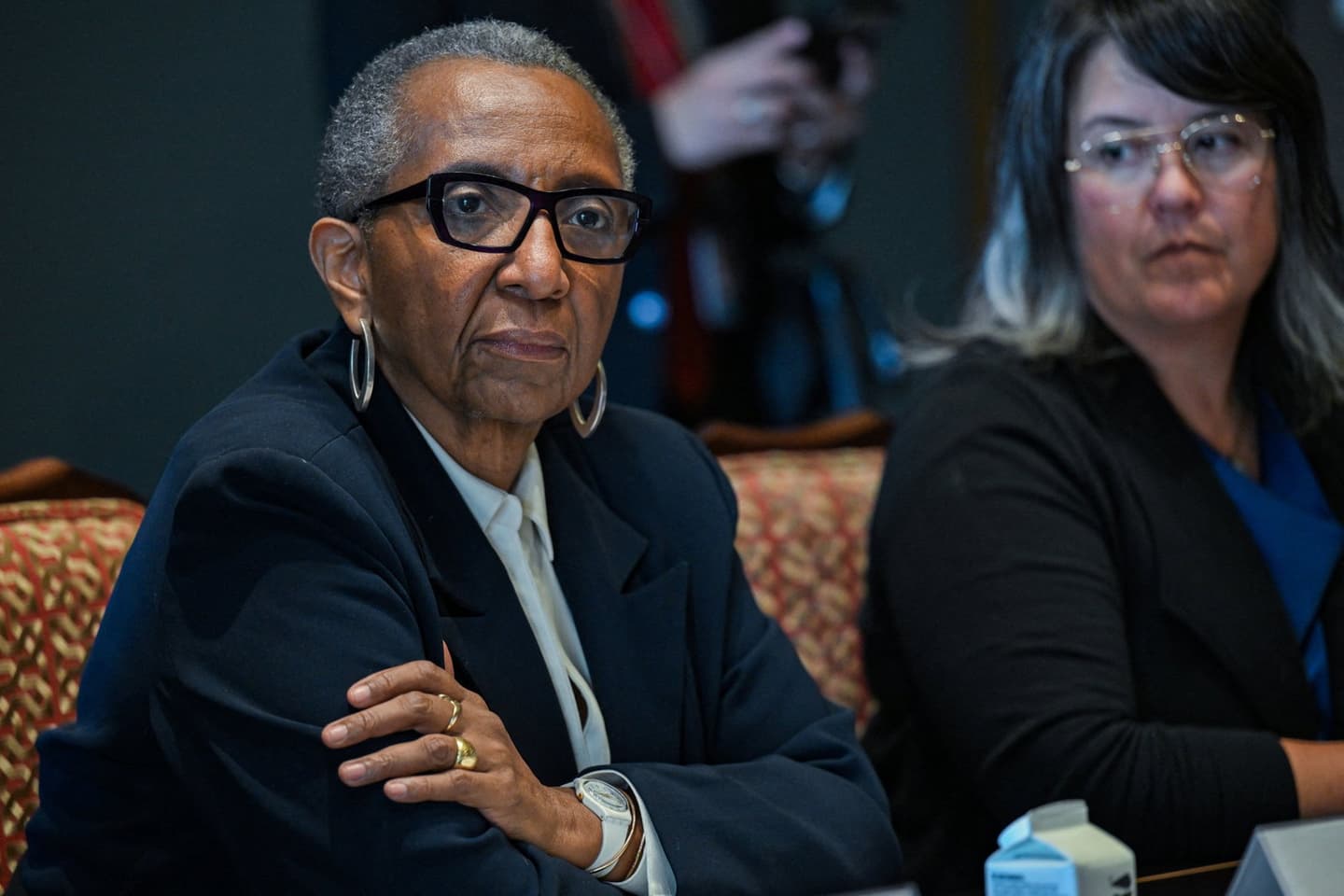
Annabelle Gordon/Reuters




What Happened
What Happened
Where Left Sources Focus
- Administrative Purge Context: Left-leaning sources frame the firing of NLRB member Gwynne Wilcox as part of a systematic government-wide downsizing effort. They emphasize reports that the administration is actively dismantling federal agencies and purging career officials to install political loyalists in key leadership positions.
- Operational Agency Consequences: Progressive reporting highlights the functional consequences of Wilcox's removal, noting that it eliminated the NLRB's quorum and stalled scores of labor cases. Coverage also emphasizes the significance of her tenure as the first Black woman to serve on the board.
Where Center Sources Focus
- Legal Precedent Overturn: Center-leaning sources detail the Supreme Court's underlying legal shift, specifically the overturning of the 1935 Humphrey's Executor precedent. They explain how this decision facilitates a broader conservative push to strengthen presidential control over independent regulatory agencies.
- Procedural Legal History: Coverage chronicles the legal battle over Wilcox's firing, contrasting the district court's decision to uphold federal protections with the appellate court's 2-1 reversal. Reports frame these rulings as a key test of executive authority regarding independent agencies.
What's Largely Absent from Each Side
- Left sources rarely mention: Left-leaning sources rarely detail the specific historical legal context regarding the overturning of Humphrey's Executor. Center outlets emphasize this precedent to explain the constitutional mechanics behind the expansion of executive authority over independent agency leaders.
- Center sources rarely mention: Center sources largely omit the operational fallout of Wilcox's firing, such as the loss of the NLRB quorum and the resulting stall in labor cases. Left-leaning reports feature these functional consequences prominently to illustrate the real-world impact of the removal.
Rare Agreement
- Core Procedural Facts: Across the ideological spectrum, sources agree that the Supreme Court declined to hear Wilcox's appeal, effectively upholding a lower court ruling that confirmed the president's authority to fire the NLRB member as a valid exercise of executive power.
Timeline
October 19, 2026
High Court Declines Review: After the Supreme Court's June decision backing Trump in the Rebecca Slaughter case and overturning longstanding precedent, the justices on October 19, 2026 declined to hear Wilcox's appeal, leaving the lower-court outcome in favor of the president intact.
December 2025
Appeals Court Reverses Ruling: In December 2025, a 2-1 decision by the US Court of Appeals for the D.C. Circuit reversed the district court ruling against the president and the board later regained a quorum when the Senate confirmed two Trump nominees.
March 2025
District Court Upholds Protections: In March 2025, US District Judge Beryl Howell upheld a federal law protecting NLRB officials from being fired without cause, rejecting the administration's constitutional argument.
Summary by Ground AI
Sources
See All 16A varied selection of sources chosen by Ground to reflect the diversity of this story’s coverage.
Most Written About
The stories getting the most coverage from the last 24 hours



Timeline
October 19, 2026
High Court Declines Review: After the Supreme Court's June decision backing Trump in the Rebecca Slaughter case and overturning longstanding precedent, the justices on October 19, 2026 declined to hear Wilcox's appeal, leaving the lower-court outcome in favor of the president intact.
December 2025
Appeals Court Reverses Ruling: In December 2025, a 2-1 decision by the US Court of Appeals for the D.C. Circuit reversed the district court ruling against the president and the board later regained a quorum when the Senate confirmed two Trump nominees.
March 2025
District Court Upholds Protections: In March 2025, US District Judge Beryl Howell upheld a federal law protecting NLRB officials from being fired without cause, rejecting the administration's constitutional argument.


