US Sanctions International Criminal Court Chief Tomoko Akane of Japan
The Treasury Department froze her U.S. assets and cut off access to the financial system, while allowing transactions to wind down through Sept. 17.
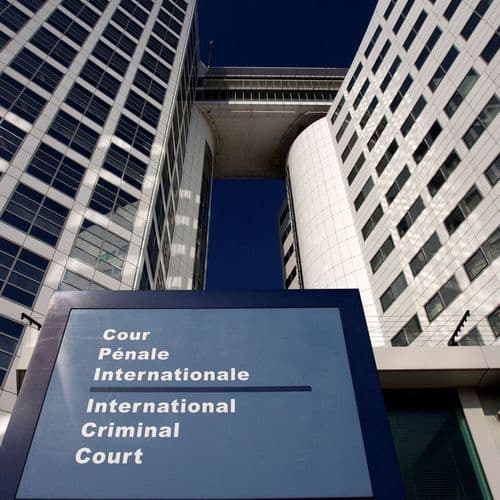
- On Tuesday, the United States imposed sanctions on International Criminal Court President Tomoko Akane of Japan and Senior Trial Lawyer Abdoulaye Seye of Senegal, while the Treasury Department authorized a wind-down of transactions involving Akane through September 17.
- Secretary of State Marco Rubio announced the move as part of a campaign to "dismantle" the court, accusing the International Criminal Court of investigating officials from countries that have not consented to its jurisdiction, including the United States and Israel.
- These designations include asset freezes and travel bans, following arrest warrants the court issued for Israeli Prime Minister Benjamin Netanyahu and former defense minister Yoav Gallant. The administration previously sanctioned at least 11 other ICC officials.
- Advocacy groups, including Human Rights Watch, sued the administration earlier this month, arguing the sanctions hinder efforts to hold war crimes perpetrators accountable, while Venezuela and Chad announced decisions to withdraw from the court following the U.S. pressure campaign.
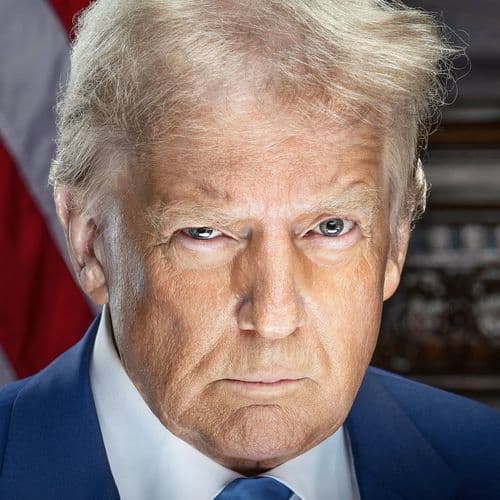
- Washington expects more nations to reject the court's authority, threatening "increased scrutiny" against those that do not, as the Trump administration maintains the ICC is a "corrupt and fatally politicized" body that threatens American sovereignty.
38 Articles
38 Articles

Trump admin sanctions ICC president, senior trial lawyer
The Trump administration imposed sanctions on Tuesday against the president of the International Criminal Court and a senior trial lawyer, escalating its campaign against the Hague-based tribunal over its investigations of Israeli and U.S. officials.ICC President Tomoko Akane of Japan and Abdoulaye Seye of Senegal were designated for sanctions because they “have directly engaged in efforts by the ICC to investigate, arrest, detain or prosecute o…

Washington launched last month a major diplomatic offensive against the ICC, accusing it of "threating" the Americans and calling on its partners to withdraw from it.

Sanctions for magistrates, threats to the institution and pressure on Member States: in a year and a half the White House has widened the front of the confrontation with The Hague
 La Razón

It marks a new step within Trump’s anticipated campaign to dismantle the court

Washington does not adhere to the international treaty establishing the ICC, and in particular blames him for the arrest warrants issued against the Israeli Prime Minister, Benyamin Netanyahu.


US sanctions International Criminal Court chief Tomoko Akane of Japan
Washington also slapped sanctions on ICC Senior Trial Lawyer Abdoulaye Seye of Senegal in the Trump administration's latest salvo against The Hague-based court. "These individuals have directly engaged in efforts by the ICC to investigate, arrest, detain, or prosecute officials whose government has not consented to ICC jurisdiction," US Secretary of State Marco Rubio said in a statement. Established in 2002, the ICC prosecutes individuals accuse…
Coverage Details
Bias Distribution
- 41% of the sources lean Right


Factuality
To view factuality data please Upgrade to Premium