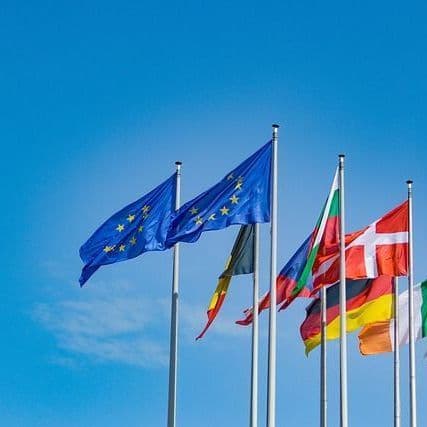
The Collapse of UN Climate Talks, over Fossil Fuels, Was Years in the Making
Draft text encouraged scaling up carbon removal, a sticking point, and the next round is set for Ethiopia next year.
- On Sunday, the United Nations COP31 climate conference in Turkey concluded without an overall agreement, failing to address the climate crisis amid frequent extreme weather events.
- Major oil producers Saudi Arabia and Russia, along with coal users China and India, made reaching a roadmap to phase out fossil fuels nearly impossible during negotiations.
- Carbon removal technologies capture less than 1% of the estimated 60 billion tons of global greenhouse gases produced annually. Panama's Minister of Environment Juan Carlos Navarro said the process was being "held hostage by the petroleum mafia."
- United Nations Secretary-General António Guterres criticized the outcome, stating "emissions remain far too high" and warning that "every delay makes our task harder and more costly."
- The U.N. climate process faces uncertain prospects as talks shift to Ethiopia next year, particularly with the United States absent following the Trump administration's withdrawal from climate negotiations.
17 Articles
17 Articles
 The Washington Post


The collapse of UN climate talks, over fossil fuels, was years in the making
Going into this year’s U.N. climate talks in Turkey, expectations were notably low

At a time when climate change is the critical issue, the UN climate talks have collapsed. They ended without an agreement and without any commitment to action. Fiji’s climate minister put it right: Fossil fuel producers “are always united.” The post UN Climate Summit: Why the negotiations collapsed – The fossil fuel lobby is the winner appeared first on in.gr.

For the first time since the Copenhagen conference in 2009, that is, 17 years later, the UN climate negotiations (COP 31) collapsed. The geopolitical tensions that were accumulating here… Historic defeat at the climate summit: From the “end of fossil fuels” to “drill, baby, drill” - ΙΝΑΦΤΕΜΟΠΟΡΙΚΙ
Coverage Details
Bias Distribution
- 56% of the sources lean Left


Factuality
To view factuality data please Upgrade to Premium