Record Heat and Drought Make This Year's Champagne Stronger
- France's National Origin and Quality Institute authorized a one-off exemption to increase the alcohol limit for Champagne to 15% this year, responding to high sugar levels in grapes following record-breaking heatwaves.
- The 2026 growing season saw five heatwaves and an exceptionally early harvest, leaving grapes unusually rich in sugar that converts to higher alcohol during fermentation.
- A Comite Champagne spokeswoman told the BBC that only a small number of wines reached around 13.1% or 13.2%, with most producers blending harvests to keep alcohol below 12%.
- Didier Gimonnet, a third-generation producer in Cuis, warned that Champagne at 14% or 15% alcohol "will put a lot of people off," while Jane Anson noted buyers increasingly prefer lower-alcohol wines.
- Maxime Toubart, the co-chair of the Comite Champagne, said this unusual harvest will "probably become the norm in 10 to 15 years," as the 2026 vintage will not hit shelves until 2028.
48 Articles
48 Articles

Five heat waves, intense frost and an early flowering: the weather is confusing the harvest in French Champagne. However, the grapes are of special quality this year, it is said.

In Burgundy, I saw and felt the heat that is changing French wine forever

France Has Increased the Limit of Alcohol Allowed in Champagne. Record Heat Waves Have Altered Crops
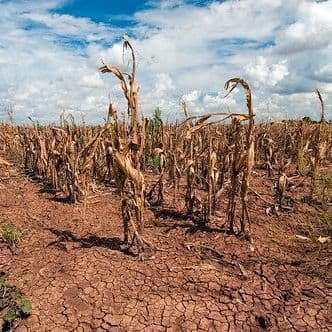
French champagne producers were allowed to temporarily produce wines with a content of up to 15% alcohol, compared to the usual limit of 13%, after the record heat and drought of this summer led to an unusually high concentration of sugar in grapes.

The extreme heat and drought produced grapes with extremely high sugar levels, which affects the fermentation process. The post How heat waves make champagne stronger appeared first on in.gr.

Due to the heat, the harvest in the Champagne region had to start historically early this year.

This year's grape harvest brings with it a special feature for champagne producers. The luxury drink has more alcohol.
Coverage Details
Bias Distribution
- 54% of the sources lean Left


Factuality
To view factuality data please Upgrade to Premium