Published • loading... • Updated
Quantum Computing Has Everything to Take Off – but Not Now
Summary by braziljournal.com
 This story is only covered by news sources that have yet to be evaluated by the independent media monitoring agencies we use to assess the quality and reliability of news outlets on our platform. Learn more here.
1 Articles
1 Articles

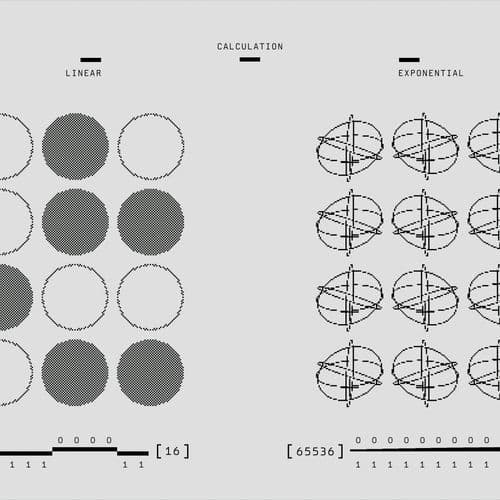
In conventional computers, bits can be only ‘zero' and ‘one'. Already in the quantum universe, qubits can be ‘zero' and ‘one' at the same time, creating entanglements of combinations that dramatically increase processing capacity. Quantum computing has everything to be the next frontier in algorithm evolution – but technology is still extremely difficult to apply on a large scale and, for now, the big problem is the instability and sensitivity o…
Coverage Details
Total News Sources1
Leaning Left0Leaning Right0Center0Last UpdatedBias DistributionNo sources with tracked biases.
Bias Distribution
- There is no tracked Bias information for the sources covering this story.

Factuality
To view factuality data please Upgrade to Premium