Kansans warned about increased rabies cases in bats and other animals
CDC data show rabies-related inquiries rose 17% and vaccine use climbed 33% as Kansas officials urge providers to assess exposure risks first.
- The Kansas Department of Health and Environment issued an advisory Tuesday urging health care providers to perform rabies risk assessments amid increased rabid animal encounters, while the Centers for Disease Control and Prevention released a similar nationwide advisory last week.
- Pharmacy data from September 2, 2026, shows rabies vaccine and immunoglobulin utilization increased by 33% and 76% compared to last year, while the CDC received 17% more rabies-related inquiries from July through August.
- KDHE data updated in June identified nine positive rabies cases in Kansas, including six in skunks, though no human cases occurred this year; the agency reminds clinicians that assessments must consider wound severity and animal behavior before starting treatment.
- Each year, 1.4 million Americans receive healthcare for possible rabies exposure, with 100,000 receiving post-exposure prophylaxis, and the agency received reports from at least eight state health departments regarding increased assessment usage.
- Rabies is nearly 100% fatal if treatment is not administered, the CDC advisory said. Most cases occur after wild animal exposures, making careful prevention efforts essential for public health safety across the United States.
12 Articles
12 Articles


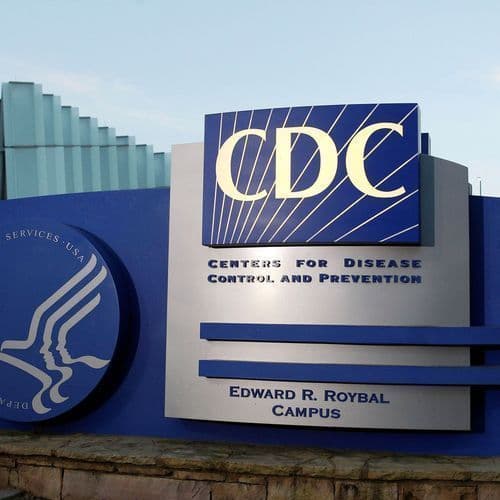
Health authorities warn Kansasers to be alert to the increase in the number of bats carrying rabies. (Photo of Centers for Disease Control and Prevention)Translated by Claudia Amaro. TOPEKA — State health authorities warned Kansasers to be alert to an increase in encounters with rabid animals, mainly bats. Kansas's Department of Health and Environment issued a notice on Tuesday urging health care providers to be aware of the importance of conduc…


Kansans warned about increased rabies cases in bats and other animals
TOPEKA — State health authorities warned Kansans to be aware of an increase in encounters with animals that carry rabies, primarily bats. The Kansas Department of Health and Environment issued an advisory Tuesday urging health care providers to be aware…


Health authorities warn Kansasers to be alert to the increase in the number of bats carrying rabies. (Photo of Centers for Disease Control and Prevention)Translated by Claudia Amaro. TOPEKA — State health authorities warned Kansasers to be alert to an increase in encounters with rabid animals, mainly bats. Kansas's Department of Health and Environment issued a notice on Tuesday urging health care providers to be aware of the importance of conduc…
Coverage Details
Bias Distribution
- 57% of the sources are Center


Factuality
To view factuality data please Upgrade to Premium