Israel Votes in First Election Since October 7 Attack
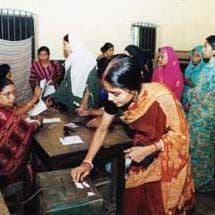
- On Tuesday, October 27, 2026, Israelis began voting in the first national election since the Hamas-led Oct. 7, 2023, attack, with 7.3 million eligible voters electing the 120-seat Knesset.
- Prime Minister Benjamin Netanyahu faces a referendum on his leadership as voters weigh accountability for Oct. 7 security failures and the multi-front wars that have defined his tenure since 2023.
- Recent polls indicate a competitive race between the Likud party and the centrist Yashar, led by former military chief Gadi Eisenkot, with neither bloc projected to secure the 61-seat majority.
- Coalition negotiations could last weeks or months, with analysts predicting potential deadlock that may leave Netanyahu as caretaker prime minister or force another national election early next year.
- Israel grapples with military conscription disputes and ongoing regional conflicts that will shape the next government's approach to national identity and the country's international standing.
605 Articles
605 Articles

The Israelis began voting on Tuesday for the first parliamentary elections since 7 October.


Israel's 2026 elections see an all-time high turnout of 44.9%
Israeli voters are turning out in record numbers for the 2026 Knesset elections, with turnout reaching 44.9% by 2 p.m., the highest in the country’s history, the Central Elections Committee announced. The post Israel's 2026 elections see an all-time high turnout of 44.9% appeared first on www.israelhayom.com.


As Israelis Turn Out to Vote in Record Numbers, Police Deals With Multiple Claims of Election Interference - Charisma Magazine Online
As Israelis head to polls in record numbers, the first reports of potential voter interference have also begun trickling in. The Central Elections Committee (CEC) announced that as of noon Tuesday, 31.5% of the eligible Israeli voting public had already cast ballots, the highest turnout since elections in 1973. The committee also reported that 30% […]
Coverage Details
Bias Distribution
- 35% of the sources lean Left


Factuality
To view factuality data please Upgrade to Premium