IEA Says No Going Back to Pre-Iran War's Energy Shock
The agency says security fears are pushing countries toward domestic energy sources, with renewables and nuclear gaining ground as coal remains a backup.
- On Thursday, the International Energy Agency published its annual World Energy Outlook, a flagship report providing critical analysis for more than 30 member countries navigating global energy shifts.
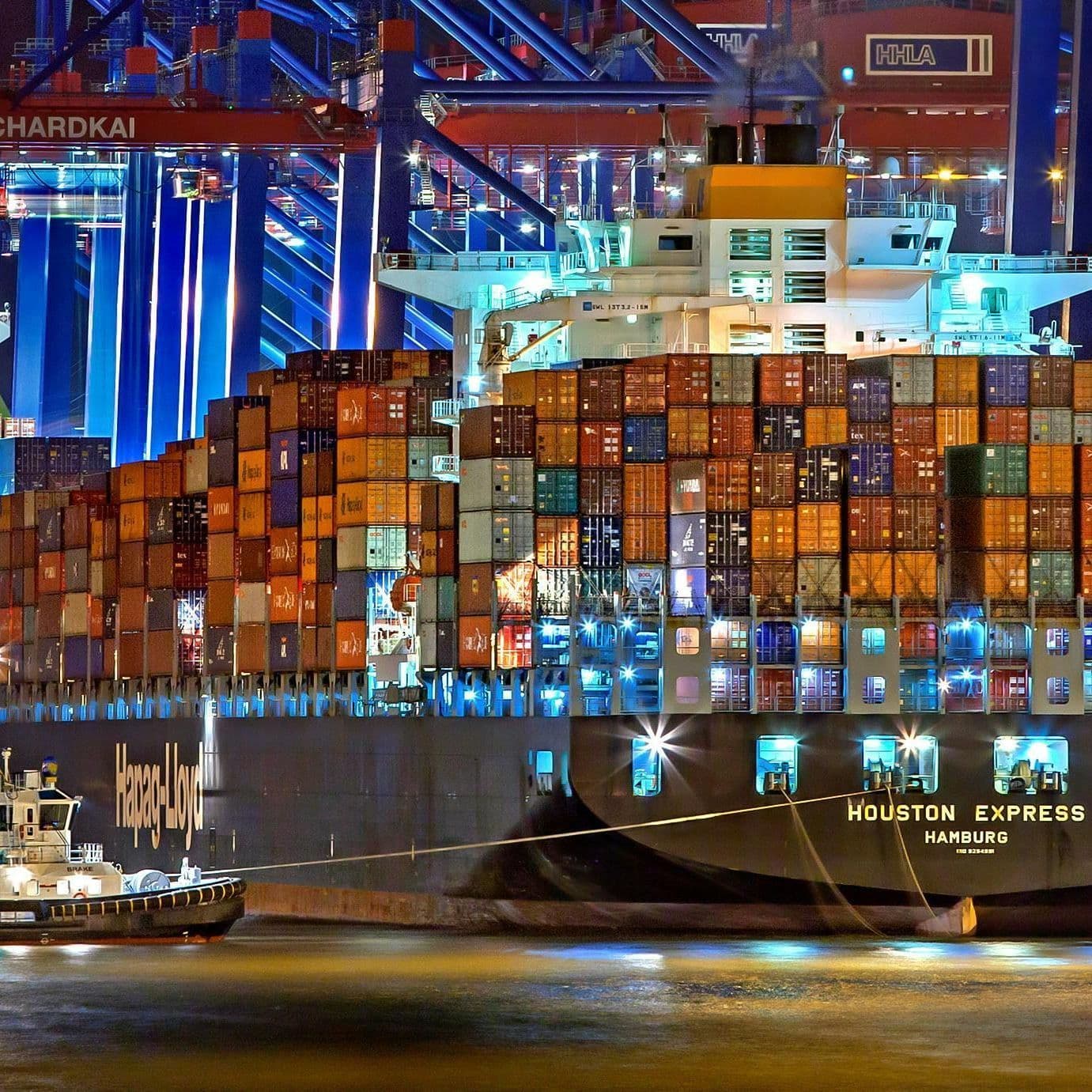
- Iran's war "delivered a huge shock to the system," according to the Paris-based IEA, causing daily oil flows through Hormuz to decline from 20 million barrels to under 2 million by 2035.
- China, already a highly electrified economy, may see its electrification grow from 32% last year to 43% by 2035. Turkey pushes at COP31 to increase global electricity consumption to 35% by 2035.
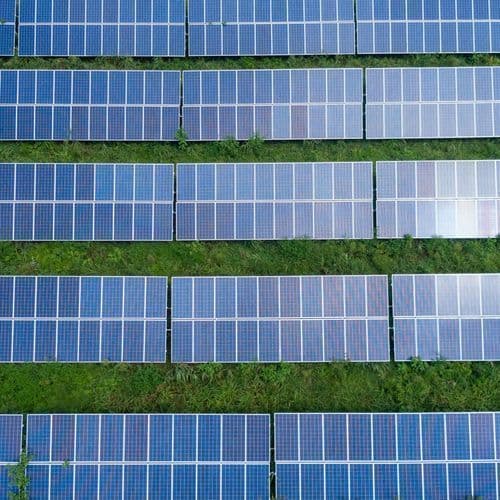
- Renewables and nuclear power are the "biggest beneficiaries" as nations prioritize energy security, according to The IEA. Cleetus, with the Union of Concerned Scientists, reinforced this, noting the crisis underscores reasons to accelerate clean energy transition.
- The world nears the 1.5 degrees Celsius warming limit, according to Annual United Nations reports. The Paris-based IEA warns the Iran war energy crisis will "leave lasting marks" on the global energy sector long-term.
13 Articles
13 Articles
 TVA Nouvelles
 MARINE & OCÉANS
The conflict in the Middle East will leave a "sustainable track" on the world of energy that will not return to the pre-crisis situation.


"The crisis in the Strait of Ormuz has created the greatest threat to energy security in history, largely overshadowing the magnitude of the oil crises of the 1970s," wrote IEA Executive Director Fatih Birol in the introduction to his annual report. In response to this "enormous shock," states are putting "the emphasis on diversification and resilience to protect themselves from future disruptions. Energy security and affordability are now at th…

The conflict in the Middle East will leave a "sustainable trace" on the world of energy that will not return to the pre-crisis situation, warns the International Energy Agency (IEA) in its reference report on Thursday.
Coverage Details
Bias Distribution
- 43% of the sources are Center


Factuality
To view factuality data please Upgrade to Premium