Italy Sends Hundreds of Soldiers to Milan for Protest, One of Many Planned Across Europe
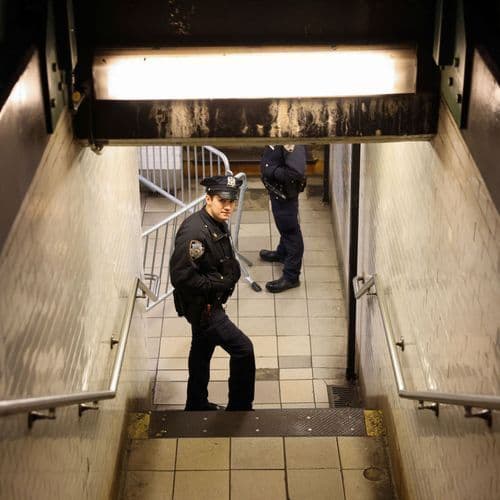
- On Saturday, Italy deployed 500 additional soldiers to Milan as the nation's fashion capital expected fresh protests, one week after looting and clashes with police.
- Last week's violence involved about 2,000 young protesters, a large number of whom were "naturalized, second-generation Italians," according to police; authorities arrested 45 people, 34 of them minors.
- Prime Minister Giorgia Meloni's government approved a security decree introducing a crime of "violent participation in a demonstration," while 500 soldiers were deployed to support about 5,000 police personnel.
- Security was also heightened in Rome, where authorities used drones and helicopters to "saturate both physical and virtual territory" while monitoring demonstrations like the right-wing student march "Unlock Everything."
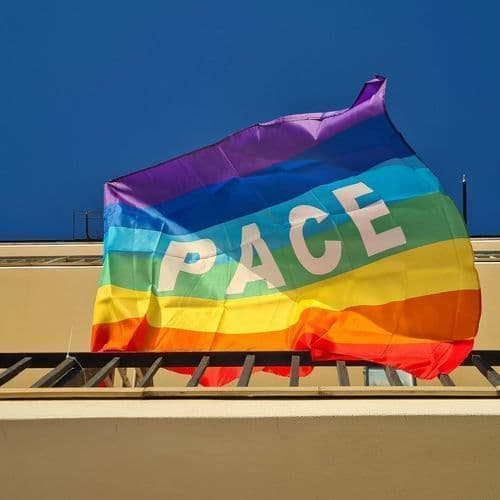
- These demonstrations occur amid a wave of protests regarding budget cuts and cost of living issues like housing; similar movements have emerged in other cities, including Lisbon where protesters are demanding affordable housing.
81 Articles
81 Articles


Protests Are Happening All Over Europe
Italy deployed soldiers to Milan as the nation expected fresh protests on Saturday, one week after looting and clashes with police. Premier Giorgia Meloni announced a raft of measures, including sending an additional 500 soldiers to Milan, and costing penalties for minors, who police said made up up a large part...

The Italian authorities deployed the army today in Milan due to the announced protests in that and several other cities in the country.


Like a large part of Europe, Italy faces a massive wave of protests on Saturday 24 October. Purchasing power in the dark, distress of a youth who feels abandoned but also angry at the government's policy of rearmament Meloni. The reasons for revolt and demonstrations are multiplying. Despite a drastically tough security arsenal, the evolution on the ground, especially in Rome and Milan, remains largely unpredictable.


Coverage Details
Bias Distribution
- 46% of the sources lean Left


Factuality
To view factuality data please Upgrade to Premium