How Soaring Bond Yields Pressure Big Economies Like the US, France
Fitch said higher borrowing costs are lifting debt burdens as 10-year yields in the world’s largest developed economies rose 81 basis points this year.
- On Wednesday in Bangkok, the International Monetary Fund urged advanced economies to immediately reduce government spending and cut deficits, warning that delays will make fiscal adjustments increasingly painful.
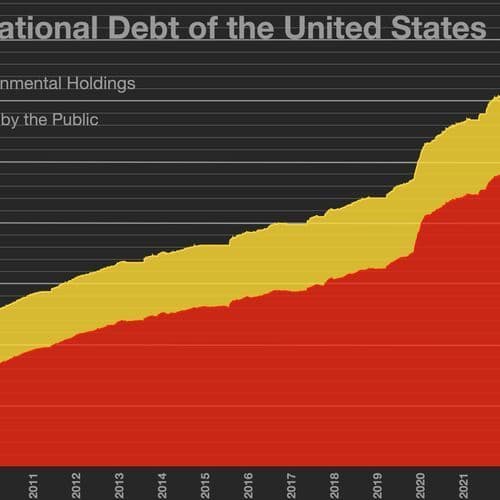
- Rising sovereign bond yields and high debt levels drive this pressure, with average public debt poised to hit 100 per cent of GDP, the highest level seen since World War Two.
- The Group of Seven economies saw 10-year government bond yields climb over 110 basis points since February, while US interest payments are projected to reach 5.3 per cent of GDP.
- "The fiscal results this year are worse than expected six months ago," Rodrigo Valdes, chief of the IMF's Fiscal Affairs department, told Reuters, urging immediate fiscal consolidation.
- Low-Income countries face heightened stress as interest payments consume over 15 per cent of tax revenues, prompting the IMF to advise these nations to strengthen tax systems and improve spending efficiency.
115 Articles
115 Articles

Government bond yields are rising sharply in advanced industrial economies, while the group's aggregate public debt is expected to exceed $75 trillion this year, Fitch Ratings warns. According to the rating agency, 10-year bond yields in the ten largest advanced economies have risen by an average of 81 basis points since the beginning of the year, reaching multi-decade highs in many places. The biggest increases were recorded in countries with t…

IMF Sounds Alarm: Surging Bond Yields and Near-Record Debt Force Hard Choices on Washington and Beijing
The IMF warns that global public debt nears 100% of GDP amid surging bond yields. Growth from AI cannot offset the need for fiscal tightening in the US and China. Higher interest costs threaten budgets and widen global divergences.

The International Monetary Fund calls on industrialised countries to reduce their budget deficits and reduce debt. Rising interest rates and high spending increasingly restricted the financial leeway of the states.

Shafaq News – Follow-up: The International Monetary Fund (IMF) issued an urgent appeal on Wednesday to advanced economies and others to reduce government spending, deficits, and debt levels, warning that further delays will make the task more difficult in the coming years. Rodrigo Valdez, head of the IMF's Fiscal Affairs Department, said in a statement reported by CNBC Arabia that rising sovereign bond yields are increasing fiscal pressures at a…

In an article published by the International Monetary Fund (IMF), economists say that high monetary policy rates, when the debt is already high, cause a greater deterioration in the fiscal deficits and the very trajectory of government debt. According to IMF calculations, the average effective cost of interest paid by governments to finance should rise from 2.3% in 2021 to 3.7% in 2031.

Advanced economies are set to run their highest budget deficits since the COVID-19 pandemic this year. According to a new forecast from the International Monetary Fund, net borrowing will average 5.2 percent of gross domestic product, the highest since 2021. The Fund has therefore urged governments to repair public finances as soon as possible.
Coverage Details
Bias Distribution
- 52% of the sources are Center


Factuality
To view factuality data please Upgrade to Premium