Strange Galaxies in the Early Universe Were Shaped by Weird Stars
The 29-star Hubble sample also found that more than a quarter of the stars move unusually fast or slow in their host galaxies.
9 Articles
9 Articles

These massive stars could explain Webb’s strangest galaxies
Hubble observations of massive stars in metal-poor dwarf galaxies are revealing clues to why the early universe looks so unusual. Researchers found that stellar winds weaken sharply at extremely low metallicities, potentially allowing massive stars to retain more material and evolve in unexpected ways. The team also found large differences in iron abundance, a key ingredient in stellar winds and supernovae.

Strange Galaxies in the Early Universe Were Shaped by Weird Stars
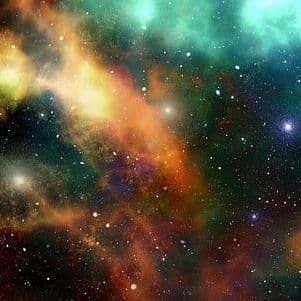
Galaxies and their stars in the early Universe look a lot weirder than those we see today, and astronomers want to know why. A team of researchers at the University of Utah decided to survey certain stars in nearby galaxies as analogs of those that existed when the Universe was still in its infancy. The survey, called the "Treasury of Extremely Metal-Poor O Stars (TEMPOS), used the ultraviolet (UV) light streaming from those relatively close-by …


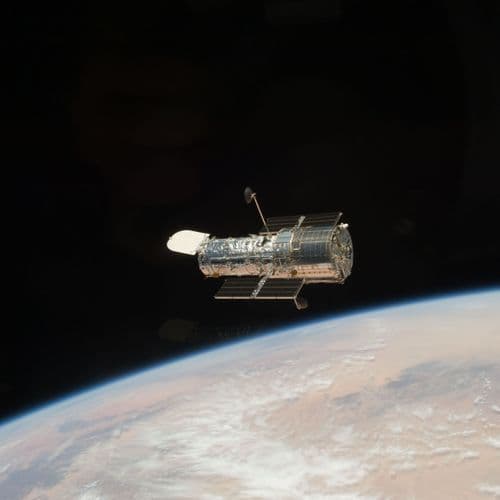
Astronomers used the Hubble Space Telescope as part of the TEMPOS project to study massive, metal-poor stars in nearby dwarf galaxies, ...

A study conducted by researchers from the University of Utah investigates metallic stars in nearby galaxies, seeking to understand how these stars influence the formation and evolution of galaxies in the primitive universe.
Coverage Details
Bias Distribution
- 100% of the sources are Center


Factuality
To view factuality data please Upgrade to Premium