Published • loading... • Updated
Explainer: How the European Union Works and How It’s Changing
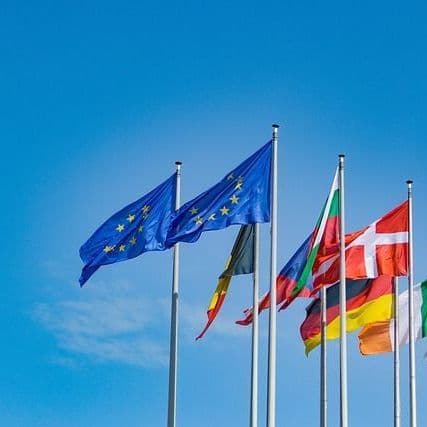
The bloc’s 27 members share laws, trade rules and foreign policy, while critics say its complex system can slow decisions and weaken national control.
- On Thursday, September 17, 2026, Prime Minister Mark Carney embraced European Commission President Ursula von der Leyen in Strasbourg, France, after addressing the European Parliament. The EU remains a complex assembly of countries playing an increasingly important global role.
- The EU operates through three institutions—the European Commission, Parliament, and European Council—evolving from a 1952 project by France and West Germany to pool coal and steel resources. This foundation expanded over decades to include more member countries and influence.
- Supporters argue the bloc ensures peace and prosperity for 450 million consumers, yet University of Guelph political scientist Edward Koning said, "One of the main struggles that the European Union has had since its inception is to communicate with its citizens."
- Critics argue the bloc strips countries of autonomy and imposes costly regulations. The 2009 eurozone crisis caused huge friction, with Greece and Ireland feeling burdened by Brussels-imposed policies while Germany and the Netherlands resented paying for wasteful spending.
- Amid Russian threats and American coercion, the EU is playing a larger role in coordinating defense and negotiating trade. Prime Minister Carney has spent the past year attempting to bridge the EU and the Pacific Rim trade bloc, CPTPP.
Insights by Ground AI
19 Articles
19 Articles
 Ckpg Today
+3 Reposted by 3 other sources


Explainer: How the European Union works and how it’s changing
OTTAWA — The European Union is a complex assembly of countries that is taking on an increasingly important role for the world and for Canadian interests. Here's a look at what the EU is and how it works. Where did it come from? In the wake of two devas...
·Prince George, Canada
Read Full Article


Coverage Details
Total News Sources19
Leaning Left11Leaning Right0Center8Last UpdatedBias Distribution58% Left
Bias Distribution
- 58% of the sources lean Left
58% Left
L 58%
C 42%


Factuality
To view factuality data please Upgrade to Premium