Europe’s Winter of Revolt
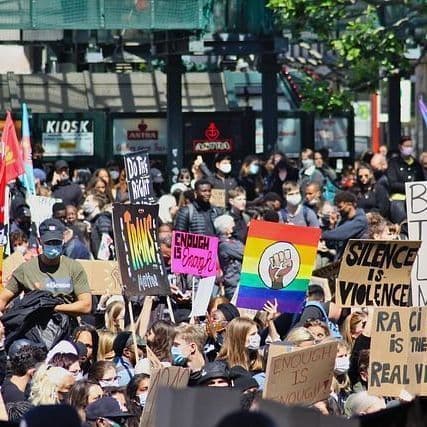
Rising energy costs and housing pressures are driving unrest as more than 3,600 demonstrations hit Europe in the first 19 days of October, ACLED said.
- Over 3,600 demonstrations rocked Europe in the first 19 days of October, with France accounting for more than half of all recorded protests as citizens across the continent demand action on stagnating economies and rising costs.
- Rising energy prices and inflation fuel pain at the pump, while borrowing costs climb in France, Italy, Spain, and Greece, forcing governments to redirect funds from schools and housing toward debt repayment.
- France's interior faces heightened tensions, with 90% of riots recorded there, while social media platforms including TikTok have amplified the unrest and protests in Spain and Italy mirror French grievances over housing prices and low wages.
- Italian Prime Minister Giorgia Meloni deployed 500 troops to defend Milan against supply chain blockades, while President Emmanuel Macron summoned ministers to prevent further chaos as leaders face mounting pressure to restore order.
- As Austrian diplomat Klemens von Metternich quipped, "When France sneezes, Europe catches a cold." With temperatures falling and energy reserves low, officials fear unrest will deteriorate further this winter, complicating upcoming elections across the continent.
12 Articles
12 Articles

Europe is furious. Rents are skyrocketing. Energy prices are rising, which leads to more and more expensive fuel at gas stations and fuels inflation. Economic growth is stagnating. Borrowing costs are rising in France, Italy, Spain and Greece, meaning that money that could have been used to rebuild schools, subsidize housing or compensate drought-stricken farmers must now be spent on repaying debts to creditors.

Europe is entering a winter marked by social tensions: prices are rising, housing is becoming increasingly inaccessible, and economies are stagnating. Protests are spreading from students and tenants to farmers and transporters, while governments have limited resources to respond to discontent. In this climate, populist parties are trying to gain ground before major electoral clashes, says Politico.


The protests in Europe may increase in the winter of 2026 due to the high cost of living and rising energy prices, and the policy explains how far-right parties try to take advantage of them.


The paper Politico, citing experts, predicted new waves of unrest in the European Union in the coming winter due to rising electricity prices and political instability. In autumn and winter, European countries may face waves of major protests against citizens' dissatisfaction with living costs and fuel prices, and transmits to RIA News with reference to Politico. "Experts warn that the situation will only worsen, as winter electricity prices are…
Coverage Details
Bias Distribution
- 43% of the sources are Center


Factuality
To view factuality data please Upgrade to Premium