Could This Cookie Made From Waste and Plastic Help Food Crisis?
The process converts more than 50% of waste carbon into food ingredients and is designed for use in resource-limited settings, researchers said.
- On Monday, Southern Illinois University researchers presented a process at the American Chemical Society meeting in Chicago for converting plastic and crop waste into 3D-printed cookies called 'Bites.'
- Originating from NASA's Deep Space Food Challenge, the project addresses plastic pollution while tackling projected global food demand increases of 35% to 56% by 2050.
- The team employs oxidative hydrothermal dissolution to break waste into carbon building blocks, which reprogrammed yeasts then convert into proteins and flavorings before 3D printing.
- Microbiologist Lahiru Jayakody noted the team is conducting simulated digestive studies and awaiting institutional approval before beginning human taste tests.
- Future iterations aim to achieve nearly 100 percent carbon conversion efficiency, with potential applications for meat and milk alternatives in space or disaster relief environments.
16 Articles
16 Articles

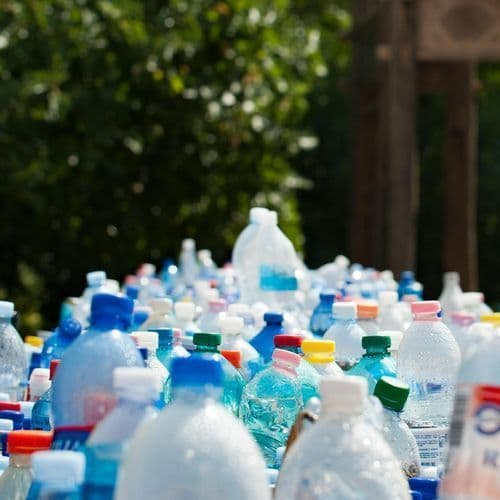
Plastic waste still often ends up in combustion. US researchers now show an alternative way: they feed PET bottles to special microorganisms in the laboratory. They produce a nutrient mass from which cookies can be baked.


A plastic bottle can have a second life... and end up on the plate. It looks like the beginning of a joke of bad taste, but it's science – and good. A team of researchers from Southern Illinois University (SIU) has developed a technology capable of transforming plastic waste and agricultural waste into protein-rich food ingredients. The goal? Create a new way to produce sustainable food, able to feed people in extreme scenarios, from areas affec…

Genetically modified fungi use substances from plastic bottles and plant biomass into edible raw materials. The post New technology turns plastic bottles and straws into vanilla-flavored cookies appeared first on in.gr.
Coverage Details
Bias Distribution
- 58% of the sources are Center


Factuality
To view factuality data please Upgrade to Premium