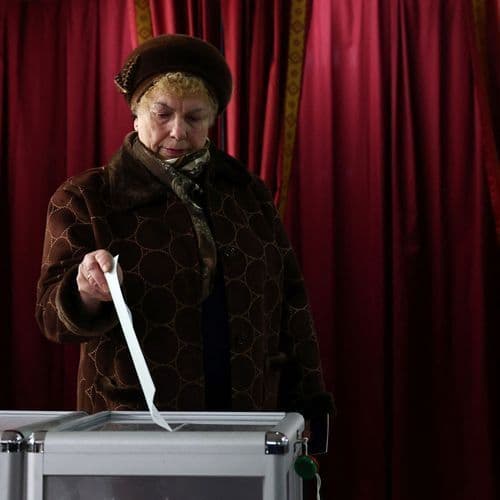
Brazil Abstention 21.08%, First-Round High Since 1998
The electoral court said 33.4 million voters stayed home, while blank and null ballots totaled 4.77% and a runoff now looms.
- The Superior Electoral Court reported a 21.08% abstention rate in Brazil's first-round presidential election on Sunday, with 33.4 million of 158.7 million registered voters not casting ballots at 99.87% of sections counted.
- This rate represents the highest abstention in a presidential first round since 1998, surpassing 2022's 20.95%. Voting remains compulsory in Brazil for most citizens aged 18 to 70.
- Among 125.1 million votes cast, 2.30 million were blank ballots and 3.67 million were null , together accounting for 4.77% of all ballots.
- Bolsonaro and President Lula face a runoff on Sunday 25 October to decide the presidency. The 33.4 million abstainers outnumber the gap between the two finalists by more than 14 to 1.
- Investors in Brazil monitor turnout closely, as participation shifts could determine the outcome between Bolsonaro and President Lula. The 6.0 million abstainers and invalid ballots remain a critical unknown for both campaigns.
55 Articles
55 Articles

Brazil election: Authoritarian right gain an edge, fueled by voter apathy and discontent
The far-right bubble that has seen populist rightist figures elected across Latin America spilled over and flooded the ballot box in Brazil’s general elections held on Oct. 4, 2026 – fueled by a discontented and distrustful public. In spite of voting being mandatory in the country for literate citizens aged 18 to 70, a wave of disengagement swept across 33.4 million voters who did not cast a ballot — 21% of the electorate. It was the highest abs…

Analysts claim that institutional wear and tear, the advance of ultra-right in Congress, and algorithms explain abstentionism.

The first round of the elections in Brazil ended with the advantage of Bolsonaro, who cashed 47,03% of the votes, while Lula stopped at 45.16%. Therefore, to elect the next President of Brazil, it will be necessary to vote, scheduled for 25 October. But the real interesting data of this electoral round concerns [...] The article Astensionismo record in Brazil for the presidential elections, but voting is mandatory: this is what happens to those …


See the latest UOL news in a new format to consume content on Flash. Configure videos and stories about what's going on in the world.

Electors who stop voting, do not justify their absence and do not pay the electoral fine may suffer a number of restrictions provided for in the Electoral Code. According to the Supreme Electoral Court (TSE), the irregular situation may prevent the voter from practicing certain civil and administrative acts, including the registration in competitions for office or public office.
Coverage Details
Bias Distribution
- 50% of the sources lean Left


Factuality
To view factuality data please Upgrade to Premium