Asian Shares Gain, with South Korea's Kospi up 6%, After the US Treasury Expands Its Debt Buybacks
South Korean tech stocks led gains as the U.S. Treasury said it would at least double longer-term debt purchases, easing bond yields.
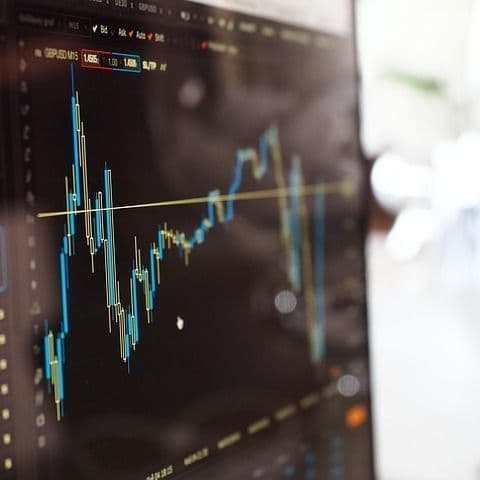
- On Thursday, Asian shares advanced, tracking Wall Street gains, after the U.S. Treasury Department announced it would at least double planned purchases of longer-term government debt.
- Yields had risen in recent months over inflation concerns stemming from the war in Iran and ballooning government debt, pressuring share prices amid market volatility.
- Samsung Electronics climbed 9.7% and SK Hynix surged 14.1% after announcing a share buyback plan, lifting the Kospi to 6.1% gains; Japan's Nikkei 225 added 1.3%.
- Treasury bond yields fell as bond prices rose, with the 30-year Treasury yield dropping to 5.18% on Thursday from 5.28% on Tuesday, easing market pressure.
- Elsewhere in the region, Hong Kong's Hang Seng rose 1.1% and Australia's S&P/ASX 200 added 0.3%, while Brent crude gained 0.3% to $91.90 a barrel amid U.S.-Iran negotiations.
22 Articles
22 Articles

Asian markets rise as falling US yields and tech surge fuel regional g
Asian stock markets traded mostly higher on Thursday, following overnight gains on Wall Street as global bond yields pulled back. Yields eased after the US Treasury announced plans to more than double its buybacks of

The US Treasury Department's surprise decision to at least double its long-term debt repurchases gave a boost to markets

Asian shares advance as US Treasury buybacks ease bond yield pressure
Asian markets climbed after the US Treasury expanded planned long-term debt buybacks and pushed yields lower. The move calmed investors across equities, though firmer oil prices kept geopolitical worries in view.
 Associated Press News


Asian shares gain, with South Korea's Kospi up 6%, after the US Treasury expands its debt buybacks
Shares are mostly higher in Asia, with South Korea’s benchmark Kospi rebounding more than 6%. U.S. futures also were trading higher early Thursday after the U.S.

Coverage Details
Bias Distribution
- 48% of the sources lean Left


Factuality
To view factuality data please Upgrade to Premium