Published • loading... • Updated
A molecule’s ‘handedness’ can determine whether it’s an effective drug – 4 examples of pharmaceuticals where chirality matters
Chemists say one mirror-image form can heal while the other can fail or harm, and the Nobel Prize recognized work showing how that preference emerges.
Summary by The Conversation
3 Articles
3 Articles
 The Conversation
+2 Reposted by 2 other sources


A molecule’s ‘handedness’ can determine whether it’s an effective drug – 4 examples of pharmaceuticals where chirality matters
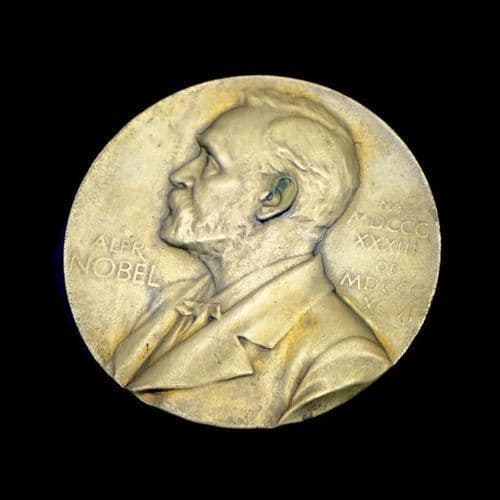
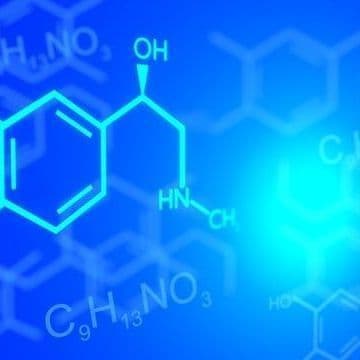
Henri Kagan of France and Kenso Soai from Japan won the 2026 Nobel Prize in chemistry for their work on chiral molecules. Jonathan Nackstrand/AFP via Getty ImagesThe 2026 Nobel Prize in chemistry concerns a property called chirality, which may sound like an abstract science term but is actually all around you, all the time. Picture a spiral galaxy rotating in space, or follow the outline of a snail’s shell as it spirals clockwise to the tip. In …
·Boston, United States
Read Full ArticleCoverage Details
Total News Sources3
Leaning Left1Leaning Right0Center1Last UpdatedBias Distribution50% Left, 50% Center
Bias Distribution
- 50% of the sources lean Left, 50% of the sources are Center
50% Center
L 50%
C 50%


Factuality
To view factuality data please Upgrade to Premium