Published • loading... • Updated
A Black Hole Vamps a Star and Creates Fake Supernovas
Summary by Génération-NT
 This story is only covered by news sources that have yet to be evaluated by the independent media monitoring agencies we use to assess the quality and reliability of news outlets on our platform. Learn more here.
3 Articles
3 Articles

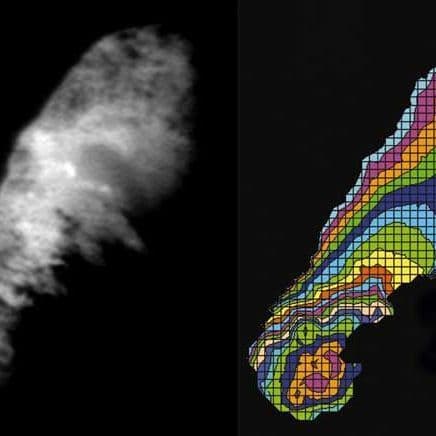
A star produces what looks like a supernova, i.e. an explosive end... then starts again a few months later. Since 2012, astronomers have recorded at least 27 sudden increases in brightness from AT 2016blu. They occur about all of them...

Sometimes massive stars can mimic the behavior of black holes, and because of this, astronomers are wrong about the nature of binary systems.

The Chandra Space Telescope has pierced the mystery of the 2016 AT blu star. In orbit around a black hole or a neutron star, this blue light variable undergoes massive material removals every 113 days. This will mimic supernova explosions.
Coverage Details
Total News Sources3
Leaning Left0Leaning Right0Center0Last UpdatedBias DistributionNo sources with tracked biases.
Bias Distribution
- There is no tracked Bias information for the sources covering this story.


Factuality
To view factuality data please Upgrade to Premium