Here’s What Could Follow Israel’s Bitterly Contested Elections
7 Articles
7 Articles


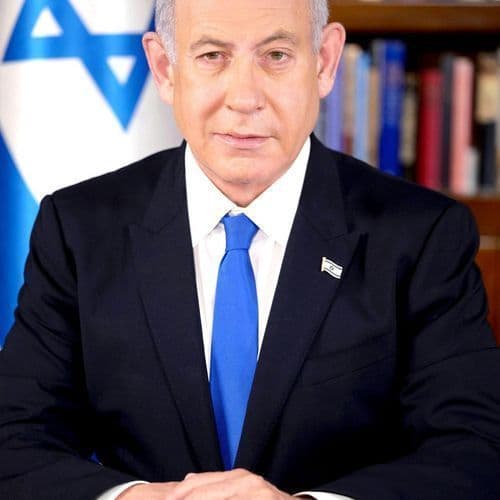
After the parliamentary election in Israel, a difficult formation of government emerges. Both Prime Minister Netanyahu and the most important opposition politician Eisenkot announced that they would form a new government. What is the next political situation in Israel? Here are four scenarios.

AFTER Israel's elections, neither Netanyahu's nor Eisenkot's bloc have a majority to form a government. Four scenarios are analyzed, and new elections appear to be the most likely outcome of the political deadlock.

Netanyahu or Eisenkot? The coalition scenarios that could shape Israel's future
Israel's high voter turnout reflects a strong desire for political change, but Benjamin Netanyahu remains in contention to form the next government. Shalva Weil, Senior Researcher at Hebrew University of Jerusalem, says the election outcome will depend on coalition arithmetic. If Netanyahu secures a majority, his approach towards Gaza and warm ties with India are likely to continue. However, if he fails to form a coalition, opposition leader Eis…

The absence of party autonomy is the norm in the Israeli system, the crucial thing is whether a government can be formed that will receive the confidence of the Knesset - Turnout by 6:00 PM reached 66.7%, the highest percentage for this time since 1973

The elections in Israel are leading to a political deadlock, as neither Netanyahu nor his main opponent, Eisenkot, appear to secure the required majority to form a government.
Coverage Details
Bias Distribution
- 40% of the sources are Center, 40% of the sources lean Right


Factuality
To view factuality data please Upgrade to Premium