Trump, Putin and Xi Issue Joint Peace Declaration Without Binding Terms
China
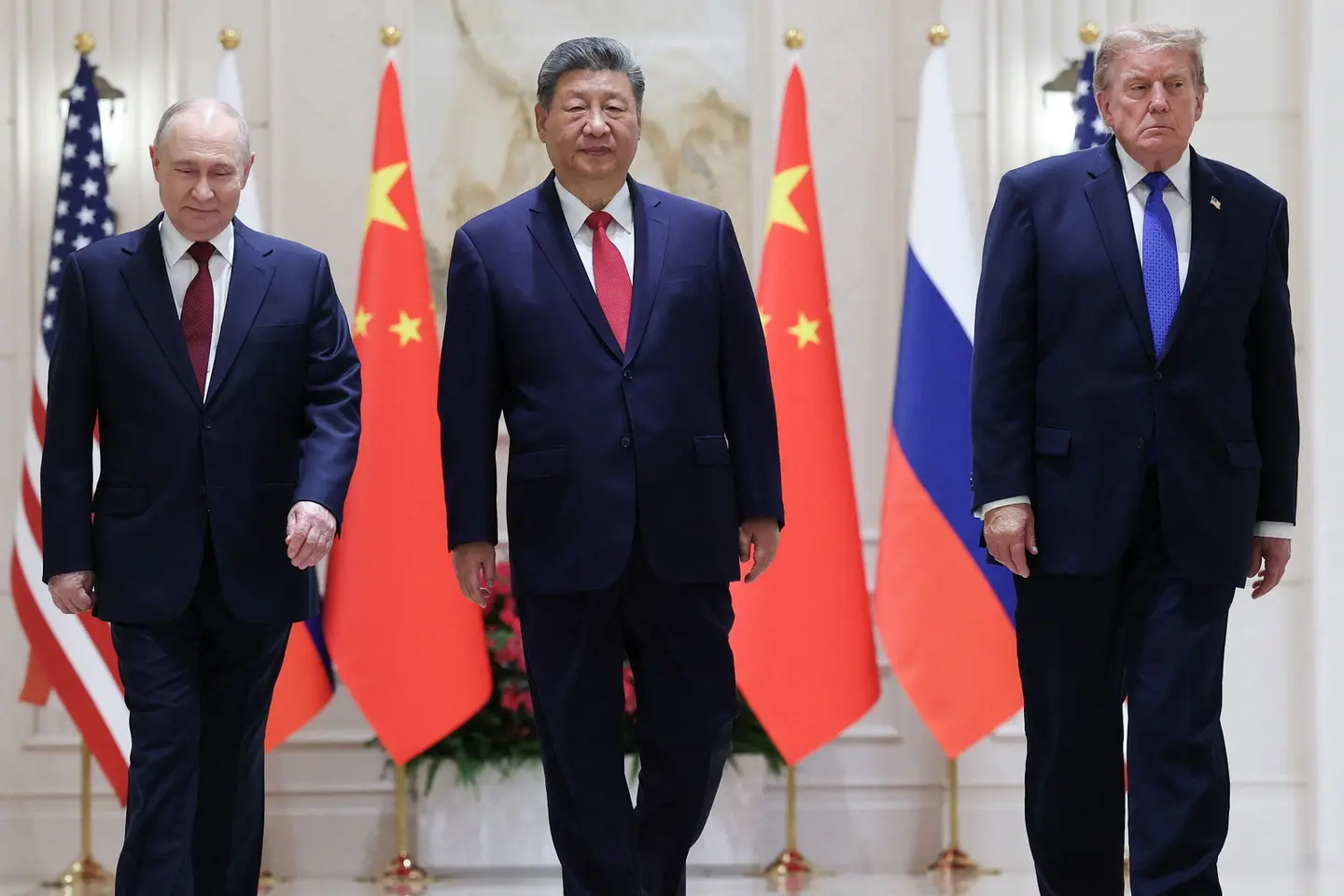
Win McNamee/Reuters
Source Analysis




What Happened
Key Implications
What Happened
Key Implications
Where Sources Disagree
- Yalta Conference Comparison: Some observers suggest the summit echoes the 1945 Yalta Conference, raising concerns that the three leaders are establishing global spheres of influence. In contrast, other sources dismiss this comparison as far-fetched, arguing that the summit's limited outcomes and modern geopolitical dynamics differ significantly from the post-war historical precedent.
- Summit Significance Disputed: While some outlets characterize the trilateral summit as a historic, groundbreaking diplomatic shift that establishes a new framework for global stability, others dismiss the meeting as optics-focused theater that yielded no substantive policy breakthroughs or concrete resolutions.
Timeline
November 19, 2026
Skepticism and international reaction: Despite the declaration, Kyiv, European allies and analysts criticised the summit for excluding Ukraine's voice and doubted it produced substantive agreements, with experts saying the meeting may at best start a process rather than yield immediate breakthroughs. Observers also noted signs of friction between the U.S. and China and cautioned the declaration contained few concrete, enforceable steps.
November 19, 2026
90-minute trilateral meeting: Donald Trump, Xi Jinping and Vladimir Putin met for roughly 90 minutes in Shenzhen and issued a four-point joint "Declaration Towards Peace" that pledged UN reform, plans to boost refined petroleum production and supply, a dialogue to reduce nuclear risks and language warning against perceived abuses by the International Criminal Court. The leaders framed the summit as historic while stopping short of binding arms-control or conflict-resolution deals.
November 19, 2026
Leaders arrive and hold bilaterals: On the sidelines of the APEC summit in Shenzhen, Xi hosted visiting leaders and Trump held a separate one-on-one with Xi ahead of the three-way meeting, discussing energy, trade and other bilateral issues. The visits included the customary APEC photo opportunities and set the stage for the trilateral session.
Perspectives and Debates
Summary by Ground AI
Sources
See All 1321A varied selection of sources chosen by Ground to reflect the diversity of this story’s coverage.
Most Written About
The stories getting the most coverage from the last 24 hours



Source Analysis
Timeline
November 19, 2026
Skepticism and international reaction: Despite the declaration, Kyiv, European allies and analysts criticised the summit for excluding Ukraine's voice and doubted it produced substantive agreements, with experts saying the meeting may at best start a process rather than yield immediate breakthroughs. Observers also noted signs of friction between the U.S. and China and cautioned the declaration contained few concrete, enforceable steps.
November 19, 2026
90-minute trilateral meeting: Donald Trump, Xi Jinping and Vladimir Putin met for roughly 90 minutes in Shenzhen and issued a four-point joint "Declaration Towards Peace" that pledged UN reform, plans to boost refined petroleum production and supply, a dialogue to reduce nuclear risks and language warning against perceived abuses by the International Criminal Court. The leaders framed the summit as historic while stopping short of binding arms-control or conflict-resolution deals.
November 19, 2026
Leaders arrive and hold bilaterals: On the sidelines of the APEC summit in Shenzhen, Xi hosted visiting leaders and Trump held a separate one-on-one with Xi ahead of the three-way meeting, discussing energy, trade and other bilateral issues. The visits included the customary APEC photo opportunities and set the stage for the trilateral session.


