Trump Says U.S. Firms Building Data Centers Abroad Would Face Penalties
United States
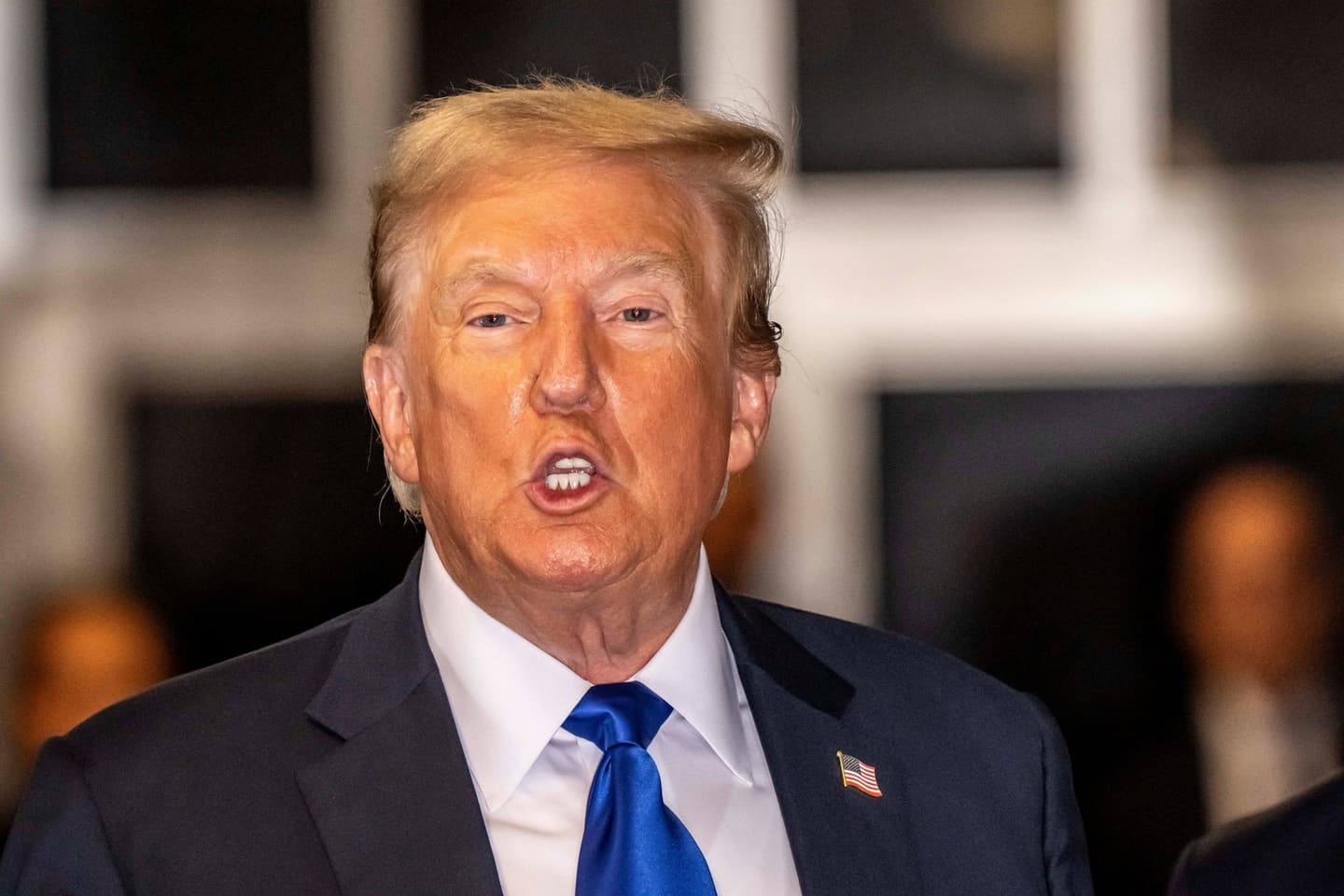
Mark Peterson/Reuters
Source Analysis




What Happened
Key Implications
What Happened
Key Implications
Where Sources Disagree
- Data Center Policy Framing: Some sources link Trump's threat to penalize overseas data centers to his recent Asia trip and meetings with world leaders, while others frame the announcement within the context of domestic energy permitting legislation and industry efforts to address community opposition.
- Overseas Data Center Restrictions: Sources describe President Trump's threat regarding overseas data centers with slight variation, with some reports characterizing the policy as a potential ban on foreign construction, while others emphasize the threat of a substantial tax on such investments.
Timeline
November 20, 2026
Immediate Market And Public Reaction: Markets reacted quickly: AI stocks sold off with the S&P 500 down 3.7% on the day, while social‑media and market commentary spotlighted potential consequences for projects such as Googles Finland investment. Observers flagged broad uncertainty about which projects would be affected and how the policy might reshape international tech investment.
November 20, 2026
Regulatory And Legislative Context: The announcement came alongside new U.S. export controls restricting remote access to advanced chips and servers, and after the Senate passed a bipartisan energy-permitting bill that would speed infrastructure reviews and require data centers to cover grid upgrade costs. Reports also noted rising construction costs, community opposition over electricity use, and industry responses to address mistrust and environmental concerns.
November 20, 2026
Threatens Tax On Overseas Data Centers: At the November 20 news conference, President Trump warned U.S. tech companies that building artificial intelligence data centers abroad would face "a tremendous tax" and other severe penalties, arguing the move was to prevent China from gaining advantage. He gave no details on the size, scope, legal mechanism or timing of the proposed penalty and acknowledged he had not yet discussed it with administration officials.
Perspectives and Debates
Is Trump's overseas data-centre proposal mainly a response to China competition or to domestic backlash?
Summary by Ground AI
Sources
See All 397A varied selection of sources chosen by Ground to reflect the diversity of this story’s coverage.
Most Written About
The stories getting the most coverage from the last 24 hours








Source Analysis
Timeline
November 20, 2026
Immediate Market And Public Reaction: Markets reacted quickly: AI stocks sold off with the S&P 500 down 3.7% on the day, while social‑media and market commentary spotlighted potential consequences for projects such as Googles Finland investment. Observers flagged broad uncertainty about which projects would be affected and how the policy might reshape international tech investment.
November 20, 2026
Regulatory And Legislative Context: The announcement came alongside new U.S. export controls restricting remote access to advanced chips and servers, and after the Senate passed a bipartisan energy-permitting bill that would speed infrastructure reviews and require data centers to cover grid upgrade costs. Reports also noted rising construction costs, community opposition over electricity use, and industry responses to address mistrust and environmental concerns.
November 20, 2026
Threatens Tax On Overseas Data Centers: At the November 20 news conference, President Trump warned U.S. tech companies that building artificial intelligence data centers abroad would face "a tremendous tax" and other severe penalties, arguing the move was to prevent China from gaining advantage. He gave no details on the size, scope, legal mechanism or timing of the proposed penalty and acknowledged he had not yet discussed it with administration officials.


