Trump May Hold Off on New Iran Strikes Unless Provoked
United States
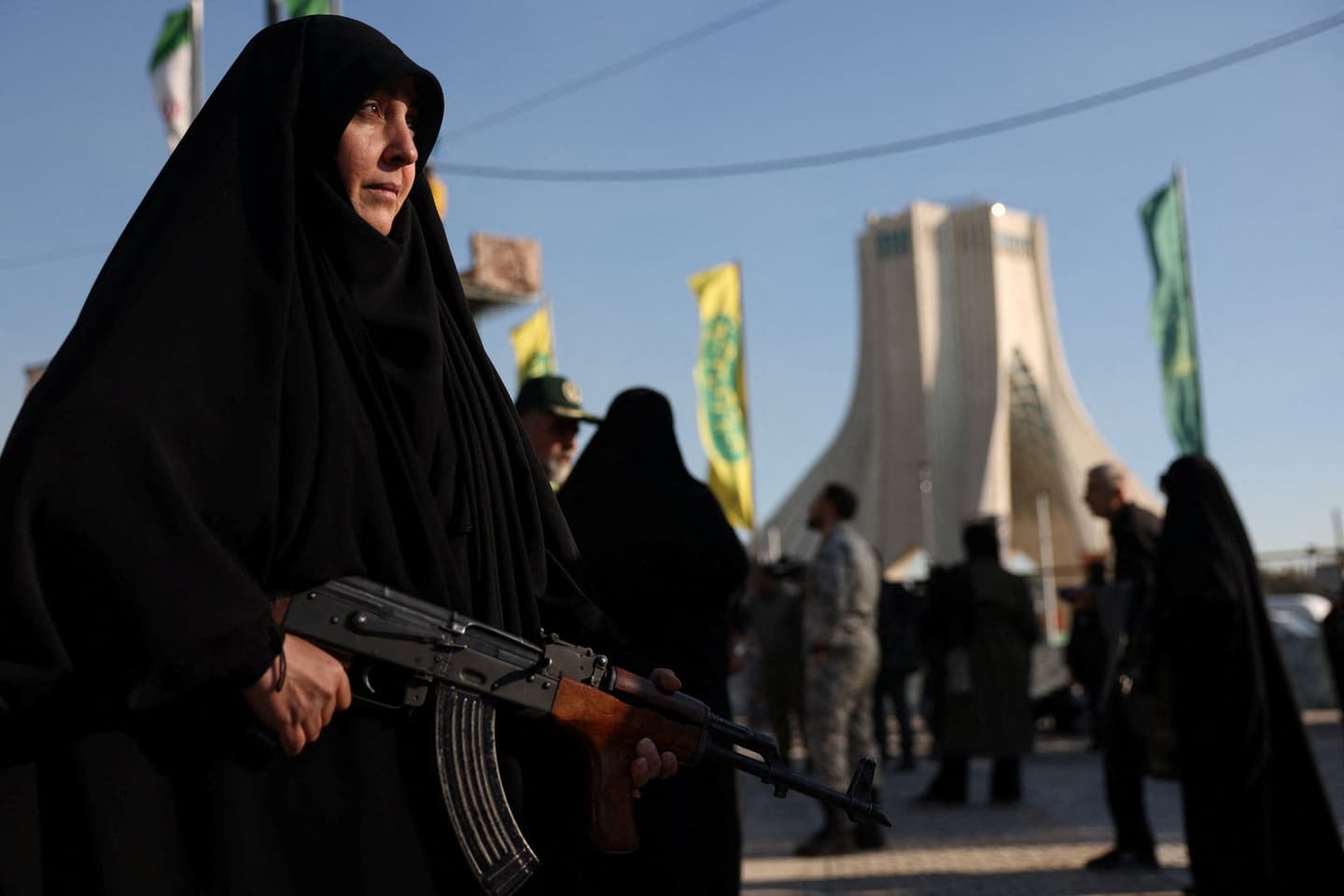
Majid Asgaripour/Reuters
Source Analysis




What Happened
Key Implications
What Happened
Key Implications
Where Sources Disagree
- Drivers of Iran Strike Pause: Some sources attribute the potential pause on Iran strikes to domestic political pressure following midterm election losses. In contrast, other reports emphasize that the decision stems from requests by regional allies and the success of existing economic pressure campaigns.
- Iran Conflict Status: Some sources characterize the Iran conflict as effectively over, citing the President's pivot toward economic pressure. However, other reports emphasize that President Trump has not made a final decision and the U.S. military remains prepared to escalate operations if necessary.
- Negotiation Necessity: President Trump claims the U.S. no longer requires a negotiated deal with Iran due to economic leverage. Conversely, diplomatic assessments indicate that Iran remains unwilling to engage in negotiations unless the U.S. agrees to specific conditions, suggesting that any path to a deal remains contingent on unresolved demands.
Timeline
November 14, 2026
Trump signals holdoff unless provoked: In mid-November, after national security meetings and intelligence briefings and following calls with regional leaders who urged restraint, Trump privately told senior advisers he may hold off on new strikes unless Iran or its proxies mount new provocations; military options remain, including movement of a third aircraft carrier to the region.
November 7, 2026
November 7 diplomatic readout: An official readout from the November 7 call with Turkey stressed that tensions between Iran and the U.S. need to end, and U.S. intelligence assessed that the naval blockade and sanctions were hurting Iran and limiting Tehran's options.
November 3, 2026
Midterms increase domestic pressure: The November 3 midterm elections handed control of Congress to Democrats and a Reuters/Ipsos poll found 55% of Americans said the war was not worth the cost, raising pressure on Trump to avoid fresh attacks.
Perspectives and Debates
Are economic and electoral pressures or regional diplomacy driving the pause in strikes on Iran?
Summary by Ground AI
Sources
See All 115A varied selection of sources chosen by Ground to reflect the diversity of this story’s coverage.
Most Written About
The stories getting the most coverage from the last 24 hours







Source Analysis
Timeline
November 14, 2026
Trump signals holdoff unless provoked: In mid-November, after national security meetings and intelligence briefings and following calls with regional leaders who urged restraint, Trump privately told senior advisers he may hold off on new strikes unless Iran or its proxies mount new provocations; military options remain, including movement of a third aircraft carrier to the region.
November 7, 2026
November 7 diplomatic readout: An official readout from the November 7 call with Turkey stressed that tensions between Iran and the U.S. need to end, and U.S. intelligence assessed that the naval blockade and sanctions were hurting Iran and limiting Tehran's options.
November 3, 2026
Midterms increase domestic pressure: The November 3 midterm elections handed control of Congress to Democrats and a Reuters/Ipsos poll found 55% of Americans said the war was not worth the cost, raising pressure on Trump to avoid fresh attacks.


