Trump, Xi and Putin Issue Joint Declaration on Nuclear Risks, UN Reform
China
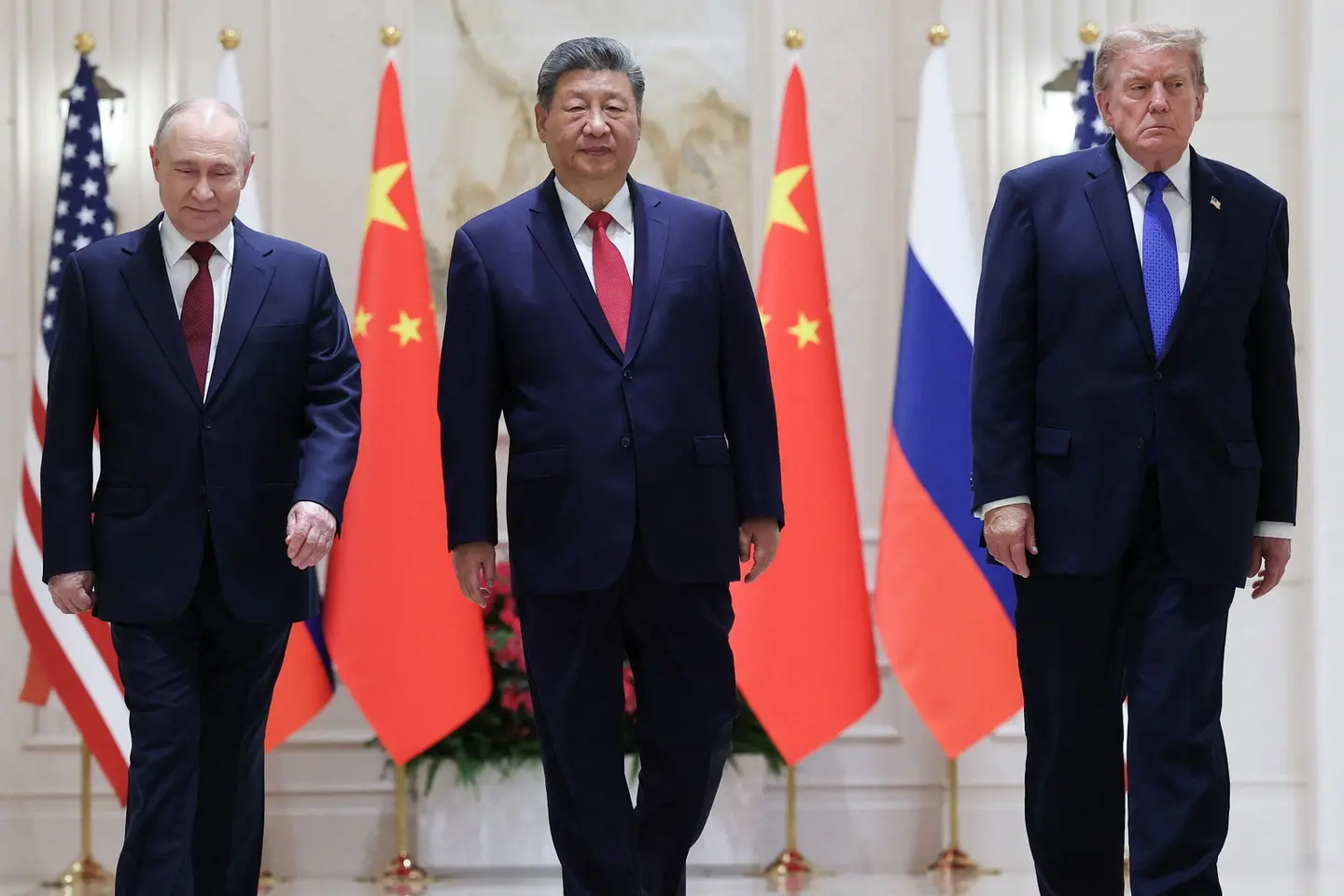
Win McNamee/Reuters
Source Analysis




What Happened
Key Implications
What Happened
Key Implications
Where Sources Disagree
- Summit Outcome Assessment: The Trump administration and supporters characterize the Shenzhen trilateral as a groundbreaking diplomatic achievement that set a new course for global stability. However, critics and geopolitical analysts dismiss the summit as a hollow spectacle that produced no tangible policy breakthroughs on the most pressing international conflicts.
- Summit Meeting Duration: Some outlets report the trilateral summit lasted 80 minutes, while other sources state the meeting continued for 90 minutes.
- Joint Declaration Publication Status: Reports differ on the publication status of the joint peace declaration. While Chinese and Russian state media immediately released the document, some outlets note the White House had not initially issued its own version, whereas others state that similar texts were published by all three nations.
Timeline
November 19, 2026
Aftermath and Geopolitical Implications: Analysts said the summit established a trilateral political framework for 'risk reduction' and raised China's diplomatic centrality while restoring channels among the three powers; post-summit statements from China and Russia urged increased energy production but the declaration contained no detailed roadmaps or obligations to lift sanctions. The summit also left key issues like the U.S.-China trade truce unresolved.
November 19, 2026
Scope and Criticism Noted: Observers noted the declaration produced no binding settlement on Ukraine or Iran, no nuclear-arms reductions and emphasized state immunities while criticizing the ICC; commentators warned the optics advantaged Xi and Putin and risked legitimizing Russia's actions in Ukraine. The joint text omitted conflict-specific commitments despite bilateral discussions.
November 19, 2026
Joint Declaration Released: After the first-ever U.S.-China-Russia trilateral summit, the leaders issued a four-point 'Declaration toward Peace' committing to dialogue on reducing nuclear risks, United Nations reform, increased refined petroleum supplies and protecting state-official immunities. The four-point document was published following the Shenzhen meeting.
Perspectives and Debates
Summary by Ground AI
Sources
See All 1301A varied selection of sources chosen by Ground to reflect the diversity of this story’s coverage.
Most Written About
The stories getting the most coverage from the last 24 hours



Source Analysis
Timeline
November 19, 2026
Aftermath and Geopolitical Implications: Analysts said the summit established a trilateral political framework for 'risk reduction' and raised China's diplomatic centrality while restoring channels among the three powers; post-summit statements from China and Russia urged increased energy production but the declaration contained no detailed roadmaps or obligations to lift sanctions. The summit also left key issues like the U.S.-China trade truce unresolved.
November 19, 2026
Scope and Criticism Noted: Observers noted the declaration produced no binding settlement on Ukraine or Iran, no nuclear-arms reductions and emphasized state immunities while criticizing the ICC; commentators warned the optics advantaged Xi and Putin and risked legitimizing Russia's actions in Ukraine. The joint text omitted conflict-specific commitments despite bilateral discussions.
November 19, 2026
Joint Declaration Released: After the first-ever U.S.-China-Russia trilateral summit, the leaders issued a four-point 'Declaration toward Peace' committing to dialogue on reducing nuclear risks, United Nations reform, increased refined petroleum supplies and protecting state-official immunities. The four-point document was published following the Shenzhen meeting.


