Texas Agency Proposes Ending Children’s Autism Program
Texas, US
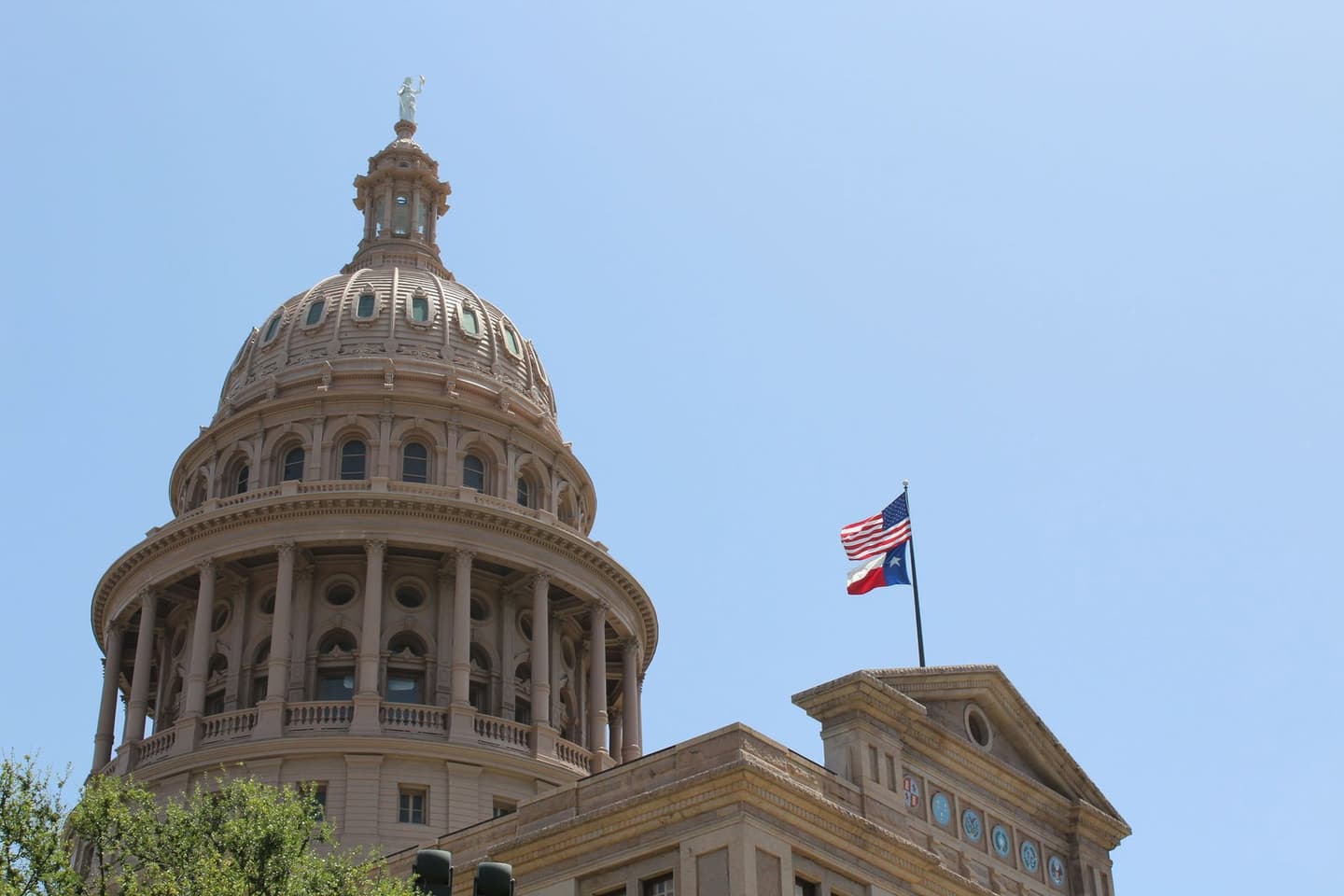
Ruben Reyes/Pexels
Source Analysis




What Happened
What Happened
Where Sources Agree
- arrows_inputProposed Autism Program Elimination: Reporting establishes that the Texas Health and Human Services Commission proposed eliminating the Children’s Autism Program in its 2028-2029 budget request, citing a state-mandated 3% reduction in agency spending, according to the commission’s budget filing.
- arrows_inputHigh Demand for Autism Services: Coverage highlights that while 583 children received funding in fiscal year 2026, over 1,000 others remain on statewide waitlists, framing the current system as unable to meet the acute demand for therapy, according to contractor reports.
- arrows_inputDebate Over Program Redundancy: Coverage broadly notes that state officials argue Medicaid's 2022 inclusion of ABA therapy makes the Children's Autism Program redundant, while advocates counter that provider shortages and coverage gaps limit actual access for families.
Where Sources Disagree
- arrows_outputAutism Program Redundancy Claim: State officials argue that the inclusion of autism therapy in Medicaid makes the Children's Autism Program redundant. However, advocates contend that Medicaid coverage does not guarantee actual access to providers, particularly for families in rural areas or those with limited insurance options.
- arrows_outputAutism Program Cut Impact: State officials characterize the proposed elimination of the Children’s Autism Program as a necessary budget reduction with minimal direct service impact. In contrast, advocates and providers warn the proposal is devastating, arguing it leaves families without essential therapy options that Medicaid often fails to cover.
Timeline
October 12, 2026
HHSC proposes cutting CAP: In its budget request for the 2028–29 biennium, the Texas Health and Human Services Commission proposed eliminating CAP as part of agency reductions tied to 3% spending cuts ordered by state leaders, prompting alarm from advocates and providers; HHSC said children would still receive services through the end of August 2027 if the Legislature approves the cut. The Legislature will decide the program’s fate during its 2027 session.
October 12, 2026
Program expanded and funded: By 2026 the state had spent $13.7 million on CAP over the prior two years and expanded eligibility this year to those up to 21 years old while removing a cap on yearly hours. CAP continued to contract with multiple providers across Texas to deliver ABA therapy at reduced cost based on family income and insurance.
June 30, 2026
Demand outstrips capacity: In fiscal 2026 CAP funded treatment for 583 children while contractors reported at least 1,000 additional children on waitlists statewide; locally, some CAP-affiliated centers treated about 41 families last year and reported roughly 200 more families waiting. Wait times for CAP-partnered programs in Texas are often measured in years, not weeks.
Summary by Ground AI
Sources
See All 29A varied selection of sources chosen by Ground to reflect the diversity of this story’s coverage.
Most Written About
The stories getting the most coverage from the last 24 hours





Source Analysis
Timeline
October 12, 2026
HHSC proposes cutting CAP: In its budget request for the 2028–29 biennium, the Texas Health and Human Services Commission proposed eliminating CAP as part of agency reductions tied to 3% spending cuts ordered by state leaders, prompting alarm from advocates and providers; HHSC said children would still receive services through the end of August 2027 if the Legislature approves the cut. The Legislature will decide the program’s fate during its 2027 session.
October 12, 2026
Program expanded and funded: By 2026 the state had spent $13.7 million on CAP over the prior two years and expanded eligibility this year to those up to 21 years old while removing a cap on yearly hours. CAP continued to contract with multiple providers across Texas to deliver ABA therapy at reduced cost based on family income and insurance.
June 30, 2026
Demand outstrips capacity: In fiscal 2026 CAP funded treatment for 583 children while contractors reported at least 1,000 additional children on waitlists statewide; locally, some CAP-affiliated centers treated about 41 families last year and reported roughly 200 more families waiting. Wait times for CAP-partnered programs in Texas are often measured in years, not weeks.


