Supreme Court Weighs Paramount Video Privacy Case Over Facebook Tracking
United States
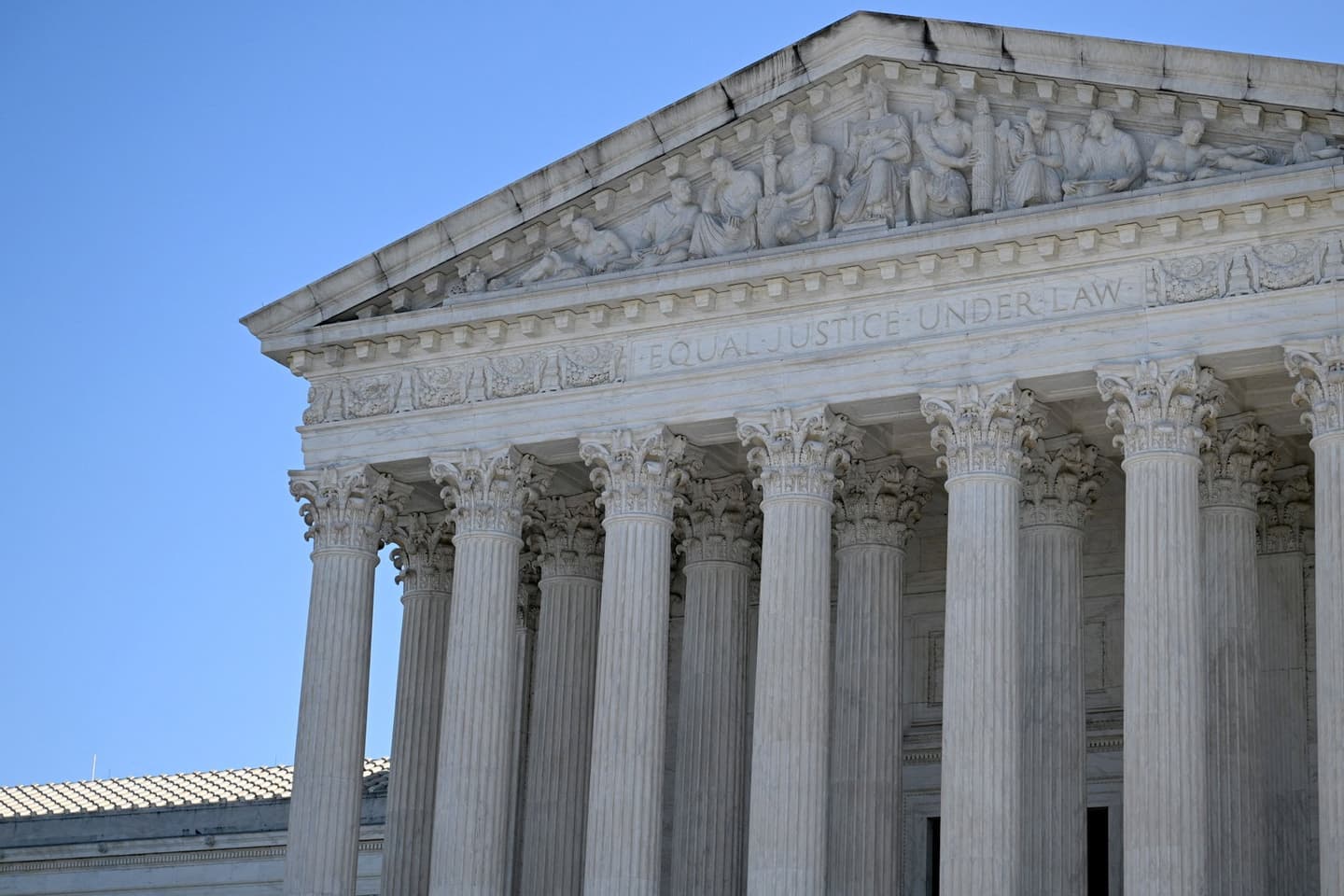
Annabelle Gordon/Reuters
Source Analysis




What Happened
Key Implications
What Happened
Key Implications
Where Sources Agree
- arrows_inputHistorical Origins of VPPA: Most sources align on the fact that Congress enacted the Video Privacy Protection Act in 1988 to safeguard consumer privacy after a reporter published the 146-movie rental history of Supreme Court nominee Robert Bork during his 1987 confirmation hearings, according to official historical records.
- arrows_inputAppellate Court Split: Most sources document that federal appeals courts remain split on whether the Video Privacy Protection Act’s definition of a 'consumer' applies to any goods or services or is restricted specifically to audiovisual content, according to court documents.
- arrows_inputBusiness Model and Liability Risks: A portion of reporting indicates that Paramount faces potential class-action liability if the Supreme Court expands the Video Privacy Protection Act, with legal briefs warning this could force providers to abandon ad-supported business models in favor of paywalls.
Where Sources Disagree
- arrows_outputCircuit Split Context: Some outlets frame the case by detailing an existing circuit split regarding the definition of a 'consumer' under the 1988 law. In contrast, other reports omit this broader legal context to focus exclusively on the specific facts of the Salazar case.
- arrows_outputVPPA Application Consequences: Paramount argues that applying the 1988 Video Privacy Protection Act to modern digital sites could impose ruinous liability, forcing companies to move free content behind paywalls. In contrast, other sources emphasize that companies have feasible solutions, such as obtaining user consent or discontinuing the sale of personal data.
Timeline
June 1, 2027 Upcoming
Decision expected by term end: The justices were expected to issue a decision by the end of the Court's current term the following June, setting an anticipated deadline for resolution of the split over the VPPA's modern reach.
October 14, 2026
Supreme Court hears arguments: On October 14, 2026 the U.S. Supreme Court heard oral argument in Salazar v. Paramount Global to decide whether the 1988 VPPA covers online data-sharing for targeted advertising and to resolve conflicting appeals-court interpretations. Justices examined whether the statute's 'consumer' definition extends to non‑audiovisual goods and services in the internet era.
January 1, 2026
Lower courts reject broad claim: A federal trial judge dismissed Salazar's case, ruling the newsletter did not make him a VPPA 'consumer' because it was not 'audio-visual content'; a divided 6th U.S. Circuit Court of Appeals affirmed, adopting a narrower reading of who qualifies as a consumer under the statute. Those rulings produced a split among appeals courts on the statute's scope.
Summary by Ground AI
Sources
See All 112A varied selection of sources chosen by Ground to reflect the diversity of this story’s coverage.
Most Written About
The stories getting the most coverage from the last 24 hours







Source Analysis
Timeline
June 1, 2027 Upcoming
Decision expected by term end: The justices were expected to issue a decision by the end of the Court's current term the following June, setting an anticipated deadline for resolution of the split over the VPPA's modern reach.
October 14, 2026
Supreme Court hears arguments: On October 14, 2026 the U.S. Supreme Court heard oral argument in Salazar v. Paramount Global to decide whether the 1988 VPPA covers online data-sharing for targeted advertising and to resolve conflicting appeals-court interpretations. Justices examined whether the statute's 'consumer' definition extends to non‑audiovisual goods and services in the internet era.
January 1, 2026
Lower courts reject broad claim: A federal trial judge dismissed Salazar's case, ruling the newsletter did not make him a VPPA 'consumer' because it was not 'audio-visual content'; a divided 6th U.S. Circuit Court of Appeals affirmed, adopting a narrower reading of who qualifies as a consumer under the statute. Those rulings produced a split among appeals courts on the statute's scope.


