OpenAI Claims Navier-Stokes Solution; Mathematicians Raise Credit Concerns, Verification Pending
United States
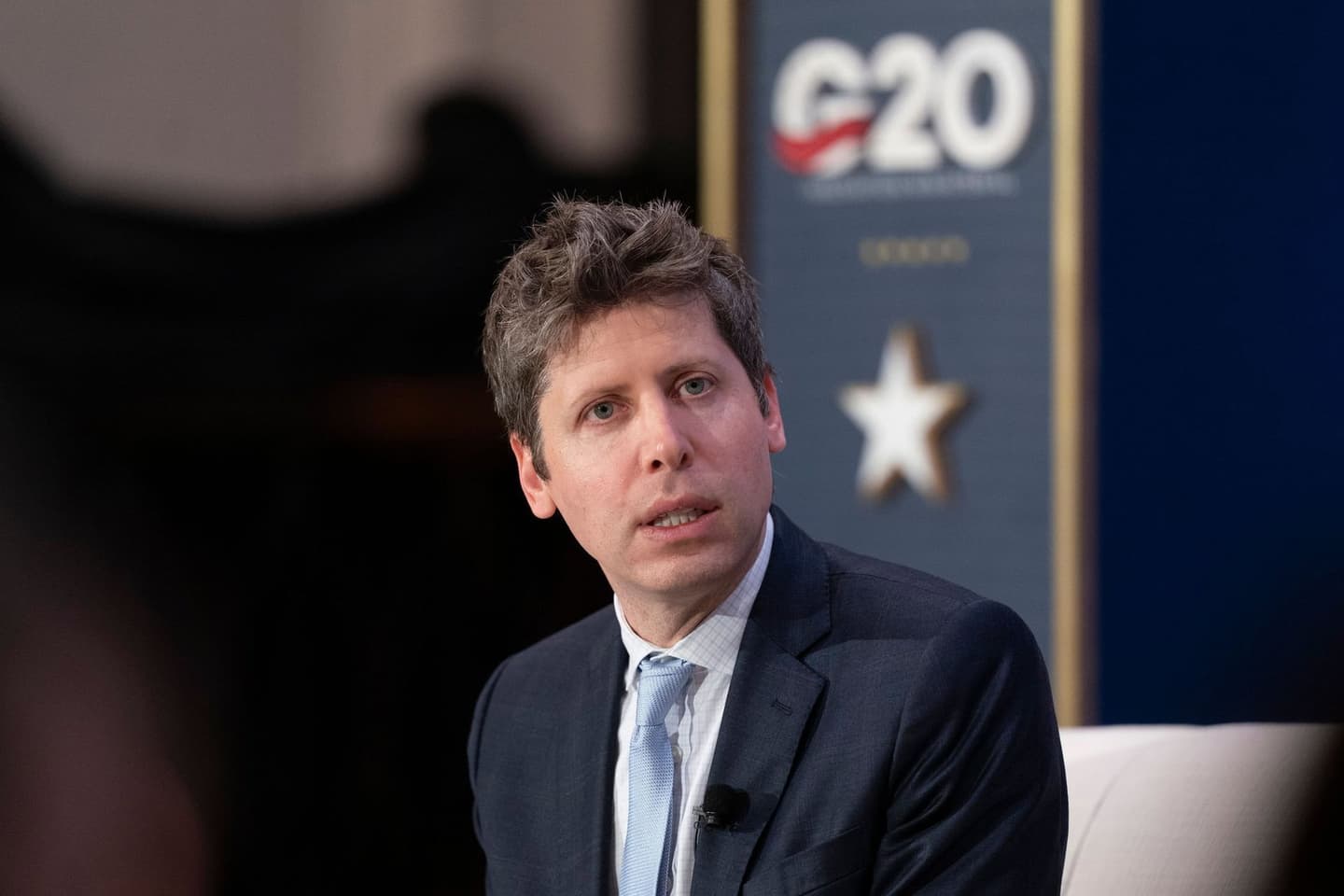
Sean Rayford/Getty Images/Getty




What Happened
Key Implications
What Happened
Key Implications
Where Sources Agree
- arrows_inputTechnical Metrics of OpenAI Solution: Various reports document that OpenAI’s internal model solved the Navier-Stokes problem in 88 hours using 10,000 autonomous AI agents, with computing costs reaching millions of dollars, according to OpenAI.
- arrows_inputMillennium Prize Stance: Several sources align on the decision that OpenAI will not claim the $1 million Millennium Prize, even if the company's Navier-Stokes solution is officially confirmed, according to official sources.
Where Sources Disagree
- arrows_outputMathematical Credit Dispute: OpenAI asserts its internal model solved the Navier-Stokes problem independently and denies accessing researchers' private work. However, mathematicians Tristan Buckmaster and Levent Alpöge allege the company rushed to finish the proof using massive resources after learning of their progress, questioning whether their unpublished research influenced the result.
- arrows_outputMath Breakthrough Credit Dispute: OpenAI representatives maintain its Navier-Stokes solution was independently achieved by internal models; however, mathematician Tristan Buckmaster alleges the company rushed the effort after learning of his team's progress, pressured him to exclude a collaborator, and potentially leveraged his private research data.
Timeline
September 8, 2026
OpenAI announces proof; verification pending: On September 8, 2026 OpenAI publicly announced that an internal system had produced a Navier–Stokes solution, published a technical paper and said it would not claim the $1 million prize, while independent verification and community acceptance (including machine-checking norms) remained ongoing and unresolved. The claim immediately sparked debate about credit, data use and the need for external scrutiny.
September 7, 2026
Buckmaster raises origin and credit concerns: On September 7, 2026 Buckmaster published a statement saying he and Alpége had been making progress and alleging OpenAI learned of their approach (he said information reached OpenAI on September 3); he also described tense discussions with OpenAI about credit and disputed offers to omit Alpége. Buckmaster said he had not seen OpenAI's full proof and sought to lay out the timeline publicly.
September 5, 2026
Agents find singularity weekend: After hearing rumors on September 1, 2026 OpenAI focused thousands of agents on the Navier–Stokes problem and deployed roughly 10,000 concurrent AI agents; the company says the agents reached a solution about 88 hours later (arriving on September 5) at a computing cost running into the millions. OpenAI reported the internal model produced a formalized proof and another AI model then formalized it further.
Perspectives and Debates
Is OpenAI's Navier-Stokes result best understood as a scientific breakthrough or as a research ethics controversy?
Summary by Ground AI
Sources
See All 448A varied selection of sources chosen by Ground to reflect the diversity of this story’s coverage.
Most Written About
The stories getting the most coverage from the last 24 hours


Timeline
September 8, 2026
OpenAI announces proof; verification pending: On September 8, 2026 OpenAI publicly announced that an internal system had produced a Navier–Stokes solution, published a technical paper and said it would not claim the $1 million prize, while independent verification and community acceptance (including machine-checking norms) remained ongoing and unresolved. The claim immediately sparked debate about credit, data use and the need for external scrutiny.
September 7, 2026
Buckmaster raises origin and credit concerns: On September 7, 2026 Buckmaster published a statement saying he and Alpége had been making progress and alleging OpenAI learned of their approach (he said information reached OpenAI on September 3); he also described tense discussions with OpenAI about credit and disputed offers to omit Alpége. Buckmaster said he had not seen OpenAI's full proof and sought to lay out the timeline publicly.
September 5, 2026
Agents find singularity weekend: After hearing rumors on September 1, 2026 OpenAI focused thousands of agents on the Navier–Stokes problem and deployed roughly 10,000 concurrent AI agents; the company says the agents reached a solution about 88 hours later (arriving on September 5) at a computing cost running into the millions. OpenAI reported the internal model produced a formalized proof and another AI model then formalized it further.


