North Korea Adds Automatic Nuclear Strike Rule for Threats to Kim Jong Un
Pyongyang, North Korea
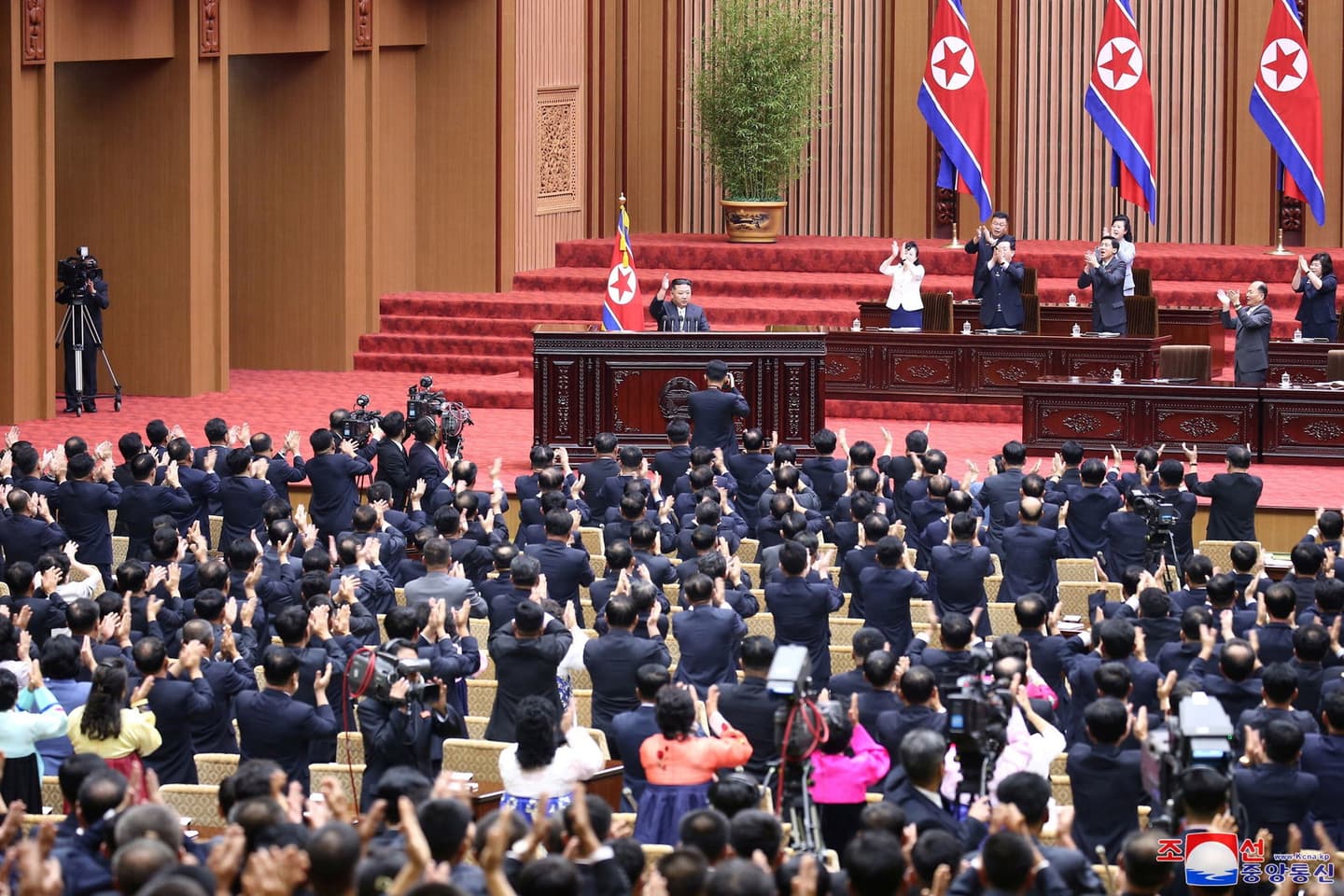
KCNA/Reuters
Source Analysis




What Happened
What Happened
Where Right Sources Focus
- Automatic Nuclear Strike: Conservative outlets detail how North Korea revised its constitution to mandate an automatic nuclear strike if Kim Jong-un is incapacitated or its command system is attacked, formalizing retaliatory policy, citing South Korean intelligence.
- Iran Strikes Catalyst: Right media extensively cover how North Korea's constitutional change followed US-Israeli strikes on Iran, deeply rattling Pyongyang's leadership and raising Kim Jong-un's personal security concerns, according to analysts and South Korean intelligence.
Where Center Sources Focus
- Escalation Risk, Deterrence: Center coverage emphasizes that North Korea's constitutional shift adds weight to its nuclear policy, increasing rapid escalation and miscalculation risks, while acting as a deterrent, according to analysts and South Korean intelligence.
- Geopolitical Shift, Proliferation: Center sources highlight how the war in Ukraine promotes nuclear proliferation, strengthening the CRINK alliance (China, Russia, Iran, North Korea) and influencing Pyongyang's increasingly overt nuclear posture, as reported by IntelliNews.
What's Largely Absent from Each Side
- Right sources rarely mention: Right sources rarely mention the broader geopolitical context connecting the Ukraine war to nuclear proliferation and the strengthening of the CRINK alliance, which center outlets emphasize as influencing North Korea's actions.
- Center sources rarely mention: Center coverage largely omits specific details about North Korea's new nuclear-capable destroyer warship and its sea-based capabilities, with right outlets detailing how this modernization presents new threats to U.S. and South Korean defenses.
Rare Agreement
- Automatic Nuclear Retaliation: Both sides acknowledge North Korea revised its constitution to mandate an automatic nuclear strike if Kim Jong-un is incapacitated, a policy change influenced by the US-Israeli strikes on Iran.
Timeline
May 10, 2026
Analysts Warn Of Risks, Responses: Analysts warn the amendment reduces ambiguity about launch authority but raises the risk of rapid escalation or miscalculation; supporters within North Korea view it as deterrence, while South Korea says it will review implications and the U.S. and South Korea continue to emphasize surveillance and defensive measures. Reporting also links the move to Pyongyang’s continuing expansion of missile and naval nuclear capabilities.
May 10, 2026
Amendment Linked To Iran Strike: Reporting and analysts tie the constitutional change to the aftermath of joint US‑Israeli strikes that killed Iran’s Supreme Leader and senior advisers, saying Pyongyang was rattled by those decapitation-style attacks and revised its rules to ensure automatic retaliation. Coverage notes the amendment was adopted in the context of those events and alongside broader constitutional changes in March.
May 10, 2026
South Korea Discloses Amendment: South Korea’s National Intelligence Service briefed senior officials and publicly disclosed the constitutional revision in a briefing reported on May 10, 2026, outlining that the changes codify procedures for retaliatory attacks if Kim Jong Un is incapacitated or killed. The disclosure was reported by multiple outlets and conveyed the NIS assessment that Kim retains formal command of the nuclear forces even as procedures for automatic retaliation were enshrined.
Summary by Ground AI
Sources
See All 92A varied selection of sources chosen by Ground to reflect the diversity of this story’s coverage.
Most Written About
The stories getting the most coverage from the last 24 hours





Source Analysis
Timeline
May 10, 2026
Analysts Warn Of Risks, Responses: Analysts warn the amendment reduces ambiguity about launch authority but raises the risk of rapid escalation or miscalculation; supporters within North Korea view it as deterrence, while South Korea says it will review implications and the U.S. and South Korea continue to emphasize surveillance and defensive measures. Reporting also links the move to Pyongyang’s continuing expansion of missile and naval nuclear capabilities.
May 10, 2026
Amendment Linked To Iran Strike: Reporting and analysts tie the constitutional change to the aftermath of joint US‑Israeli strikes that killed Iran’s Supreme Leader and senior advisers, saying Pyongyang was rattled by those decapitation-style attacks and revised its rules to ensure automatic retaliation. Coverage notes the amendment was adopted in the context of those events and alongside broader constitutional changes in March.
May 10, 2026
South Korea Discloses Amendment: South Korea’s National Intelligence Service briefed senior officials and publicly disclosed the constitutional revision in a briefing reported on May 10, 2026, outlining that the changes codify procedures for retaliatory attacks if Kim Jong Un is incapacitated or killed. The disclosure was reported by multiple outlets and conveyed the NIS assessment that Kim retains formal command of the nuclear forces even as procedures for automatic retaliation were enshrined.


