Hungary Plans Danube Bed Sill and Barges to Keep Paks Running
Hungary
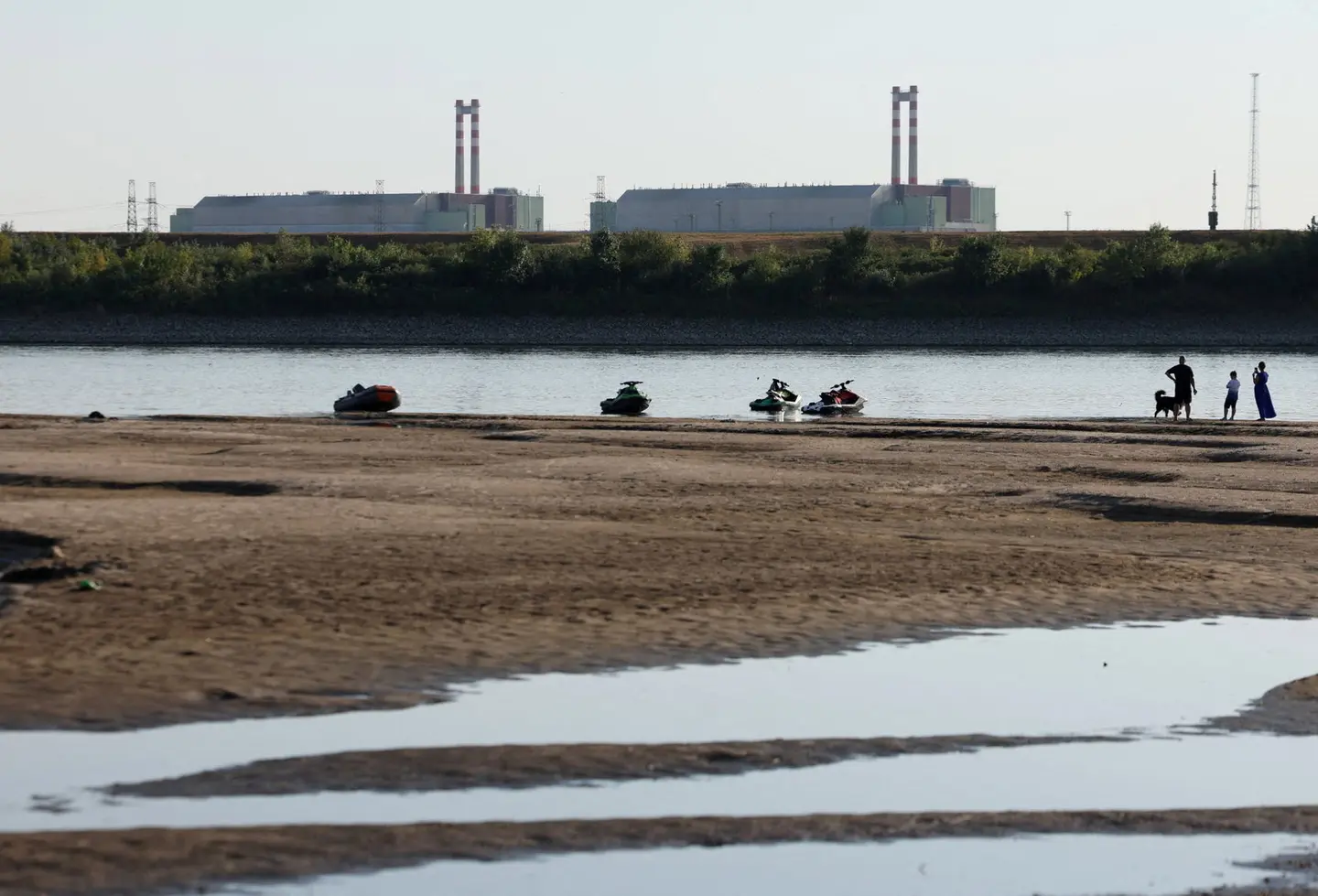
Bernadett Szabo/Reuters




What Happened
Key Implications
What Happened
Key Implications
Where Sources Agree
- arrows_inputPaks Plant Capacity Status: Outlets concur that the Paks nuclear power plant was operating at approximately 10% capacity due to record-low Danube water levels, but began restarting a turbine on Monday to increase power output following a rise in river levels, per official government and plant reports.
- arrows_inputPaks Electricity Contribution: Most outlets confirm that the Paks nuclear power plant supplies a significant portion of Hungary’s electricity, with estimates ranging from approximately one-third to nearly half of the national grid's total capacity, according to official reporting.
Where Sources Disagree
- arrows_outputPaks Plant Operational Outlook: Some sources highlight the restart of a turbine at the Paks nuclear plant following a rise in Danube water levels. In contrast, other reports emphasize that water levels are forecast to drop again, maintaining the ongoing threat of a full facility shutdown.
- arrows_outputRomania's Barge Intervention Efficacy: Some sources highlight that Romanian authorities sank barges to redirect water toward the Cernavoda nuclear plant. In contrast, other reports note this intervention provided only temporary relief and ultimately failed to prevent the reactor’s shutdown.
Timeline
August 12, 2026
Permanent sill construction and costs: The government ordered construction of a permanent riverbed sill between Paks and Dunaszentbenedek using an initial 35,000 cubic metres of stone (followed by 110,000 cubic metres), deployed about 100 soldiers to assist, and said the intervention would cost roughly HUF 6 billion versus estimated HUF 50 billion monthly economic losses if Paks stopped; officials warned the crisis remained unresolved as the Paks gauge was falling again.
August 12, 2026
Emergency barges and sill announced: Prime Minister P�ter Magyar announced an emergency plan to move two 80-metre barges to Paks—potentially to be sunk to raise water by about 20 centimetres—and to start building a bed sill upriver using delivered rock (145,000 cubic metres), with a decision on sinking the barges due by Friday. Authorities framed the measures as quick interventions to avoid a full shutdown while planning larger works.
August 10, 2026
Turbine restarted after rainfall: Rainfall upstream in Austria caused a roughly 19 cm rise in the Danube, allowing Hungary to begin restarting a second turbine at Paks and increase output from about 240 MW to around 500 MW under strict safety conditions. The phased reconnection sought to restore cooling efficiency and raise generation after the plant had been operating with only one turbine.
Summaries by Ground AI
Sources
See All 83Most Written About
The stories getting the most coverage from the last 24 hours



Timeline
August 12, 2026
Permanent sill construction and costs: The government ordered construction of a permanent riverbed sill between Paks and Dunaszentbenedek using an initial 35,000 cubic metres of stone (followed by 110,000 cubic metres), deployed about 100 soldiers to assist, and said the intervention would cost roughly HUF 6 billion versus estimated HUF 50 billion monthly economic losses if Paks stopped; officials warned the crisis remained unresolved as the Paks gauge was falling again.
August 12, 2026
Emergency barges and sill announced: Prime Minister P�ter Magyar announced an emergency plan to move two 80-metre barges to Paks—potentially to be sunk to raise water by about 20 centimetres—and to start building a bed sill upriver using delivered rock (145,000 cubic metres), with a decision on sinking the barges due by Friday. Authorities framed the measures as quick interventions to avoid a full shutdown while planning larger works.
August 10, 2026
Turbine restarted after rainfall: Rainfall upstream in Austria caused a roughly 19 cm rise in the Danube, allowing Hungary to begin restarting a second turbine at Paks and increase output from about 240 MW to around 500 MW under strict safety conditions. The phased reconnection sought to restore cooling efficiency and raise generation after the plant had been operating with only one turbine.


