Hungary Plans Danube Bed Sill and Barges to Keep Paks Running
Hungary
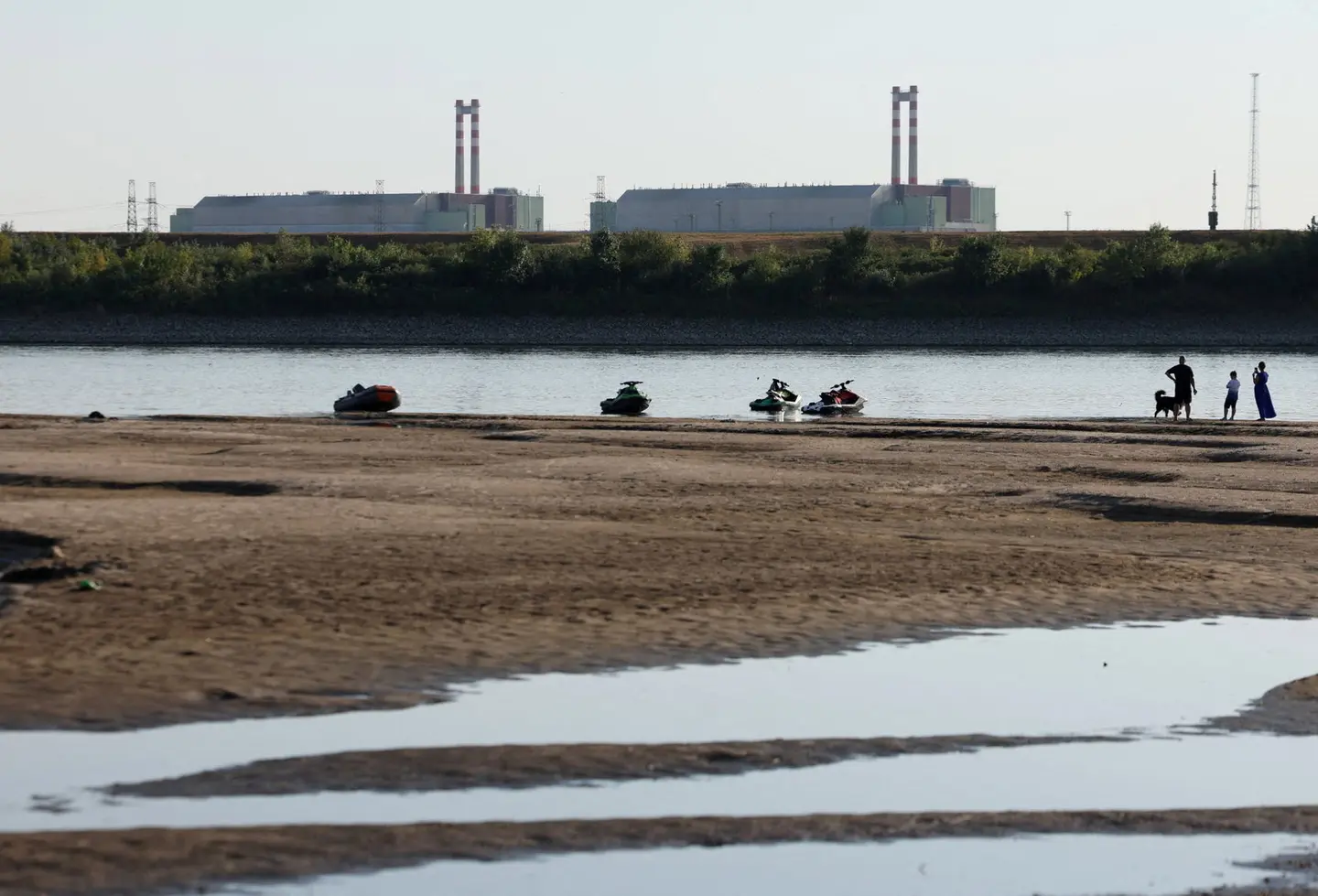
Bernadett Szabo/Reuters




What Happened
What Happened
Where Sources Agree
- arrows_inputPaks Plant Restart Initiated: Sources verify that the Paks nuclear power plant initiated the restart of a second turbine on Monday as rising Danube water levels provided sufficient cooling volume, following a period where the facility operated at roughly 10% of its 2,000-megawatt capacity, according to government announcements and official river gauges.
- arrows_inputEmergency Danube Intervention Plans: Multiple sources report that authorities are launching emergency Danube interventions, including constructing a riverbed sill and potentially sinking two barges, to maintain sufficient cooling water levels for the Paks nuclear power plant, according to Prime Minister Peter Magyar.
- arrows_inputEconomic Cost of Intervention: Several sources align on the economic rationale for the Danube interventions, noting that the project will cost approximately 6 billion forints, significantly less than the estimated 50 billion forints in monthly economic losses incurred if the Paks nuclear plant shuts down, according to government estimates.
Where Sources Disagree
- arrows_outputPaks Power Supply Estimate: Reports vary on the Paks nuclear plant’s contribution to Hungary’s power supply. Some sources state the facility provides around a third of the nation's electricity; in contrast, others report that it supplies nearly half.
- arrows_outputEnergy Crisis Status: Official warnings emphasize that the energy crisis remains acute and far from over, necessitating emergency river interventions. In contrast, operational reports highlight that rising water levels have allowed the Paks nuclear plant to restart turbines, providing temporary relief to the power supply.
Timeline
August 14, 2026 Upcoming
Barges decision and outlook: A final decision on whether to sink the barges was due on Friday, while forecasts warned water levels could fall again (to around −136/−140 cm) without intervention and the official Paks gauge stood at minus 112 cm and was falling, indicating the crisis remained unresolved.
August 13, 2026 Upcoming
Bed sill construction scheduled: Work to construct a permanent riverbed sill just upriver from Paks — starting with ~35,000 cubic metres of stone then another 110,000 cubic metres — was scheduled to begin on Thursday to slow the flow and potentially raise upstream levels by up to one metre.
August 12, 2026
Government announces emergency interventions: By mid‑August (reported Wednesday) Prime Minister Péter Magyar announced emergency measures including transporting two 80‑metre barges that could be sunk to raise water by ~20 cm, delivery of some 145,000 cubic metres of rock, and preparation to build a riverbed sill to stabilise levels.
Summaries by Ground AI
Sources
See All 79Most Written About
The stories getting the most coverage from the last 24 hours


Timeline
August 14, 2026 Upcoming
Barges decision and outlook: A final decision on whether to sink the barges was due on Friday, while forecasts warned water levels could fall again (to around −136/−140 cm) without intervention and the official Paks gauge stood at minus 112 cm and was falling, indicating the crisis remained unresolved.
August 13, 2026 Upcoming
Bed sill construction scheduled: Work to construct a permanent riverbed sill just upriver from Paks — starting with ~35,000 cubic metres of stone then another 110,000 cubic metres — was scheduled to begin on Thursday to slow the flow and potentially raise upstream levels by up to one metre.
August 12, 2026
Government announces emergency interventions: By mid‑August (reported Wednesday) Prime Minister Péter Magyar announced emergency measures including transporting two 80‑metre barges that could be sunk to raise water by ~20 cm, delivery of some 145,000 cubic metres of rock, and preparation to build a riverbed sill to stabilise levels.


