Preliminary Injunction Bars White House from Revoking Press Credentials for CNN, MS NOW, Politico
United States
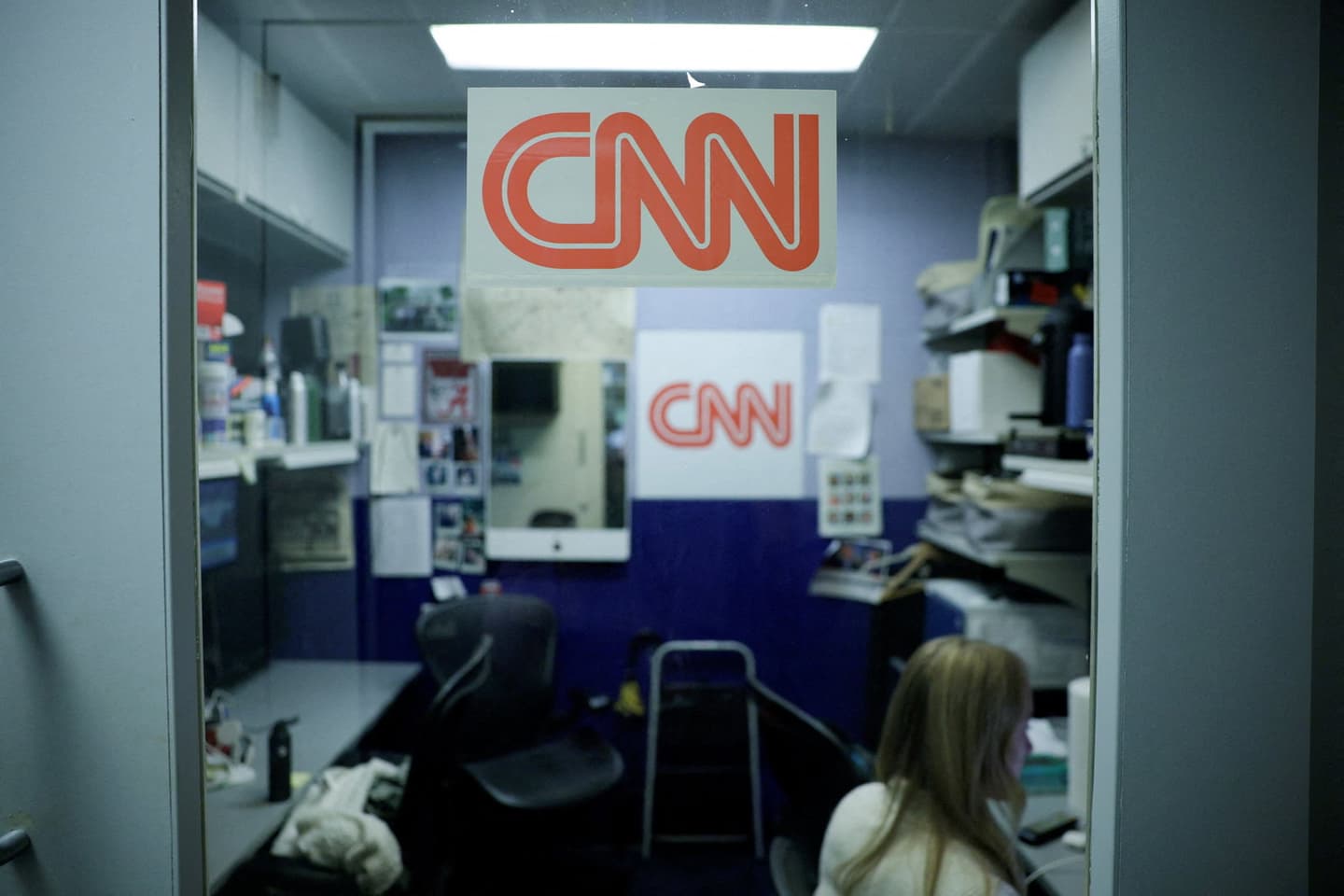
Evan Vucci/Reuters
Source Analysis




What Happened
Key Implications
What Happened
Key Implications
Where Sources Disagree
- arrows_outputPress Credential Revocation Justification: The Trump administration argues the revocation of press credentials was a necessary step to protect national security and address misinformation. However, media organizations and a federal judge maintain the ban was an unconstitutional act of viewpoint discrimination intended to retaliate against unfavorable reporting.
- arrows_outputWhite House Press Credential Revocation: The White House maintains that access to the press area is a privilege subject to presidential discretion, citing national security and accuracy concerns. Conversely, the affected media outlets and the presiding judge argue that the revocation violated due process and First Amendment protections against viewpoint discrimination.
Timeline
October 13, 2026
Preliminary injunction preserves access: On October 13, 2026, Judge Timothy Kelly issued a preliminary injunction blocking the White House from enforcing the Sept. 18 revocations, finding the outlets are likely to succeed on First Amendment and due-process claims and noting the bans affected about 78 hard-pass reporters; the order preserves the status quo until final judgment and can be appealed. The ruling left narrow carve-outs (e.g., Oval Office, Air Force One) for the administration to enforce separately.
October 8, 2026
Court hearing probes justifications: At an October 8 hearing, Justice Department lawyers argued national-security and privilege rationales for the bans while Judge Kelly expressed skepticism—noting the administration's explanations appeared to change and flagging a "notice problem" in how the bans were announced. The hearing shaped Kelly's later findings.
September 24, 2026
News outlets sue; temporary restoration: The three news organizations sued in late September (they filed on Sept. 21) and U.S. District Judge Timothy Kelly issued a temporary restraining order on Sept. 24 restoring the outlets' hard-pass access while he weighed their claims. That temporary order was extended twice as the litigation proceeded.
Perspectives and Debates
Summary by Ground AI
Sources
See All 439A varied selection of sources chosen by Ground to reflect the diversity of this story’s coverage.
Most Written About
The stories getting the most coverage from the last 24 hours








Source Analysis
Timeline
October 13, 2026
Preliminary injunction preserves access: On October 13, 2026, Judge Timothy Kelly issued a preliminary injunction blocking the White House from enforcing the Sept. 18 revocations, finding the outlets are likely to succeed on First Amendment and due-process claims and noting the bans affected about 78 hard-pass reporters; the order preserves the status quo until final judgment and can be appealed. The ruling left narrow carve-outs (e.g., Oval Office, Air Force One) for the administration to enforce separately.
October 8, 2026
Court hearing probes justifications: At an October 8 hearing, Justice Department lawyers argued national-security and privilege rationales for the bans while Judge Kelly expressed skepticism—noting the administration's explanations appeared to change and flagging a "notice problem" in how the bans were announced. The hearing shaped Kelly's later findings.
September 24, 2026
News outlets sue; temporary restoration: The three news organizations sued in late September (they filed on Sept. 21) and U.S. District Judge Timothy Kelly issued a temporary restraining order on Sept. 24 restoring the outlets' hard-pass access while he weighed their claims. That temporary order was extended twice as the litigation proceeded.


