Federal Report Cites Failures in Colorado Wildfire That Killed 4; Families Demand Accountability
Colorado, US
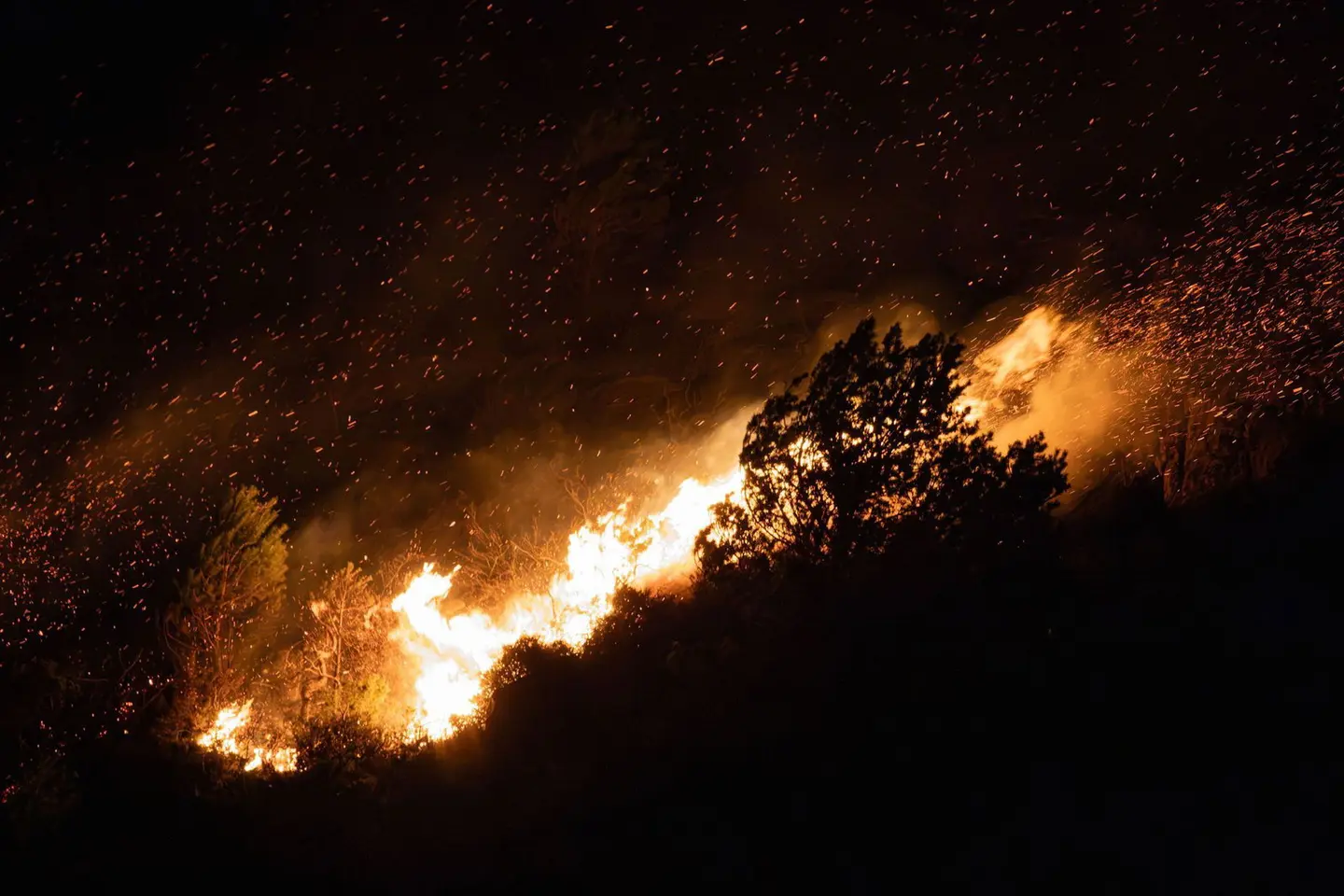
Andreas Berget/Pexels
Source Analysis




What Happened
What Happened
Where Sources Disagree
- Firefighter Death Attribution: The federal investigation attributes the firefighters' deaths to extreme fire behavior and operational failures, such as strained communications. In contrast, family members and advocates argue the tragedy resulted from an aggressive, Trump-era full-suppression policy that forced crews into unjustifiable risks.
- Operational Factors vs. Accountability: The federal investigation report attributes the deaths to operational factors like extreme fire behavior, communication breakdowns, and understaffing. In contrast, the victims' families argue the findings fail to address critical accountability questions, specifically regarding leadership decisions to keep the crew exposed and the mishandling of physical evidence, including discarded fire shelters.
- Tragedy Accountability Disputed: The families of the deceased firefighters argue the tragedy resulted from preventable leadership failures, demanding accountability for oversight; conversely, the federal investigation concludes that no single decision or system failure explains the outcome, instead identifying a combination of extraordinary fire behavior and operational complexities as the cause.
Timeline
November 12, 2026
Federal report identifies systemic failures: On Nov. 12 the U.S. Department of the Interior published a joint investigation concluding the tragedy resulted from a combination of extraordinary fire behavior, strained communications, fragmented airspace awareness, jurisdictional complexity and gaps in aerial supervision, and issued findings and recommendations to improve safety. The report documented staffing shortages, aging radio infrastructure, Air Attack coverage gaps, evidence-procedure failures, and other contributing factors.
October 26, 2026
Families demand accountability: Families of the fallen, including the Hutchersons, demanded full transparency and public release of investigation materials, raised questions about missing or contaminated evidence, and met with investigators for a formal readout on Oct. 26. They pressed for answers about why the crew remained exposed as communications and extraction options deteriorated.
July 24, 2026
Fatalities and injured crew member: Three firefighters (Emily Barker, Nick Hutcherson and Sydney Watson) died at the scene on June 27, a fourth (Nathan Matthews) later succumbed to his burn injuries on July 24, and a fifth crew member was severely injured but survived. In total, four of the five Rifle Helitack personnel died as a result of the June 27 burnover.
Summary by Ground AI
Sources
See All 55A varied selection of sources chosen by Ground to reflect the diversity of this story’s coverage.
Most Written About
The stories getting the most coverage from the last 24 hours







Source Analysis
Timeline
November 12, 2026
Federal report identifies systemic failures: On Nov. 12 the U.S. Department of the Interior published a joint investigation concluding the tragedy resulted from a combination of extraordinary fire behavior, strained communications, fragmented airspace awareness, jurisdictional complexity and gaps in aerial supervision, and issued findings and recommendations to improve safety. The report documented staffing shortages, aging radio infrastructure, Air Attack coverage gaps, evidence-procedure failures, and other contributing factors.
October 26, 2026
Families demand accountability: Families of the fallen, including the Hutchersons, demanded full transparency and public release of investigation materials, raised questions about missing or contaminated evidence, and met with investigators for a formal readout on Oct. 26. They pressed for answers about why the crew remained exposed as communications and extraction options deteriorated.
July 24, 2026
Fatalities and injured crew member: Three firefighters (Emily Barker, Nick Hutcherson and Sydney Watson) died at the scene on June 27, a fourth (Nathan Matthews) later succumbed to his burn injuries on July 24, and a fifth crew member was severely injured but survived. In total, four of the five Rifle Helitack personnel died as a result of the June 27 burnover.


