UAB Trial Finds Psilocybin Plus Therapy Reduced Cocaine Use
United States
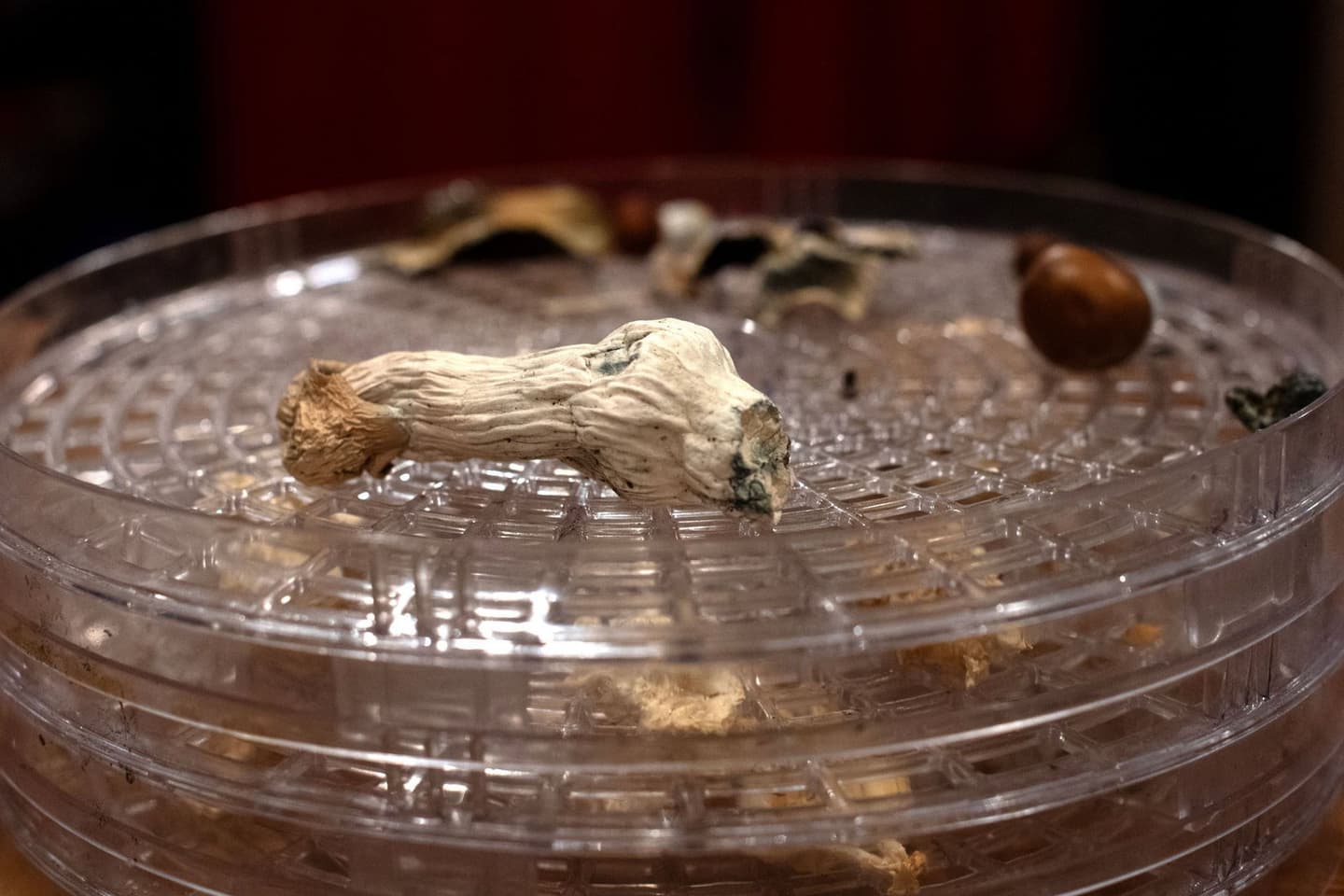
JASON CONNOLLY/AFP via Getty Images/Getty
Source Analysis




What Happened
What Happened
Where Sources Disagree
- arrows_outputRegulatory Pace: Regulatory officials emphasize careful advancement of psychedelic therapies due to inherent risks. In contrast, lawmakers urge expediting their review to address urgent mental health needs.
- arrows_outputPsilocybin Trial Interpretation: While some experts highlight the psilocybin trial's groundbreaking results for cocaine addiction, others emphasize its limitations due to small sample size and blinding challenges.
Timeline
May 8, 2026
Safety and study limitations: Investigators reported no serious treatment‑related adverse events and noted most adverse events occurred during sessions and resolved, but more AEs were seen in psilocybin recipients (13/20 vs 2/20); they cautioned that small sample size, blinding challenges, wide confidence intervals, reliance partly on self‑report, and limited generalizability require replication. The authors described the results as hypothesis‑generating and urged larger confirmatory trials before clinical translation.
May 8, 2026
Trial results reported: Published May 8, 2026, a randomized, quadruple‑blind trial of 40 adults with cocaine use disorder found psilocybin plus structured psychotherapy increased cocaine‑abstinent days and produced complete abstinence through 180 days in 30% of the psilocybin group versus 0% in the active‑placebo group (6 of 20 vs 0 of 20). The study showed reduced lapse risk (HR 0.28), higher abstinent‑day percentages (beta 28.95, P < .001), and other efficacy signals through day 180.
May 1, 2026
Congress urges FDA action: On May 1, 2026, a bipartisan letter signed by 32 House members urged FDA Commissioner Martin Makary to advance evaluation of rapid-acting novel therapeutics; more than two dozen lawmakers called for expedited review of mental health therapies like psychedelics. The correspondence was led by co-chairs of the Congressional Psychedelics Advancing Therapies Caucus.
Summary by Ground AI
Sources
See All 21A varied selection of sources chosen by Ground to reflect the diversity of this story’s coverage.
Most Written About
The stories getting the most coverage from the last 24 hours



Source Analysis
Timeline
May 8, 2026
Safety and study limitations: Investigators reported no serious treatment‑related adverse events and noted most adverse events occurred during sessions and resolved, but more AEs were seen in psilocybin recipients (13/20 vs 2/20); they cautioned that small sample size, blinding challenges, wide confidence intervals, reliance partly on self‑report, and limited generalizability require replication. The authors described the results as hypothesis‑generating and urged larger confirmatory trials before clinical translation.
May 8, 2026
Trial results reported: Published May 8, 2026, a randomized, quadruple‑blind trial of 40 adults with cocaine use disorder found psilocybin plus structured psychotherapy increased cocaine‑abstinent days and produced complete abstinence through 180 days in 30% of the psilocybin group versus 0% in the active‑placebo group (6 of 20 vs 0 of 20). The study showed reduced lapse risk (HR 0.28), higher abstinent‑day percentages (beta 28.95, P < .001), and other efficacy signals through day 180.
May 1, 2026
Congress urges FDA action: On May 1, 2026, a bipartisan letter signed by 32 House members urged FDA Commissioner Martin Makary to advance evaluation of rapid-acting novel therapeutics; more than two dozen lawmakers called for expedited review of mental health therapies like psychedelics. The correspondence was led by co-chairs of the Congressional Psychedelics Advancing Therapies Caucus.


