Sudan Army Says It Retakes Al Sadarat Highway Near El-Obeid
Khartoum, Sudan
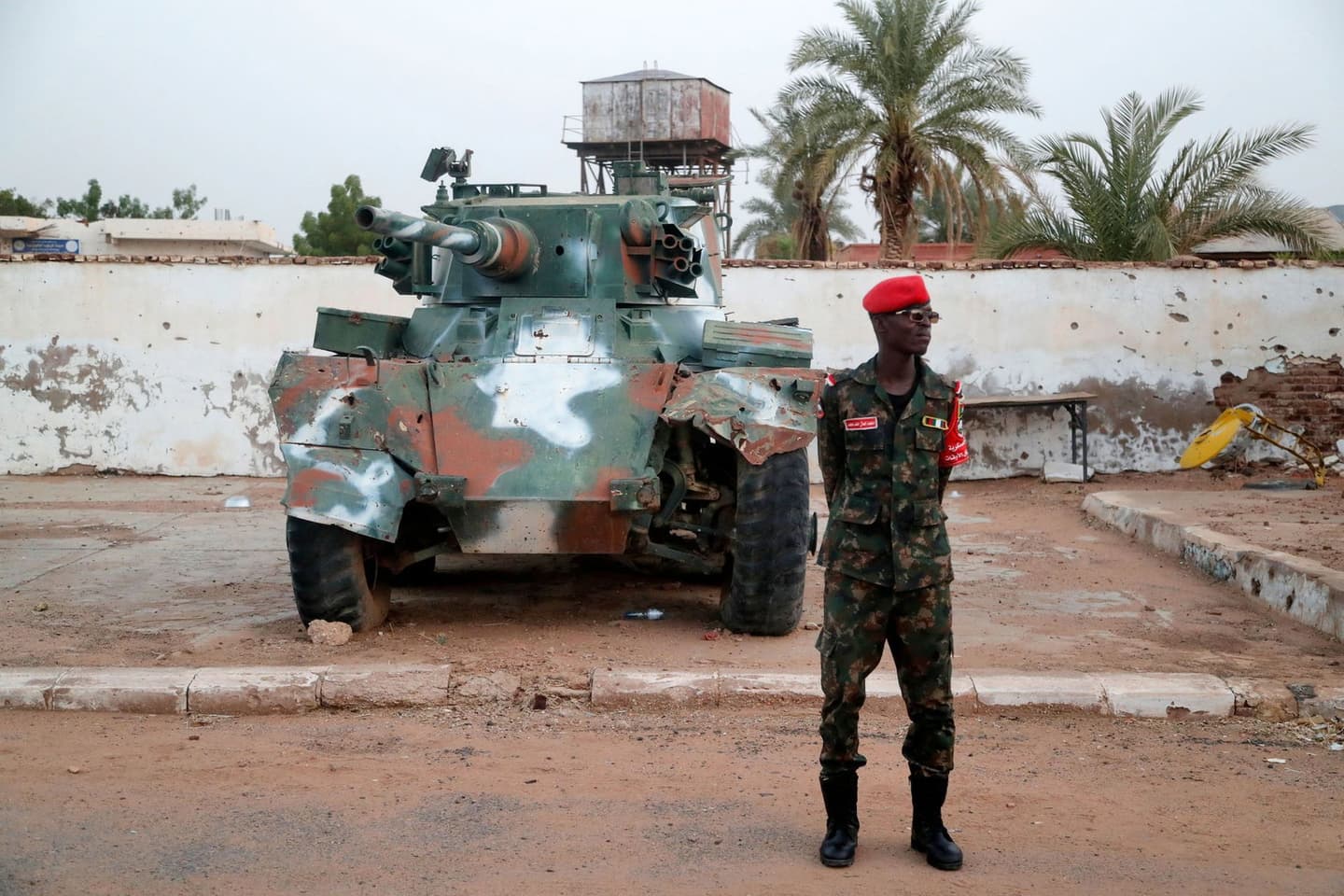
Ebrahim HAMID / AFP via Getty Images/Getty




What Happened
Key Implications
What Happened
Key Implications
Where Sources Agree
- arrows_inputHumanitarian Crisis in El-Obeid: A number of outlets note that approximately 500,000 civilians in the besieged city of El-Obeid face severe shortages of food, water, and fuel, according to UN humanitarian reports.
- arrows_inputWater Access Risks: Several outlets confirm that women in el-Obeid face daily drone strikes and nighttime sexual violence while attempting to collect water, leaving no safe time for the task, according to UN Women reports.
- arrows_inputStrategic Highway Recapture: Some outlets verify the Sudanese Armed Forces recaptured the 350-kilometer Al Sadarat highway and the towns of Bara and Um Sayala on Saturday, per the Sudanese Armed Forces.
Where Sources Disagree
- arrows_outputInfrastructure Damage Attribution: Some sources report that the Sudanese Armed Forces utilize civilian facilities like schools and hospitals as barracks, prompting RSF retaliation. However, other accounts emphasize that the Rapid Support Forces directly target critical civilian infrastructure, such as schools and power grids, through persistent drone strikes.
- arrows_outputHumanitarian Aid Diversion: U.N. humanitarian reports indicate that both the RSF and SAF have actively diverted food assistance earmarked for civilians. In contrast, the World Food Programme states that it diverted its own emergency stocks to address logistical constraints and supply shortages.
Timeline
July 26, 2026
Army Presence And UN Exchange Committee: By late July 2026 El Obeid was described as controlled by the army, with some 13,000 soldiers stationed there while RSF forces were deployed roughly 30 kilometres beyond the city; the government also formed a committee, under UN mediation, to document missing civilians and facilitate detainee exchanges. Sudanese officials and the UN envoy Pekka Haavisto were reported as involved in coordinating prisoner-exchange and documentation efforts.
July 24, 2026
UN Warns Water, Sexual Violence Crisis: On July 24, 2026 UN Women and the U.N. human rights office said civilians in El Obeid faced siege-like conditions with critical clean water shortages and relentless drone strikes, forcing women and girls to fetch water at night and exposing many to harassment, rape and other sexual violence. The U.N. highlighted that around 500,000 people remained in the city, about 70% women and children, and called for ceasefire and increased protection.
June 28, 2026
Intensified June Drone Strikes: In June 2026 the U.N. documented at least 15 RSF drone strikes over a three-week span that killed dozens, and specific attacks such as a June 28 strike and nearby fuel-tanker explosion caused multiple casualties and overwhelmed local hospitals. Strikes in June also destroyed fuel tanks, markets and electricity generators, worsening civilian hardship.
Perspectives and Debates
Summary by Ground AI
Sources
See All 53A varied selection of sources chosen by Ground to reflect the diversity of this story’s coverage.
Most Written About
The stories getting the most coverage from the last 24 hours






Timeline
July 26, 2026
Army Presence And UN Exchange Committee: By late July 2026 El Obeid was described as controlled by the army, with some 13,000 soldiers stationed there while RSF forces were deployed roughly 30 kilometres beyond the city; the government also formed a committee, under UN mediation, to document missing civilians and facilitate detainee exchanges. Sudanese officials and the UN envoy Pekka Haavisto were reported as involved in coordinating prisoner-exchange and documentation efforts.
July 24, 2026
UN Warns Water, Sexual Violence Crisis: On July 24, 2026 UN Women and the U.N. human rights office said civilians in El Obeid faced siege-like conditions with critical clean water shortages and relentless drone strikes, forcing women and girls to fetch water at night and exposing many to harassment, rape and other sexual violence. The U.N. highlighted that around 500,000 people remained in the city, about 70% women and children, and called for ceasefire and increased protection.
June 28, 2026
Intensified June Drone Strikes: In June 2026 the U.N. documented at least 15 RSF drone strikes over a three-week span that killed dozens, and specific attacks such as a June 28 strike and nearby fuel-tanker explosion caused multiple casualties and overwhelmed local hospitals. Strikes in June also destroyed fuel tanks, markets and electricity generators, worsening civilian hardship.


