Austria's Headscarf Ban for Girls Under 14 Takes Effect as Schools Reopen
Austria
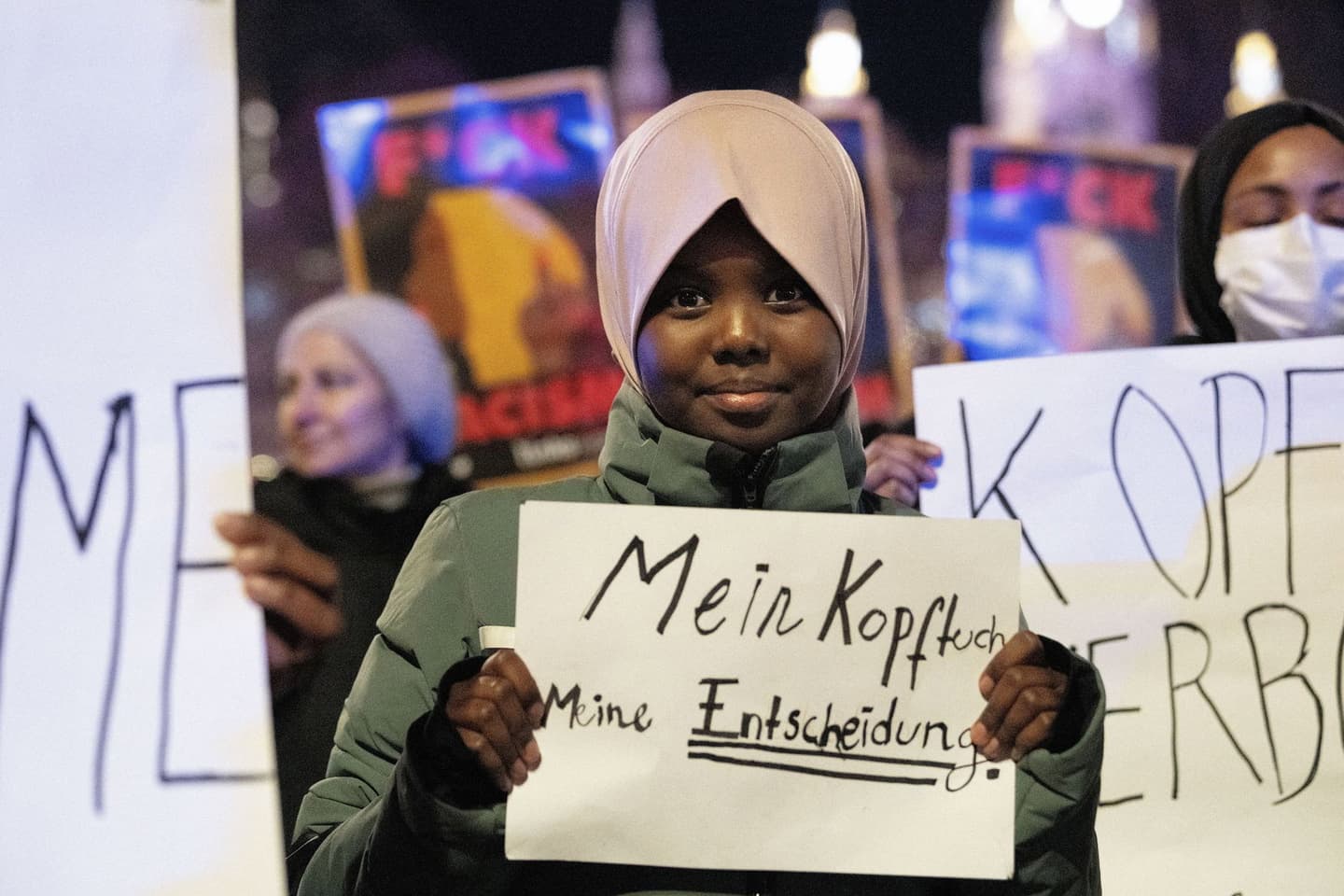
Joe Klamar / AFP via Getty Images/Getty
Source Analysis




What Happened
What Happened
Where Sources Agree
- arrows_inputEnforcement and Penalty Structure: All outlets cite that schools must hold discussions with students defying the headscarf ban for girls under 14, with repeated violations incurring fines ranging from €150 to €800, according to education ministry guidelines.
- arrows_inputRenewed Legal Challenge: Coverage documents confirm the Islamic Religious Community in Austria (IGGÖ) will challenge the new headscarf ban before the Constitutional Court, citing it as an infringement of fundamental rights, per the court's 2020 precedent that struck down a previous policy for religious discrimination.
Where Sources Disagree
- arrows_outputLegislation Intent Framing: The Austrian government maintains the school headscarf ban protects girls' freedom and promotes gender equality, while critics contend the measure is discriminatory and risks fueling social division by singling out a specific religious practice.
- arrows_outputHeadscarf Ban Enforcement: Government policy dictates that teachers enforce the new headscarf ban by addressing violations with students and their guardians. However, some educators have voiced concerns about this directive, with some individual teachers indicating they do not plan to comply with the enforcement requirements.
Timeline
September 7, 2026
Ban Takes Effect As Schools Reopen: As pupils returned to classrooms in September, the new ban on headscarves for girls under 14 came into force nationwide; schools are required to hold talks with pupils and guardians, inform provincial education authorities on repeat breaches and can ultimately impose fines of €150–€800, while Muslim organisations and rights groups said they would challenge the measure and criticised its potential to deepen divisions.
July 2026
Court Rejects Early Challenges: The Constitutional Court rejected applications in July because challengers were not yet directly affected while groups representing Muslims vowed to support families in bringing future constitutional challenges once the law was in force.
March 2026
Education Ministry Issues Guidance: In March the education ministry sent schools detailed instructions and forms for enforcing the law, including illustrations of different Islamic head coverings and procedures requiring teachers to report violations and prompt meetings with school administration and guardians.
Perspectives and Debates
Is Austria's under-14 school headscarf ban a popular measure or a religious-freedom violation?
Summaries by Ground AI
Sources
See All 90Most Written About
The stories getting the most coverage from the last 24 hours




Source Analysis
Timeline
September 7, 2026
Ban Takes Effect As Schools Reopen: As pupils returned to classrooms in September, the new ban on headscarves for girls under 14 came into force nationwide; schools are required to hold talks with pupils and guardians, inform provincial education authorities on repeat breaches and can ultimately impose fines of €150–€800, while Muslim organisations and rights groups said they would challenge the measure and criticised its potential to deepen divisions.
July 2026
Court Rejects Early Challenges: The Constitutional Court rejected applications in July because challengers were not yet directly affected while groups representing Muslims vowed to support families in bringing future constitutional challenges once the law was in force.
March 2026
Education Ministry Issues Guidance: In March the education ministry sent schools detailed instructions and forms for enforcing the law, including illustrations of different Islamic head coverings and procedures requiring teachers to report violations and prompt meetings with school administration and guardians.


