Federal Appeals Court Sets Rare Sunday Hearing in DOJ California Voting Case
California, US
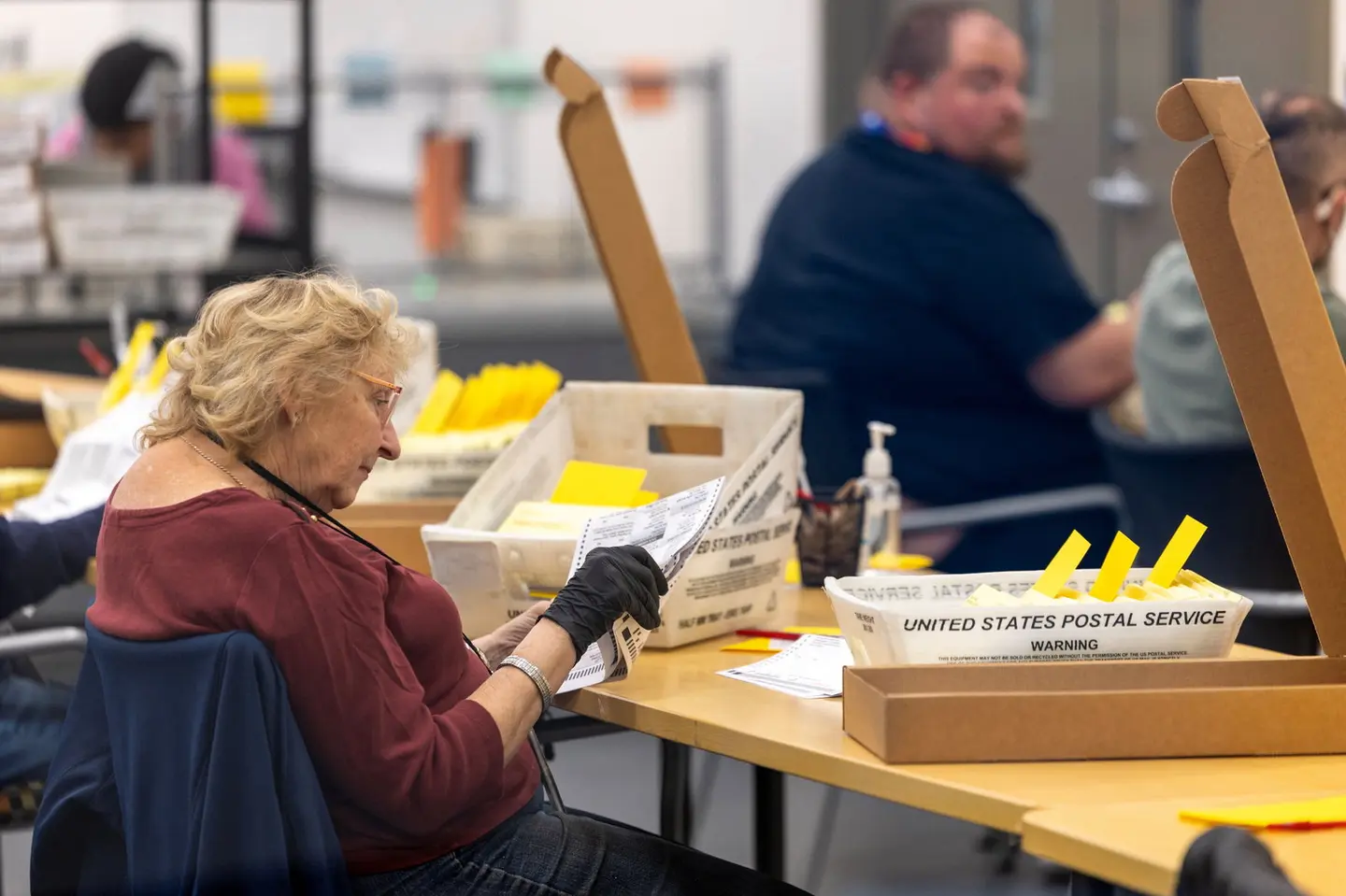
Mike Blake/Reuters
Source Analysis




What Happened
What Happened
Where Sources Agree
- arrows_input9th Circuit Panel Skepticism: Most accounts emphasize that a 9th Circuit panel expressed significant skepticism toward the Department of Justice's emergency request to segregate 20,000 California ballots, questioning both the court's jurisdiction and the constitutionality of federal intervention in state election procedures, according to court proceedings.
- arrows_inputAppeals Court Skepticism: Predominant reporting shows a 9th Circuit Court of Appeals panel expressed significant skepticism regarding the Justice Department’s emergency request to segregate 20,000 ballots flagged as potential non-citizens; judges questioned both the court's jurisdiction and the constitutionality of the federal intervention in state election procedures.
Where Sources Disagree
- arrows_outputVoter List Reliability: While the Department of Justice maintains its list of 20,000 flagged voters is reliable and derived from a rigorous process, California election officials argue the data is unverified, outdated, and includes lawful voters, dismissing the federal challenge as a baseless attempt to disrupt the electoral process.
- arrows_outputBallot Segregation Impact: The Department of Justice argues that segregating 20,000 mail-in ballots is necessary to prevent irreparable harm from potential noncitizen voting; however, California officials contend such a mandate would be catastrophically disruptive to election operations and could disenfranchise legitimate voters.
Timeline
October 27, 2026 Upcoming
District hearing set; appeal unresolved: A district judge had scheduled an emergency hearing for October 27, 2026, but the DOJ's surprise appeal moved the matter to the 9th Circuit first; the appellate panel declined to rule on Sunday and a decision was expected soon as the lower-court proceeding remained scheduled.
October 25, 2026
Panel questions evidence reliability: Two of the panel's judges—Mark Bennett and Gabriel Sanchez—expressed significant skepticism about the DOJ's jurisdictional and constitutional arguments and the reliability of the administration's 20,000-person list, while Los Angeles officials reported a preliminary review of 200 names showing nearly 40% born in the U.S. and 71.2% with no voting history.
October 25, 2026
Rare Sunday appeals hearing: The 9th U.S. Circuit Court of Appeals convened a rare Sunday videoconference (held Oct. 25, 2026) to hear the DOJ's emergency appeal seeking to bar counting of the flagged ballots; the three-judge panel heard hour-long arguments but did not issue a ruling at the close of the session.
Summary by Ground AI
Sources
See All 193A varied selection of sources chosen by Ground to reflect the diversity of this story’s coverage.
Most Written About
The stories getting the most coverage from the last 24 hours





Source Analysis
Timeline
October 27, 2026 Upcoming
District hearing set; appeal unresolved: A district judge had scheduled an emergency hearing for October 27, 2026, but the DOJ's surprise appeal moved the matter to the 9th Circuit first; the appellate panel declined to rule on Sunday and a decision was expected soon as the lower-court proceeding remained scheduled.
October 25, 2026
Panel questions evidence reliability: Two of the panel's judges—Mark Bennett and Gabriel Sanchez—expressed significant skepticism about the DOJ's jurisdictional and constitutional arguments and the reliability of the administration's 20,000-person list, while Los Angeles officials reported a preliminary review of 200 names showing nearly 40% born in the U.S. and 71.2% with no voting history.
October 25, 2026
Rare Sunday appeals hearing: The 9th U.S. Circuit Court of Appeals convened a rare Sunday videoconference (held Oct. 25, 2026) to hear the DOJ's emergency appeal seeking to bar counting of the flagged ballots; the three-judge panel heard hour-long arguments but did not issue a ruling at the close of the session.


