Moscow Gas Stations Reintroduce Fuel Limits Amid Renewed Shortages
Russia
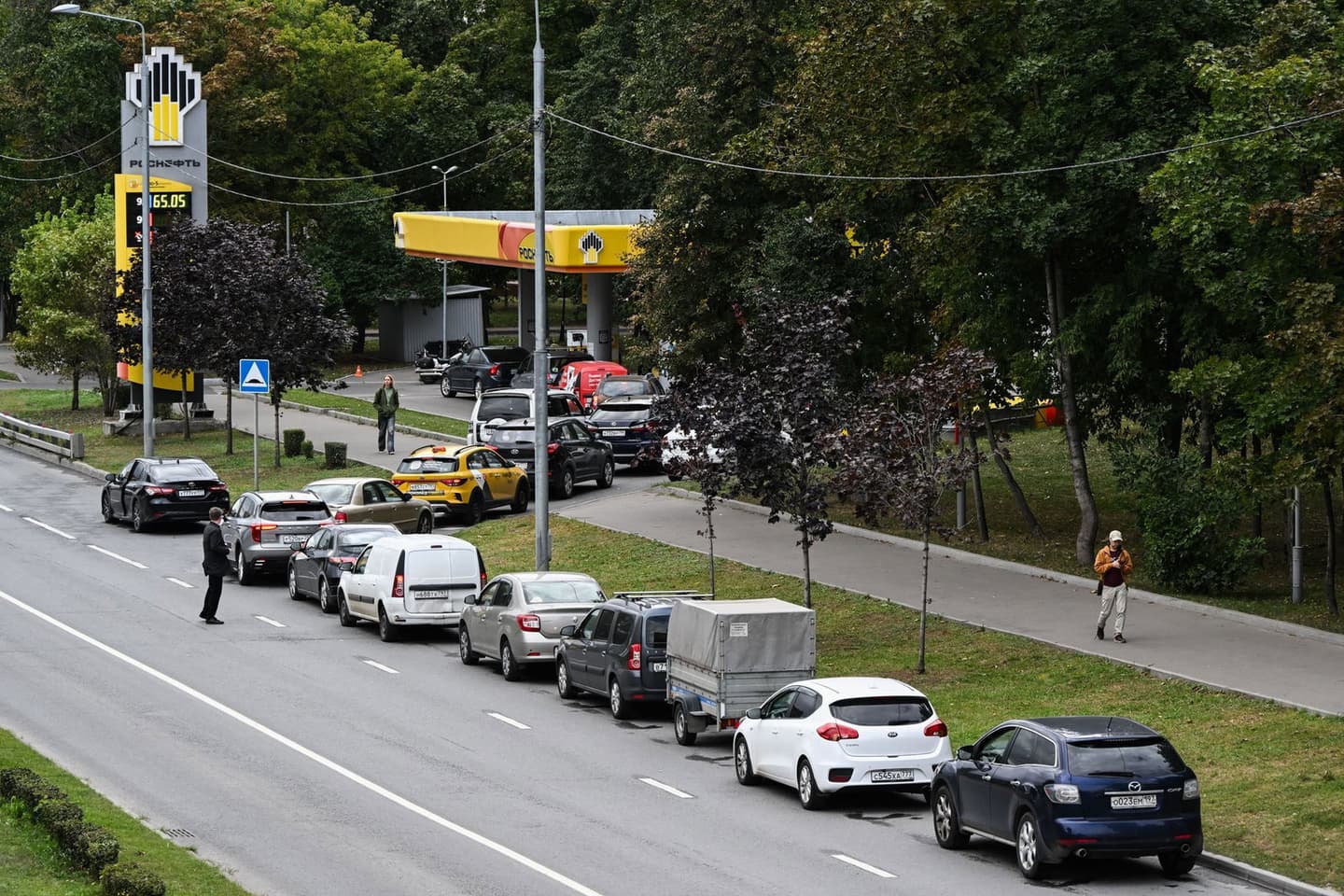
Igor IVANKO / AFP via Getty Images/Getty




What Happened
Key Implications
What Happened
Key Implications
Where Sources Agree
- arrows_inputMoscow Fuel Purchase Limits: Most sources document that major Russian fuel chains, including Gazprom Neft, Tatneft, and Rosneft, have reinstated purchase limits of 30 to 60 liters per vehicle at Moscow gas stations, according to company hotlines and Reuters reporting.
- arrows_inputMoscow Fuel Rationing Returns: Outlets generally confirm that Moscow gas stations have reintroduced fuel purchase limits amid renewed shortages, as Ukrainian drone attacks and refinery shutdowns continue to constrain domestic supply, according to Reuters and S&P Global analysis.
Where Sources Disagree
- arrows_outputGas Station Fuel Availability: Russian energy officials maintain that fuel supplies remain available at filling stations, attributing current delays to logistical bottlenecks. In contrast, residents and independent reports describe widespread shortages, claiming that gasoline is frequently unavailable and impossible to find at many locations across the country.
- arrows_outputFuel Supply Delay Attribution: Energy companies cite unscheduled refinery maintenance as the primary cause of fuel supply delays. In contrast, multiple reports attribute the shortages directly to the impact of Ukrainian drone attacks on Russian oil infrastructure.
- arrows_outputFuel Crisis Stabilization Disputed: Russian government officials claim the fuel market is showing signs of stabilization, whereas media reports and market data describe a deepening 'second wave' of fuel shortages characterized by restricted sales and queues.
Timeline
August 17, 2026
Rationing reintroduced in August: Following renewed disruptions and fresh drone strikes in August, major Moscow gas‑station chains reimposed purchase caps (Gazprom Neft automated stations 40 liters per customer and 60 liters per vehicle elsewhere; Tatneft 50 liters petrol/60 liters diesel; Rosneft 30 liters per vehicle), and several regions reinstated other rationing measures. The limits accompanied long queues and reports of scarce grades like AI‑95 across the capital region.
August 16, 2026
Scale and market impact reported: Crowdsourced tracking showed fuel available at only about 28% of filling stations on Aug. 16, Reuters and others estimated roughly 50 million Russians were affected, and authorities moved to mitigate the shortfall by banning exports and increasing imports (including recent shipments from India and Morocco). Wholesale output declines and export disruptions further strained the domestic market.
July 31, 2026
Brief late‑July improvement: At the end of July the government introduced measures—banning gasoline and diesel exports, relaxing quality requirements and increasing imports—that temporarily improved supplies and reduced some restrictions at stations. However, analysts warned the recovery was partial and still left refining volumes well below seasonal norms.
Perspectives and Debates
Should Russia's fuel crisis be interpreted primarily as a supply-chain failure or a political repressive tool?
Summary by Ground AI
Sources
See All 90A varied selection of sources chosen by Ground to reflect the diversity of this story’s coverage.
Most Written About
The stories getting the most coverage from the last 24 hours



Timeline
August 17, 2026
Rationing reintroduced in August: Following renewed disruptions and fresh drone strikes in August, major Moscow gas‑station chains reimposed purchase caps (Gazprom Neft automated stations 40 liters per customer and 60 liters per vehicle elsewhere; Tatneft 50 liters petrol/60 liters diesel; Rosneft 30 liters per vehicle), and several regions reinstated other rationing measures. The limits accompanied long queues and reports of scarce grades like AI‑95 across the capital region.
August 16, 2026
Scale and market impact reported: Crowdsourced tracking showed fuel available at only about 28% of filling stations on Aug. 16, Reuters and others estimated roughly 50 million Russians were affected, and authorities moved to mitigate the shortfall by banning exports and increasing imports (including recent shipments from India and Morocco). Wholesale output declines and export disruptions further strained the domestic market.
July 31, 2026
Brief late‑July improvement: At the end of July the government introduced measures—banning gasoline and diesel exports, relaxing quality requirements and increasing imports—that temporarily improved supplies and reduced some restrictions at stations. However, analysts warned the recovery was partial and still left refining volumes well below seasonal norms.


