NOAA Says El Niño Is Strengthening Toward Very Strong Event
New Zealand
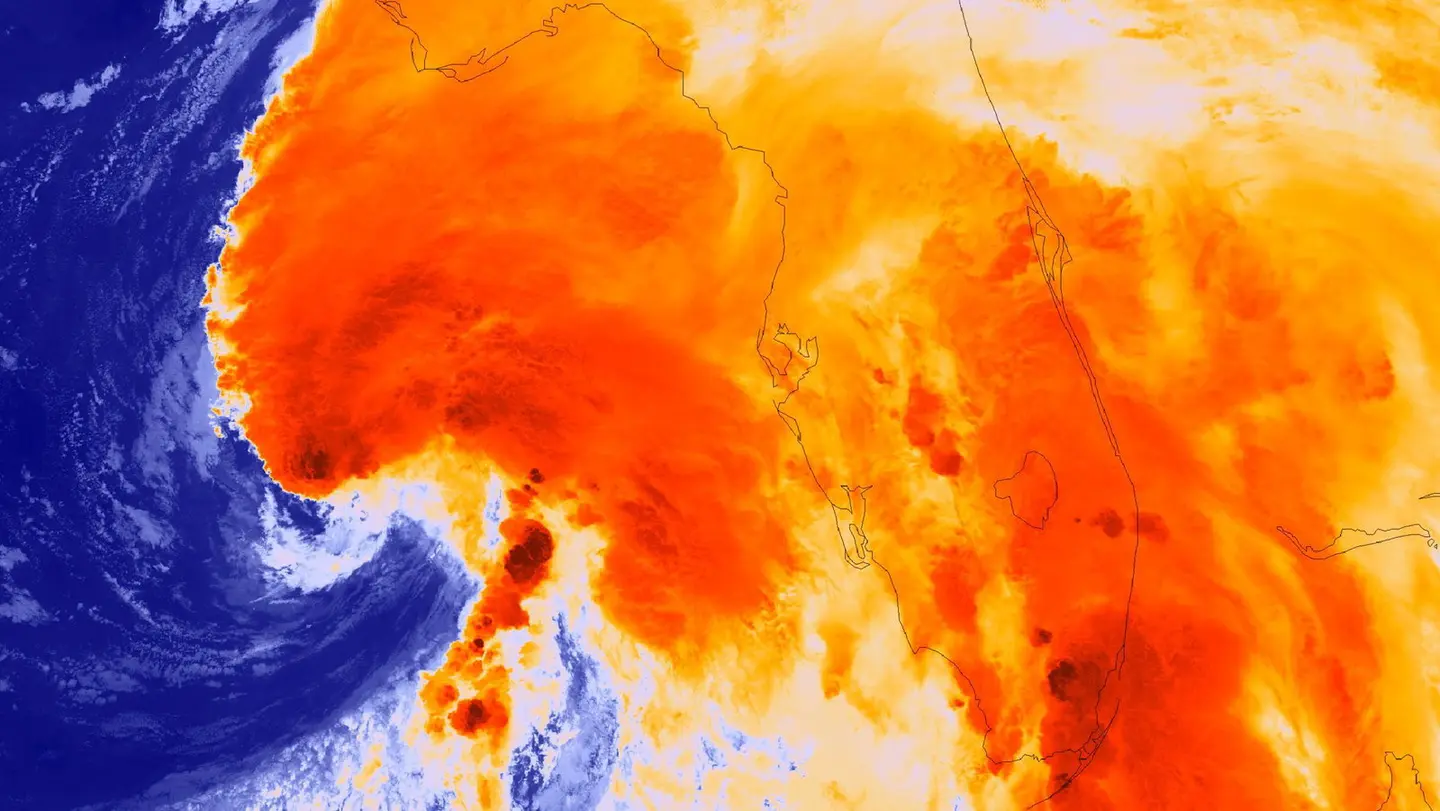
NASA NASA/Reuters
Source Analysis




What Happened
Key Implications
What Happened
Key Implications
Where Sources Agree
- arrows_inputHistoric El Niño Forecast: Reports broadly predict this El Niño will become the strongest event in 150 years of record-keeping, with model medians forecasting a peak temperature approximately 0.8°C higher than the 2015-2016 record, according to Berkeley Earth analysis and NOAA forecast ensembles.
- arrows_inputEl Niño Temperature Projections: Sources across outlets confirm the strengthening El Niño will provide an extra boost to global temperatures, potentially pushing the planet's average to 1.7°C above pre-industrial levels by 2027, according to Berkeley Earth climate projections.
- arrows_inputEl Niño Timeline and Persistence: Outlets concur that the current El Niño event is strengthening toward a very strong peak between November 2026 and January 2027, with a 97 percent probability that conditions will persist through at least April 2027, according to data from the National Oceanic and Atmospheric Administration.
Where Sources Disagree
- arrows_outputSuper El Niño Classification: While many researchers and media outlets adopt the informal 'Super El Niño' label to describe the event's intensity, the National Oceanic and Atmospheric Administration (NOAA) explicitly avoids this terminology, preferring to classify the phenomenon as 'very strong.'
- arrows_outputEl Niño Strength Thresholds: NOAA classifies events with 1.8°C anomalies as strong and 2.3°C as very strong, while other meteorologists use the informal "super" label for events exceeding 2°C.
- arrows_outputIntensity Forecasting Certainty: Many climate models and researchers project the current El Niño is on track to be the strongest event on record. However, other experts emphasize the chaotic nature of the climate system, cautioning that long-term forecasting remains uncertain and that historical patterns do not guarantee future peak intensity.
Timeline
2027 Upcoming
Projected Global and Economic Impacts: Scientists and economists warned the strengthening El Niño could push global temperatures higher (with model-based projections pointing to large temperature spikes in 2026–27 and up to 1.7°C above preindustrial in 2027) and drive substantial economic losses—estimates included multi‑trillion‑dollar long‑term impacts and near‑term insured and uninsured disaster costs.
July 30, 2026
NOAA Raises Forecast Confidence: NOAA issued advisories giving a high probability that El Niño would become "very strong," assigning multi-month chances (including an 81% chance for Oct–Dec) and indicating persistence of El Niño conditions into early 2027. NOAA scientists also noted tighter atmosphere–ocean coupling that typically supports further intensification.
July 23, 2026
Models Forecast Record Peak: Multi-model analyses (including 14-model and larger ensembles) showed the median forecast for peak Niño 3.4 temperatures was far above previous records—model averages suggest a possible peak near +3.6°C, about 0.8°C higher than the 2015–16 record. Analysts warned the event could become the strongest in the modern record if models hold.
Perspectives and Debates
Can the 2026 El Niño forecast reliably predict specific regional weather outcomes?
Summary by Ground AI
Sources
See All 81A varied selection of sources chosen by Ground to reflect the diversity of this story’s coverage.
Most Written About
The stories getting the most coverage from the last 24 hours







Source Analysis
Timeline
2027 Upcoming
Projected Global and Economic Impacts: Scientists and economists warned the strengthening El Niño could push global temperatures higher (with model-based projections pointing to large temperature spikes in 2026–27 and up to 1.7°C above preindustrial in 2027) and drive substantial economic losses—estimates included multi‑trillion‑dollar long‑term impacts and near‑term insured and uninsured disaster costs.
July 30, 2026
NOAA Raises Forecast Confidence: NOAA issued advisories giving a high probability that El Niño would become "very strong," assigning multi-month chances (including an 81% chance for Oct–Dec) and indicating persistence of El Niño conditions into early 2027. NOAA scientists also noted tighter atmosphere–ocean coupling that typically supports further intensification.
July 23, 2026
Models Forecast Record Peak: Multi-model analyses (including 14-model and larger ensembles) showed the median forecast for peak Niño 3.4 temperatures was far above previous records—model averages suggest a possible peak near +3.6°C, about 0.8°C higher than the 2015–16 record. Analysts warned the event could become the strongest in the modern record if models hold.


