Lindsay Clancy Trial Nears Closings as Experts Clash Over Criminal Responsibility
Duxbury, US
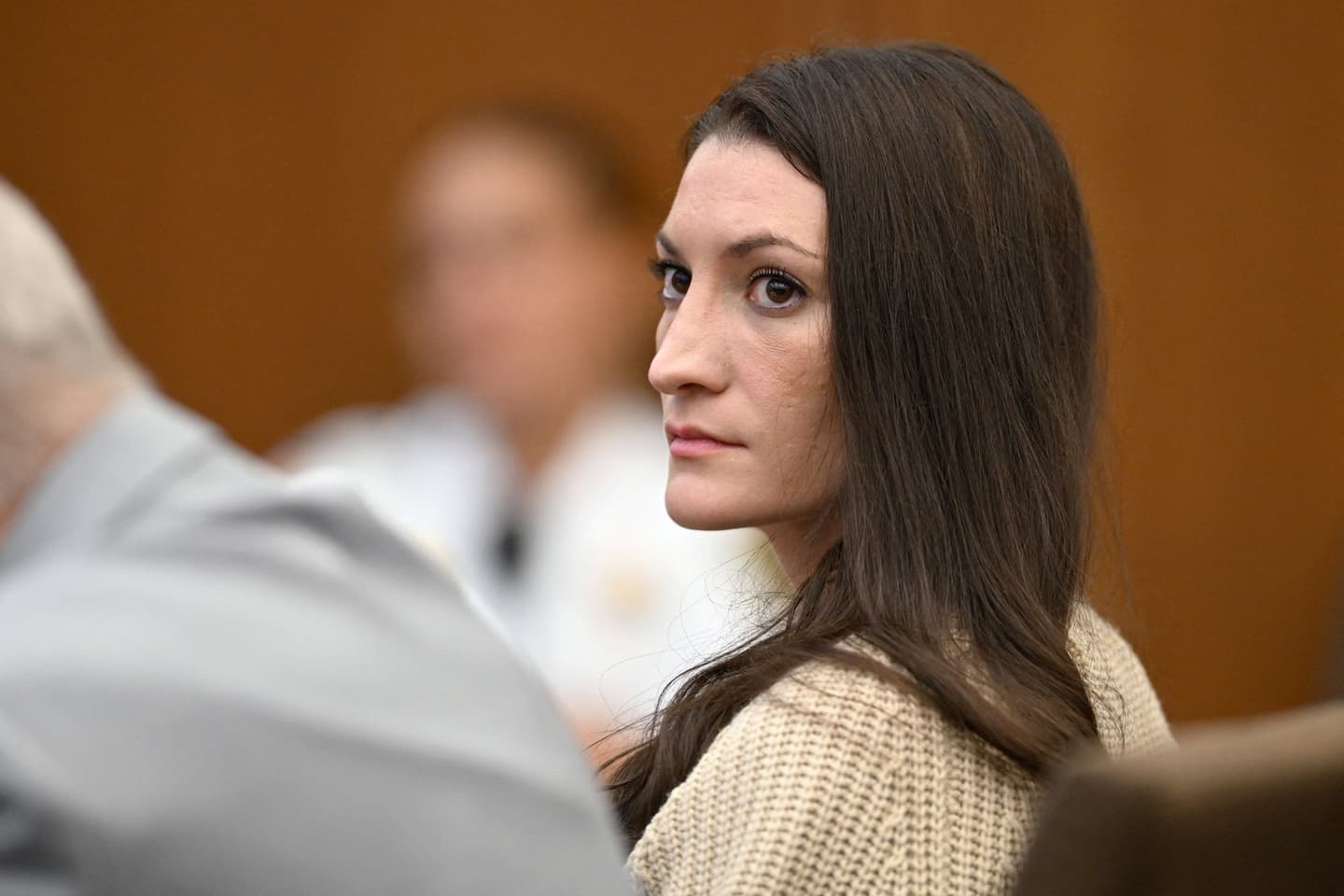
Josh Reynolds/Reuters
Source Analysis




What Happened
Key Implications
What Happened
Key Implications
Where Sources Agree
- arrows_inputDisputed Criminal Responsibility: Reporting predominantly indicates that prosecution experts argue Clancy was criminally responsible for the 2023 killings, maintaining she retained the capacity to understand the wrongfulness of her actions despite defense claims of postpartum psychosis, according to expert testimony presented at trial.
- arrows_inputMental State in Dispute: Outlets generally confirm that while the defense and prosecution agree Lindsay Clancy killed her three children, the trial centers on conflicting expert testimony regarding her mental state and criminal responsibility, according to court filings and testimony.
Where Sources Disagree
- arrows_outputCriminal Responsibility Disputed: Defense experts argue Clancy should not be held criminally responsible, citing postpartum psychosis that left her unable to understand her actions. In contrast, prosecution experts contend she was not psychotic and remained criminally responsible, asserting she understood the wrongfulness of killing her children.
- arrows_outputValidity of Hallucination Claim: Defense experts argue that Clancy suffered from postpartum psychosis and heard command hallucinations ordering her to kill her children, rendering her unable to appreciate the wrongfulness of her actions. In contrast, prosecution experts contend that her account of the voices is inconsistent, unconvincing, and atypical for true psychotic episodes.
- arrows_outputClancy's Psychiatric Diagnosis: Prosecution experts offer conflicting diagnoses regarding Lindsay Clancy’s mental state: Dr. Kirk Heilbrun testified she suffered from bipolar 2 disorder, while Dr. Avram Mack concluded she had major depressive disorder.
Timeline
August 26, 2026
Mistrial Denied; Trial Nears Close: The judge denied the defense’s mistrial motion over religious testimony and admonished the jury; testimony was expected to finish with final rebuttal witnesses and closing arguments as early as Thursday, with jury deliberations to follow. The court moved toward wrapping testimony and proceeding to closing arguments.
August 25, 2026
Prosecution Rebuttals Challenge Psychosis: In late August 2026 prosecutors called rebuttal experts — including Drs. Avram Mack, Kirk Heilbrun and Gregory Saathoff — who testified they found no convincing evidence of an ongoing psychotic command hallucination and, in Heilbrun’s and others’ opinions, concluded Clancy retained awareness and was criminally responsible. Saathoff specifically questioned Clancy’s account of hearing a voice on the night of the killings.
August 24, 2026
Defense: Postpartum Psychosis Claim: The defense argued Clancy shouldn’t be criminally responsible because she was suffering from postpartum psychosis and bipolar disorder, calling forensic psychiatrist Dr. Phillip Resnick as a final defense witness before resting. The defense presented evidence of Clancy’s mental-health struggles and treatment history dating to late 2022.
Perspectives and Debates
Is the Clancy case best understood as a legal dispute over criminal responsibility or as a mental-health-system failure?
Summaries by Ground AI
Sources
See All 302Most Written About
The stories getting the most coverage from the last 24 hours


Source Analysis
Timeline
August 26, 2026
Mistrial Denied; Trial Nears Close: The judge denied the defense’s mistrial motion over religious testimony and admonished the jury; testimony was expected to finish with final rebuttal witnesses and closing arguments as early as Thursday, with jury deliberations to follow. The court moved toward wrapping testimony and proceeding to closing arguments.
August 25, 2026
Prosecution Rebuttals Challenge Psychosis: In late August 2026 prosecutors called rebuttal experts — including Drs. Avram Mack, Kirk Heilbrun and Gregory Saathoff — who testified they found no convincing evidence of an ongoing psychotic command hallucination and, in Heilbrun’s and others’ opinions, concluded Clancy retained awareness and was criminally responsible. Saathoff specifically questioned Clancy’s account of hearing a voice on the night of the killings.
August 24, 2026
Defense: Postpartum Psychosis Claim: The defense argued Clancy shouldn’t be criminally responsible because she was suffering from postpartum psychosis and bipolar disorder, calling forensic psychiatrist Dr. Phillip Resnick as a final defense witness before resting. The defense presented evidence of Clancy’s mental-health struggles and treatment history dating to late 2022.


