Reuters: U.S. Used 'Virtually All' Long-Range Missiles in Iran War
United States
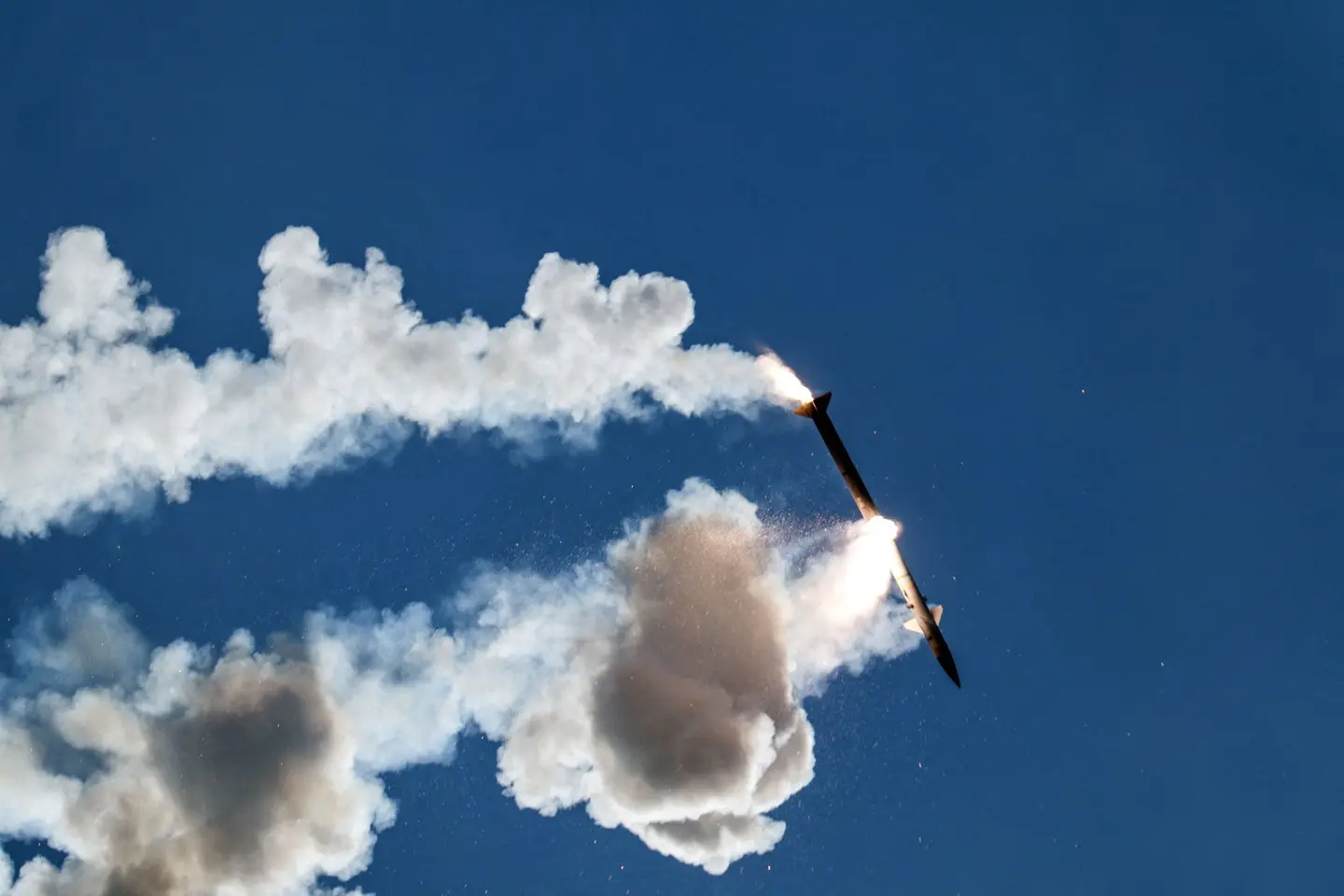
Amir Cohen/Reuters




What Happened
Key Implications
What Happened
Key Implications
Where Left Sources Focus
- Readiness and Deterrence Risks: Progressive sources emphasize concerns that significant depletion of ATACMS and PrSM stockpiles hampers the U.S. ability to deter adversaries. Citing military analysts and unnamed sources, reports suggest that falling supplies limit readiness for potential future engagements with major rivals like China and Russia.
- Congressional War Authorization: Left-leaning coverage critiques the lack of congressional authorization for the Iran conflict. Reports highlight that President Trump launched joint airstrikes with Israel without submitting a declaration of war or an authorization to use military force to Congress, sparking debate regarding executive authority.
Where Center Sources Focus
- Strategic Operational Trade-offs: Center-aligned outlets explain the high missile usage rate as a deliberate decision by the Trump administration to avoid riskier attack methods. Citing Pentagon sources, reporting notes that officials prioritized using missiles to strike targets rather than risking piloted aircraft against anti-aircraft threats.
- Defensive Weapon Inventory: Center media feature detailed reporting on the depletion of defensive interceptors and naval cruise missiles. Citing data from CSIS and military sources, articles highlight that 65% of Patriot interceptors and significant portions of THAAD and Tomahawk supplies have been expended during the conflict.
What's Largely Absent from Each Side
- Left sources rarely mention: Left-leaning sources rarely mention the strategic rationale for prioritizing missile strikes over piloted aircraft, which center outlets characterize as a necessary trade-off to minimize risk to pilots during the conflict.
- Center sources rarely mention: Center coverage largely omits the controversy surrounding the lack of congressional authorization for the conflict, while left-leaning sources detail the absence of war declarations or military force authorizations submitted to Congress.
Rare Agreement
- Stockpile Depletion Realities: Despite divergent focuses, both left and center sources confirm the significant depletion of U.S. long-range missile stockpiles. Reports across the spectrum agree that 'virtually all' ATACMS and Precision Strike Missiles have been utilized during the conflict in Iran, raising questions about military readiness.
Timeline
August 5, 2026
Operational impact and responses: Reporting and officials said commanders began rationing interceptors and selectively defending against Iranian strikes, decisions that influenced President Trump's pauses on further massive attacks; the administration sought supplemental funding and industry ramp‑ups while analysts warned restocking could take into 2027. The disclosures prompted White House and Pentagon pushback even as production expansion plans were discussed.
August 4, 2026
Reuters: Long‑range missiles exhausted: On August 4, 2026 Reuters reported that the U.S. Army had used up much of its ATACMS and PrSM long‑range missile stocks—two sources said 'virtually all' had been expended—raising concerns about readiness for future conflicts. The report highlighted the strategic value and cost (over $1 million each) of these weapons and the implications of their depletion.
July 26, 2026
Campaign reaches five months: Officials and commentators noted the campaign had reached about five months, prompting public exchanges over whether U.S. stockpiles were adequate; U.N. Ambassador Mike Waltz publicly insisted forces were prepared while disputing reports of shortages. The five‑month mark intensified scrutiny of logistics and strategy.
Summaries by Ground AI
Sources
See All 226Most Written About
The stories getting the most coverage from the last 24 hours


Timeline
August 5, 2026
Operational impact and responses: Reporting and officials said commanders began rationing interceptors and selectively defending against Iranian strikes, decisions that influenced President Trump's pauses on further massive attacks; the administration sought supplemental funding and industry ramp‑ups while analysts warned restocking could take into 2027. The disclosures prompted White House and Pentagon pushback even as production expansion plans were discussed.
August 4, 2026
Reuters: Long‑range missiles exhausted: On August 4, 2026 Reuters reported that the U.S. Army had used up much of its ATACMS and PrSM long‑range missile stocks—two sources said 'virtually all' had been expended—raising concerns about readiness for future conflicts. The report highlighted the strategic value and cost (over $1 million each) of these weapons and the implications of their depletion.
July 26, 2026
Campaign reaches five months: Officials and commentators noted the campaign had reached about five months, prompting public exchanges over whether U.S. stockpiles were adequate; U.N. Ambassador Mike Waltz publicly insisted forces were prepared while disputing reports of shortages. The five‑month mark intensified scrutiny of logistics and strategy.


