U.S., Canada Move Closer to Deal on Steel and Auto Tariffs
Canada
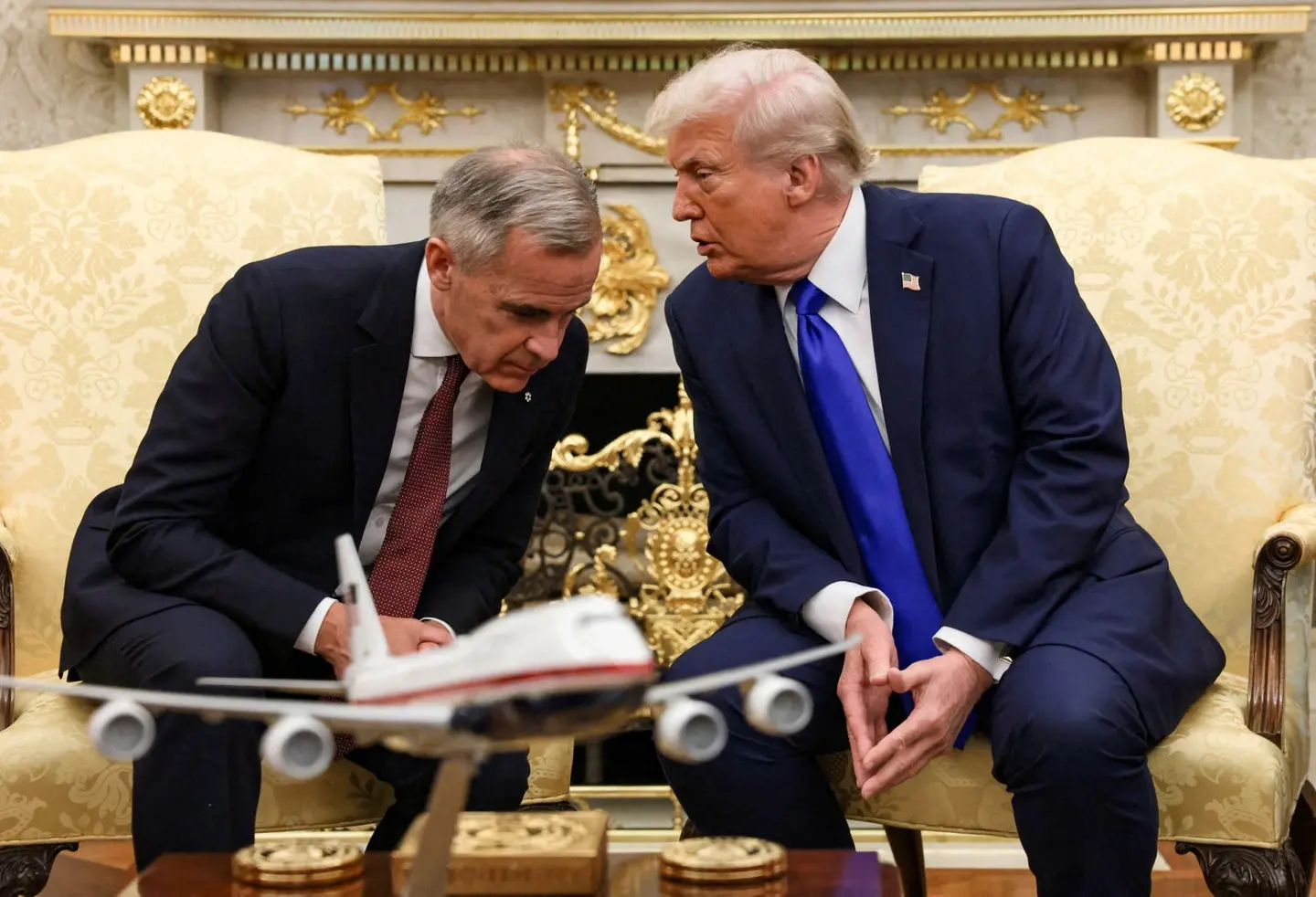
Evelyn Hockstein/Reuters




What Happened
Key Implications
What Happened
Key Implications
Where Sources Agree
- arrows_inputPolitical Drivers of Trade Negotiations: Coverage broadly details that trade negotiations are intensifying ahead of the November 3 midterm elections because existing tariffs have become a political liability for President Trump amid a 32% approval rating, according to multiple reports.
- arrows_inputSection 232 Tariff Negotiations: A number of outlets note that current trade talks focus on Section 232 tariffs—including a 50 percent levy on steel and a 25 percent tariff on autos—with the Commerce Department administering negotiations, according to official sources.
- arrows_inputIntensified Trade Dialogue: A portion of reporting indicates that U.S. and Canadian officials are engaged in constructive, intensified dialogue at the political level, though formal negotiations have not yet resumed, according to multiple reports.
Where Sources Disagree
- arrows_outputTrade Deal Timeline: While some sources suggest a trade deal on steel and auto tariffs is possible before the November 3 elections, others emphasize that key elements remain unresolved and the countries are not on the verge of an agreement just yet.
- arrows_outputTrade Deal Scope: Some reports indicate ongoing efforts between the U.S. and Canada to finalize a deal easing steel and auto tariffs. In contrast, other industry sources caution that any potential agreement is likely to be narrow in scope.
Timeline
November 3, 2026 Upcoming
Narrow Deal Possible Before Midterms: Sources from both countries said a narrowed deal to ease Section 232 tariffs on steel and autos could be possible before the Nov. 3 midterm elections, with proposals discussed including a permanent 15% levy on non‑U.S. auto content but requiring multiple U.S. concessions.
October 26, 2026
Selective Tariff Lifts Announced: In the days before the midterms the White House exempted and removed 50% tariffs on a set of Canadian goods—including corrugated paper, plastic boxes and certain agricultural and forestry products—moves tied to helping Senator Susan Collins’s re-election and described by officials as politically timed.
October 26, 2026
Political-Level Talks Intensify: By Oct. 26 multiple sources and Canadian officials said discussions had ‘‘slight intensification’’ at the political level, with Canada standing ready to continue talks while formal, detailed negotiations had not yet resumed and trade ministers remained in contact.
Summary by Ground AI
Sources
See All 34A varied selection of sources chosen by Ground to reflect the diversity of this story’s coverage.
Most Written About
The stories getting the most coverage from the last 24 hours


Timeline
November 3, 2026 Upcoming
Narrow Deal Possible Before Midterms: Sources from both countries said a narrowed deal to ease Section 232 tariffs on steel and autos could be possible before the Nov. 3 midterm elections, with proposals discussed including a permanent 15% levy on non‑U.S. auto content but requiring multiple U.S. concessions.
October 26, 2026
Selective Tariff Lifts Announced: In the days before the midterms the White House exempted and removed 50% tariffs on a set of Canadian goods—including corrugated paper, plastic boxes and certain agricultural and forestry products—moves tied to helping Senator Susan Collins’s re-election and described by officials as politically timed.
October 26, 2026
Political-Level Talks Intensify: By Oct. 26 multiple sources and Canadian officials said discussions had ‘‘slight intensification’’ at the political level, with Canada standing ready to continue talks while formal, detailed negotiations had not yet resumed and trade ministers remained in contact.


