Europa Clipper and Hera Set to Sample Ion Tail of Interstellar Comet 3I/ATLAS
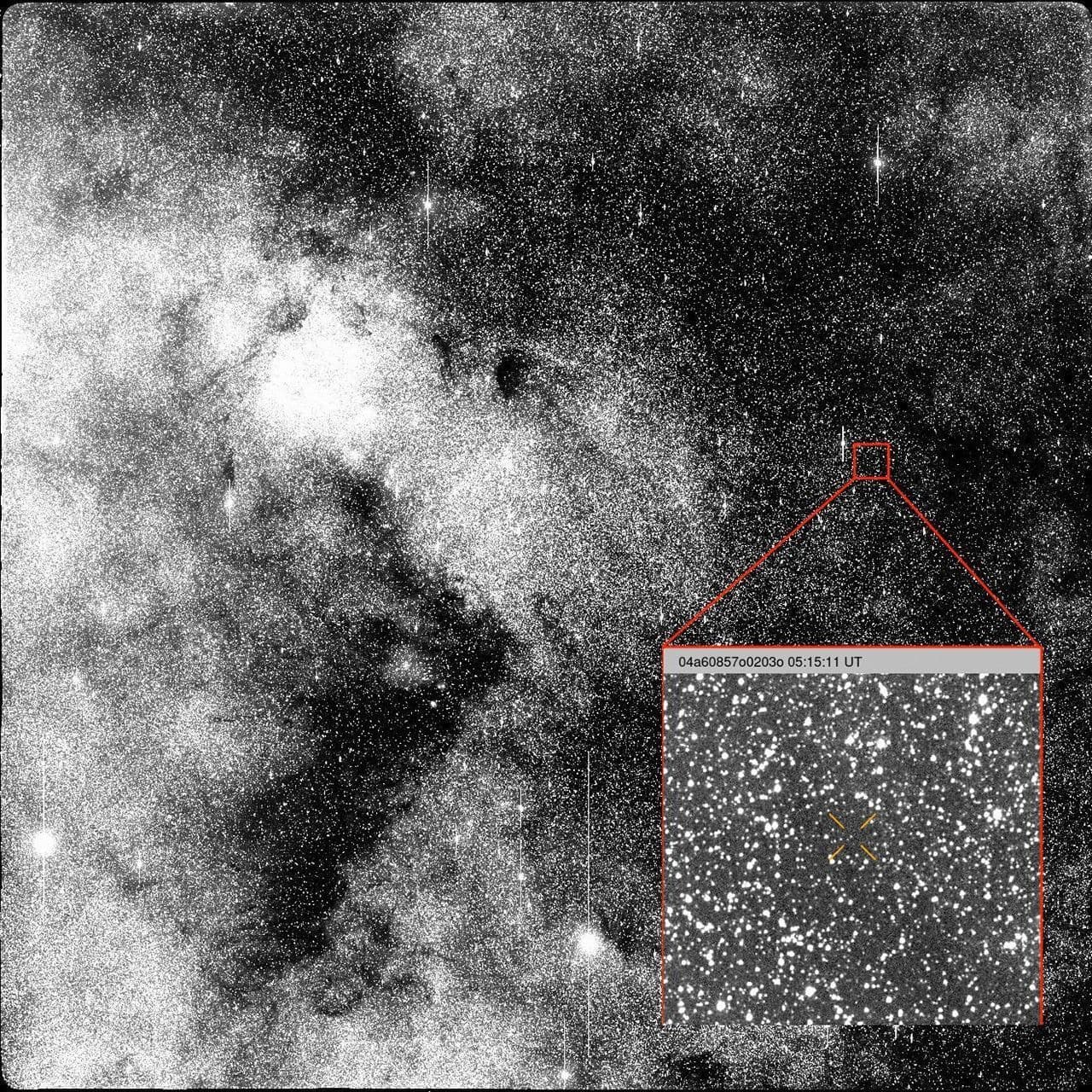
Wikipedia Photo - https://science.nasa.gov/solar-system/comets/3i-atlas/ (By: ATLAS/University of Hawaii/NASA)
Source Analysis




What happened
Why it matters:
What happened
Why it matters:
Where Sources Agree
- arrows_inputNear-term window is decisive: intensify observations and transparency: Sources across the board agree the coming weeks constitute a decisive observational window, demanding intensified monitoring and rapid, transparent data release to capture transient, informative behavior.
- arrows_inputAnomalous signatures are real and scientifically consequential: Coverage uniformly frames the pronounced anti-tail, cyanide and nickel detections, and polarization anomalies as robust signals that warrant reevaluating models of interstellar-comet behavior.
- arrows_inputSpacecraft sampling is feasible but contingent on timing and operations: Reports consistently note Europa Clipper and Hera could sample the ion tail (Oct 25–Nov 1 and Oct 30–Nov 6), yet success depends on solar‑wind alignment, instruments and mission constraints.
Where Sources Disagree
- arrows_output**Origin framing**: Most scientists interpret 3I/ATLAS as a natural interstellar comet; a minority (notably Avi Loeb) emphasizes anomalies and entertains low‑probability technological or maneuver hypotheses.
- arrows_output**Whistleblower credibility**: An anonymous post alleges engine‑like signals and data secrecy; most outlets and experts treat it as unverified, urging skepticism and calls for transparent, corroborated data.
Timeline
October 29, 2025
Perihelion Approaches; Maneuver Concern: With the object set to reach perihelion on October 29, 2025, Avi Loeb and others warned the close solar passage could allow a possible maneuver (a low‑probability but high‑impact scenario), while most scientists continue to treat 3I/ATLAS as a natural comet pending further data.
October 21, 2025
Alleged ESA Whistleblower Emerges: On October 21, an anonymous poster claiming to be an ESA Space Debris Engineer alleged a cover‑up, saying instruments detected a stable, 'engine‑like' signature from 3I/ATLAS and that relevant data were withheld from ESA colleagues. The claim remains unverified but amplified online speculation.
October 21, 2025
Spacecraft Tail‑Crossing Opportunity: A new preprint and related reports propose using two en‑route spacecraft (ESA's Hera and NASA's Europa Clipper) to sample ions from 3I/ATLAS's growing tail, with observation windows between October 25–November 1 (Hera) and October 30–November 6 (Europa Clipper).
Summary by Ground AI
Sources
See All 32A varied selection of sources chosen by Ground to reflect the diversity of this story’s coverage.
Most Written About
The stories getting the most coverage from the last 24 hours





Source Analysis
Timeline
October 29, 2025
Perihelion Approaches; Maneuver Concern: With the object set to reach perihelion on October 29, 2025, Avi Loeb and others warned the close solar passage could allow a possible maneuver (a low‑probability but high‑impact scenario), while most scientists continue to treat 3I/ATLAS as a natural comet pending further data.
October 21, 2025
Alleged ESA Whistleblower Emerges: On October 21, an anonymous poster claiming to be an ESA Space Debris Engineer alleged a cover‑up, saying instruments detected a stable, 'engine‑like' signature from 3I/ATLAS and that relevant data were withheld from ESA colleagues. The claim remains unverified but amplified online speculation.
October 21, 2025
Spacecraft Tail‑Crossing Opportunity: A new preprint and related reports propose using two en‑route spacecraft (ESA's Hera and NASA's Europa Clipper) to sample ions from 3I/ATLAS's growing tail, with observation windows between October 25–November 1 (Hera) and October 30–November 6 (Europa Clipper).


