MT Louise 1 Hit by Limpet Mines in Strait of Hormuz; Crew Safe
Iran
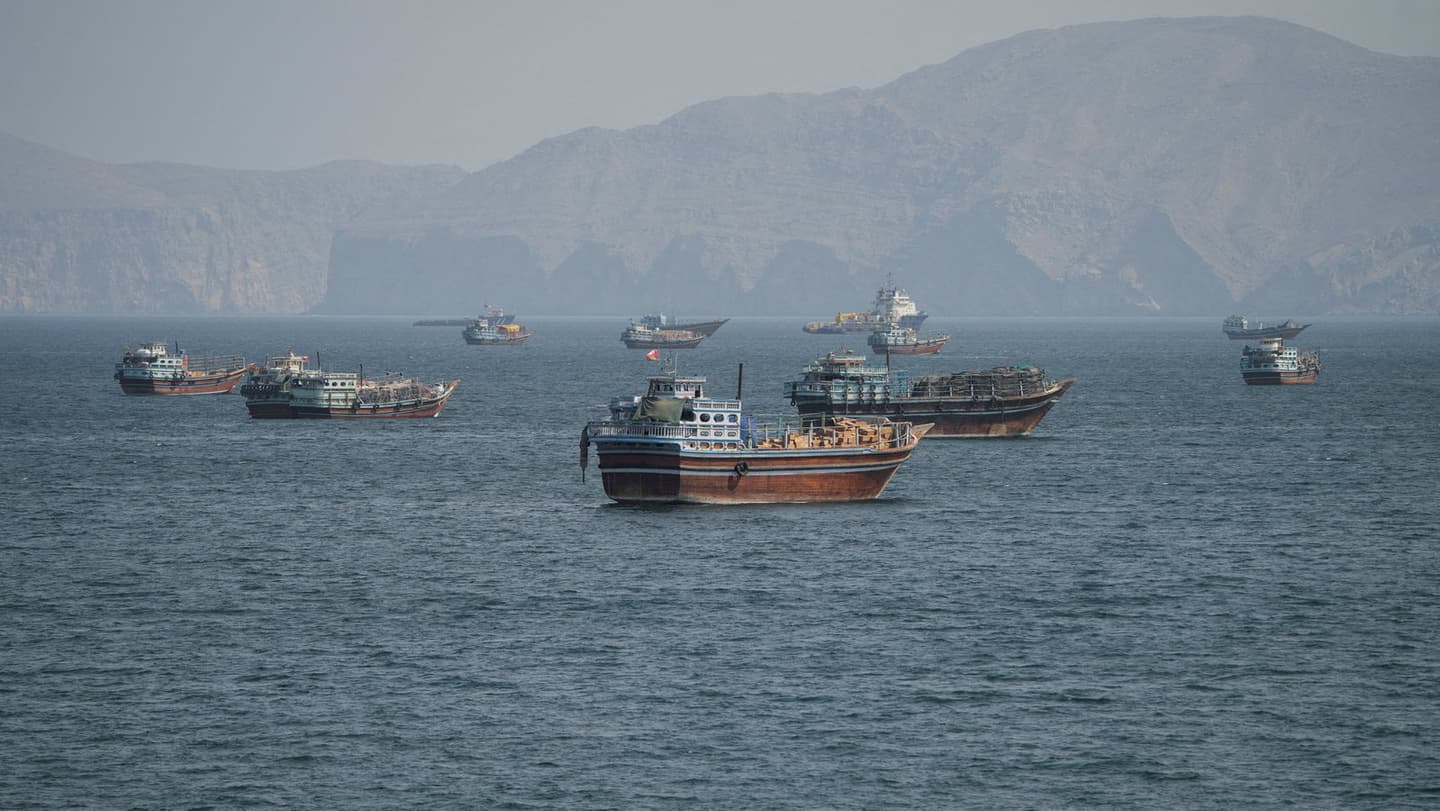
Stringer/Reuters
Source Analysis




What Happened
What Happened
Where Sources Agree
- arrows_inputTanker Attack Details: Coverage highlights the attack on the MT Louise 1, where a small boat approached the tanker and attached two limpet mines to its hull, causing a fire in the engine room, according to UKMTO and maritime security sources.
- arrows_inputCrew Safety Confirmed: Predominant reporting shows that all 27 Indian seafarers aboard the MT Louise 1 were safe following the limpet mine attack, with no injuries reported and the crew having successfully extinguished the engine room fire, according to official sources and maritime monitoring agencies.
- arrows_inputSecurity Tactic Escalation: Reports broadly predict that limpet mines will pose a sustained security challenge as these low-cost, radar-evading devices allow attackers in small boats to effectively target commercial shipping, according to maritime security firms and industry analysts.
Where Sources Disagree
- arrows_outputTanker Attack Attribution: Some reports attribute the attack on the MT Louise 1 directly to Iranian forces using limpet mines. However, other sources emphasize that responsibility for the incident remains unconfirmed, noting that military officials have not formally identified the attackers.
- arrows_outputTanker Ownership and Registry Discrepancies: While some sources identify the damaged tanker as UAE or Dubai-owned, other reports explicitly describe the vessel as Panama-flagged.
- arrows_outputContextualizing the Attack: Conflict-focused sources frame the attack within the broader ongoing US-Israeli war with Iran. In contrast, maritime security sources emphasize the specific security implications of the incident, focusing on the tactical shift by the IRGC in the Strait of Hormuz.
Timeline
October 30, 2026
Part of wider October surge: The attack came amid a record surge of ship incidents in October (28 confirmed in the month) and sits within hundreds of regional incidents since February; as of October 30 the IMO recorded 122 confirmed incidents and 24 seafarer deaths. Markets reacted, with Brent crude topping about $117 a barrel amid concerns of further escalation.
October 30, 2026
Fire controlled; voyage resumed: The crew brought the fire under control, extinguished it, and all personnel were accounted for; the tanker later resumed its journey with no reported environmental damage. UKMTO and governments said they were monitoring the situation and advising vessels to transit with caution.
October 29, 2026
Attack location and method detailed: The incident occurred about 25 nautical miles northeast of Khasab, Oman around 22:12 GMT, when a small boat affixed two explosive devices to the hull and then left the area. Maritime risk firms warned the tactic—placing cheap magnetic limpets by hand—poses a serious security concern in crowded Strait shipping lanes.
Summary by Ground AI
Sources
See All 44A varied selection of sources chosen by Ground to reflect the diversity of this story’s coverage.
Most Written About
The stories getting the most coverage from the last 24 hours







Source Analysis
Timeline
October 30, 2026
Part of wider October surge: The attack came amid a record surge of ship incidents in October (28 confirmed in the month) and sits within hundreds of regional incidents since February; as of October 30 the IMO recorded 122 confirmed incidents and 24 seafarer deaths. Markets reacted, with Brent crude topping about $117 a barrel amid concerns of further escalation.
October 30, 2026
Fire controlled; voyage resumed: The crew brought the fire under control, extinguished it, and all personnel were accounted for; the tanker later resumed its journey with no reported environmental damage. UKMTO and governments said they were monitoring the situation and advising vessels to transit with caution.
October 29, 2026
Attack location and method detailed: The incident occurred about 25 nautical miles northeast of Khasab, Oman around 22:12 GMT, when a small boat affixed two explosive devices to the hull and then left the area. Maritime risk firms warned the tactic—placing cheap magnetic limpets by hand—poses a serious security concern in crowded Strait shipping lanes.


