PAHO Declares U.S. Measles Endemic After Yearlong Transmission
United States
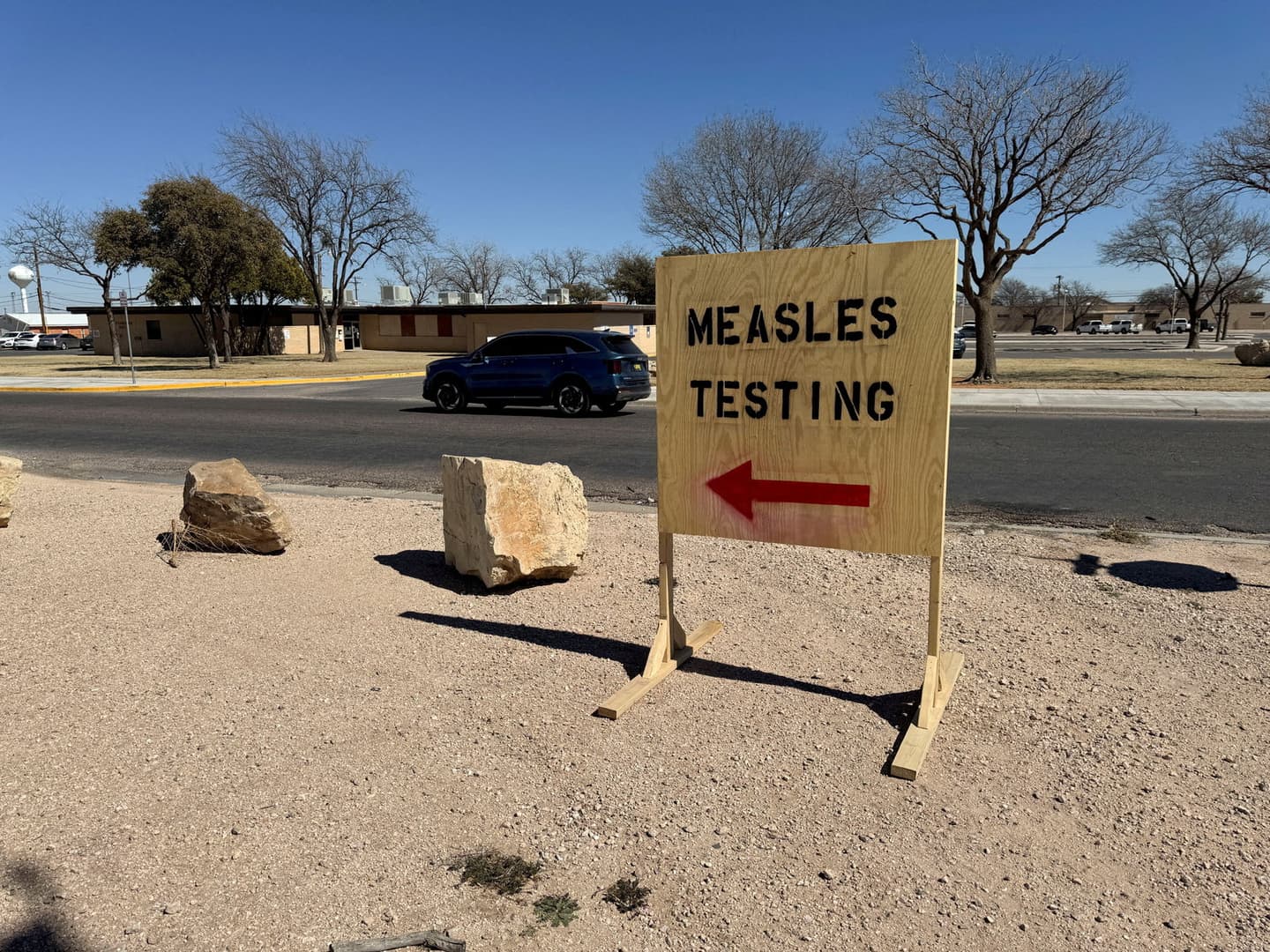
Sebastian Rocandio/Reuters
Source Analysis




What Happened
Key Implications
What Happened
Key Implications
Where Sources Disagree
- Measles Resurgence Attribution: Critics, including medical experts and lawmakers, attribute the measles resurgence to vaccine skepticism fueled by President Trump and Health Secretary Robert F. Kennedy Jr. Conversely, federal officials argue that vaccination rates had been in decline for years prior to the current administration, downplaying the impact of recent leadership rhetoric.
- Measles Death Count Discrepancy: The CDC reports six measles-associated deaths in the U.S. this year. In contrast, state health officials in Pennsylvania, Wisconsin, and New York report a combined total of 10 deaths, highlighting a discrepancy in how federal and state authorities classify and count fatalities.
Timeline
November 17, 2026
PAHO declares U.S. endemic: On November 17, 2026, the Pan American Health Organization announced the U.S. had lost its measles-free (elimination) status, saying endemic measles transmission had restarted in the United States (alongside Bolivia and Mexico); officials noted the U.S. had more than 5,400 confirmed cases this year and about ten measles-associated deaths. PAHO said countries must stop uninterrupted chains of transmission for at least 12 months to regain elimination status and expected the U.S. to submit a plan in the coming weeks.
September 01, 2026
2026 escalation and federal response: By 2026 the outbreaks intensified, driven largely by unvaccinated communities; the CDC reported more than 5,400 confirmed cases for the year and awarded $100 million in August and September to support state and local measles response. Experts warned vaccination coverage had dropped below the ~95% threshold needed for herd immunity, contributing to wider spread and hospitalizations.
December 31, 2025
Major 2025 U.S. outbreaks: In 2025 the U.S. saw a 30-year high for measles with 2,289 cases from 45 outbreaks across 43 states and Washington, D.C., including severe outbreaks in Texas, South Carolina, Arizona and Utah. The year included multiple deaths and marked a dramatic departure from the low annual case counts seen since elimination in 2000.
Perspectives and Debates
Summary by Ground AI
Sources
See All 355A varied selection of sources chosen by Ground to reflect the diversity of this story’s coverage.
Most Written About
The stories getting the most coverage from the last 24 hours


Source Analysis
Timeline
November 17, 2026
PAHO declares U.S. endemic: On November 17, 2026, the Pan American Health Organization announced the U.S. had lost its measles-free (elimination) status, saying endemic measles transmission had restarted in the United States (alongside Bolivia and Mexico); officials noted the U.S. had more than 5,400 confirmed cases this year and about ten measles-associated deaths. PAHO said countries must stop uninterrupted chains of transmission for at least 12 months to regain elimination status and expected the U.S. to submit a plan in the coming weeks.
September 01, 2026
2026 escalation and federal response: By 2026 the outbreaks intensified, driven largely by unvaccinated communities; the CDC reported more than 5,400 confirmed cases for the year and awarded $100 million in August and September to support state and local measles response. Experts warned vaccination coverage had dropped below the ~95% threshold needed for herd immunity, contributing to wider spread and hospitalizations.
December 31, 2025
Major 2025 U.S. outbreaks: In 2025 the U.S. saw a 30-year high for measles with 2,289 cases from 45 outbreaks across 43 states and Washington, D.C., including severe outbreaks in Texas, South Carolina, Arizona and Utah. The year included multiple deaths and marked a dramatic departure from the low annual case counts seen since elimination in 2000.


