Neanderthal Molar Shows Stone-Tool Dental Treatment in Siberia
Russia
lenovo/Reuters
Source Analysis




What Happened
What Happened
Where Sources Agree
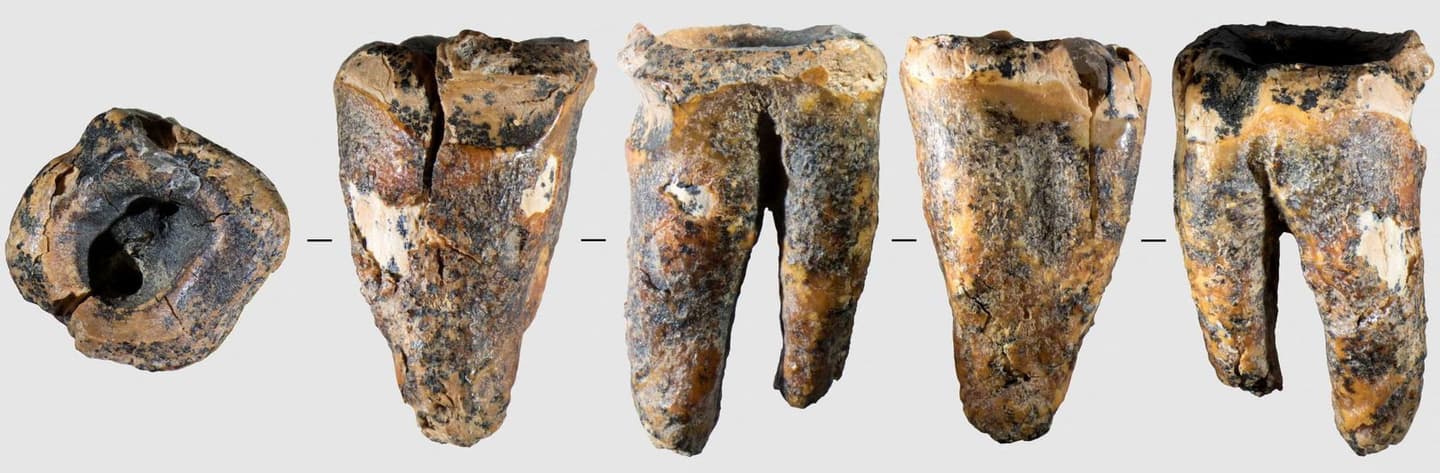
- arrows_inputAncient Neanderthal Dentistry: Coverage confirms a 59,000-year-old Neanderthal molar from Chagyrskaya Cave exhibits a deep hole drilled into its pulp chamber; microscopic patterns and experimental replication indicate deliberate human intervention, according to the study published in PLOS One.
- arrows_inputAncient Cavity Treatment: Most outlets confirm Neanderthals drilled cavities to treat toothaches 59,000 years ago in Siberia, challenging stereotypes about their cognitive abilities and pushing back dentistry history by 40,000 years, according to anthropologists and archaeologists.
- arrows_inputNeanderthal Dental Treatment: Initial reports confirm Neanderthals performed dental cavity treatment 59,000 years ago in Chagyrskaya Cave, with evidence showing successful intervention, according to archaeological discoveries.
Where Sources Disagree
- arrows_outputNeanderthal Dental Assistance: Some researchers suggest the Neanderthal dental procedure may have been self-treatment or that its social context remains unclear; however, others argue the procedure likely required assistance from another Neanderthal, highlighting close social bonds.
- arrows_outputIntentional Drilling Evidence: Study authors assert that microscopic patterns confirm deliberate human intervention for dental treatment; however, some experts express caution, stating the evidence is not a 'smoking gun' for intentionality.
- arrows_outputNeanderthal Dentistry Interpretation: Many outlets describe the Neanderthal dental procedure as a sophisticated medical strategy, pushing back dentistry's history; however, other reports suggest it was an unusual anomaly, not necessarily indicating advanced dental skills.
Timeline
May 13, 2026
Study published: earliest dentistry: A study published in PLOS One (May 13, 2026) concluded the Chagyrskaya 64 molar provides the oldest known evidence of intentional, invasive dental treatment—pushing back documented cavity intervention by tens of thousands of years and implying advanced Neanderthal medical cognition.
May 13, 2026
Lab experiments replicated marks: Researchers performed experimental drilling on modern human teeth using replicated fine-pointed jasper stone tools and reproduced the geometry, abrasions and striations seen on the Neanderthal molar, supporting the stone-tool drilling hypothesis.
2016
Molar unearthed in 2016: The molar was excavated from deep sediment in Chagyrskaya Cave during a summer 2016 season of fieldwork, though its significance was only recognized later during detailed analyses.
Summaries by Ground AI
Sources
See All 135Most Written About
The stories getting the most coverage from the last 24 hours





Source Analysis
Timeline
May 13, 2026
Study published: earliest dentistry: A study published in PLOS One (May 13, 2026) concluded the Chagyrskaya 64 molar provides the oldest known evidence of intentional, invasive dental treatment—pushing back documented cavity intervention by tens of thousands of years and implying advanced Neanderthal medical cognition.
May 13, 2026
Lab experiments replicated marks: Researchers performed experimental drilling on modern human teeth using replicated fine-pointed jasper stone tools and reproduced the geometry, abrasions and striations seen on the Neanderthal molar, supporting the stone-tool drilling hypothesis.
2016
Molar unearthed in 2016: The molar was excavated from deep sediment in Chagyrskaya Cave during a summer 2016 season of fieldwork, though its significance was only recognized later during detailed analyses.


