Bigger Market Crash Ahead? Analysts Weigh How Sensex, Nifty May React if US 10-Year Bond Yield Touches 5%
Traders now see a 65% chance of a September rate hike as higher oil prices and inflation worries push bond yields higher.
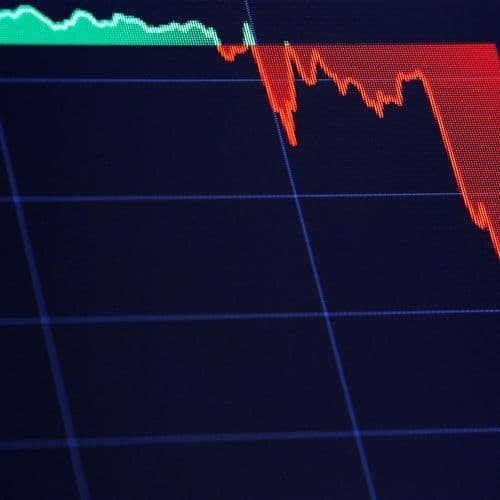
- On Wednesday, global bonds sold off sharply, pushing the U.S. 10-year Treasury yield to 4.79%, its highest level since January 2025 as the Middle East conflict drove energy prices higher.
- Renewed U.S.-Iran fighting and attacks on two Saudi oil tankers pushed Brent crude to $92 per barrel on Tuesday, while Federal Reserve Chair Kevin Warsh's hawkish comments on August 28 drove traders to price in 65% odds of a September rate hike.
- The 2-year U.S. Treasury yield climbed to 4.41%, with Japan's 10-year hitting 3% for the first time in 30 years on Tuesday, while Germany reached 3.35% and France 4.21%, both multi-year highs.
- Stock futures tumbled on Wednesday, with Nasdaq-100 down 1.15%, S&P 500 down 0.45%, and Dow down 0.07%; Nick Ferres, CIO of Vantage Point Asset Management, warned rates are pressuring debt service.
- Ed Yardeni, president of Yardeni Research, warned that bond vigilantes are driving yields higher over government deficits and debt loads; if the U.S. 10-year yield hits 5%, Treasury Secretary Scott Bessent may issue more Treasury bills to avert a selling panic.
11 Articles
11 Articles
 The Economic Times
 Times of India
Bigger market crash ahead? Analysts weigh how Sensex, Nifty may react if US 10-year bond yield touches 5%
Global bond yields are hitting multi-year highs, with the US 10-year yield nearing 5% amid rising oil prices, inflation fears and concerns over government debt. Indian 10-year yields also crossed 7%, raising concerns about the impact of higher borrowing costs and shifting investor preference on equities.


 Investor's Business Daily
 BizToc
Treasury Yields Hit 19-Month High As Bond Woes Spread Around The Globe
The U.S. 10-year yield rose as high as 4.797% this morning, the highest since Jan. 14, 2025. Yields also jumped in other major world economies.


Investors are abandoning government bonds en masse as the conflict in the Middle East is rekindling inflation. At the same time, the rapid increase in government debt is intensifying concern in the world's largest economies. Thus, the sale of securities is sharply raising yields and increasing the cost of borrowing for governments, businesses and households. In addition, energy precision is making it difficult for central banks and limiting the …
Coverage Details
Bias Distribution
- 67% of the sources lean Right


Factuality
To view factuality data please Upgrade to Premium