Early Changes Linked to Ovarian Cancer May Leave a Trace in the Blood—New Study
The RNA signal outperformed CA125 in samples from 506 people, including 43 with serous tubal intraepithelial carcinoma, researchers said.
10 Articles
10 Articles


A blood marker could indicate whether a patient has a serous tubable intraepithelial carcinoma – an early sign of advanced ovarian cancer.

Early changes linked to ovarian cancer may leave a trace in the blood—new study
The most common type of ovarian cancer tends to grow quickly. It's called high-grade serous ovarian cancer and often starts in a fallopian tube, one of the tubes that carry eggs from the ovaries toward the uterus.
 The Conversation
 Western Morning News
Early changes linked to ovarian cancer may leave a trace in the blood – new study
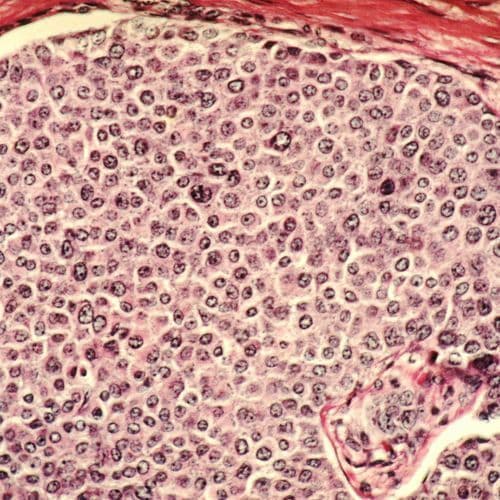
Microscope image of high grade serous ovarian cancer, the most common type of ovarian cancer. Jose Luis Calvo/ShutterstockThe most common type of ovarian cancer tends to grow quickly. It’s called high-grade serous ovarian cancer and often starts in a fallopian tube, one of the tubes that carry eggs from the ovaries towards the womb. The first changes can be so small that they’re usually found only when a specialist examines the tube under a micr…

Scientists have discovered a molecule in the blood that could help detect changes leading to ovarian cancer years in advance. The discovery is crucial because this cancer is usually diagnosed at an advanced stage, when the disease has already spread, reports Nature Medicine.

Diagnosed too late, this female cancer is among the most feared, for lack of early alarm. Its danger would be read in a simple drop of blood, long before any tumor. An ovarian blood test opens this trail, capturing a murmuring that the sick cells let escape.
Coverage Details
Bias Distribution
- 75% of the sources are Center


Factuality
To view factuality data please Upgrade to Premium