Israel’s Divided Election Heads Toward an Oct. 7 Reckoning
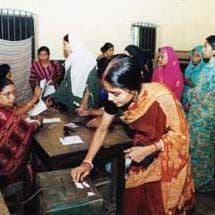
- On Tuesday, Israelis headed to the polls to elect the Knesset in the first general election since the Hamas-led attacks, testing Benjamin Netanyahu's far-right government.
- Final weekend opinion polls suggest a potential parliamentary deadlock, with neither major bloc currently projected to reach a 61-seat majority in the Knesset.
- Families gathered in Tel Aviv on Tuesday to honor relatives killed in the attacks, observing a minute's silence beside a white installation bearing the date "7.10.23."
- Turnout among Israel's 1.2 million eligible Palestinian citizens and voting across 850 military polling stations could prove decisive in forming a workable government.
- Netanyahu claimed support from President Donald Trump regarding joint action against Iran, though the White House confirmed no attack will occur prior to midterms; exit polls are expected at 21:00 CET.
43 Articles
43 Articles

The turnout for the Knesset (Israeli Parliament) at 10 a.m. local time (11.00 Moscow) was 16.7 per cent since 1981, reporting on Tuesday The Times of Israel with reference to the country's beard data.


Voter turnout in Israel's parliamentary elections reached 16.68% three hours after polling stations opened. More than 1.2 million people have voted so far, the Central Election Commission said. Polls opened at 7:00 a.m. local time. The figures were announced by the commission's director, Dean Livne. "More than 1.2 million Israelis have exercised their right to vote," Livne said. Highest turnout at this stage since 1981 The reported figure is the…

By 10:00 on Tuesday morning, 16.68% of registered citizens in Israel had exercised their right to vote, exceeding one million voters - When will we know the first results?


The Central Election Commission reported on Tuesday that voter turnout in the first three hours of Israel's crucial general election was 16.68 percent, the highest turnout in this phase of voting since 1981.

The Israeli elections test the ability of the record turnout to remove Netanyahu, in the light of the October 7 failures, heightened fears about his policies, and the role of the Arab voice in determining the balance of power and forming the future government.
Coverage Details
Bias Distribution
- 41% of the sources lean Left


Factuality
To view factuality data please Upgrade to Premium