Macron and Merz Hold Keys to an EU Budget Deal — but May Be Too Weak to Use Them
10 Articles
10 Articles

DECRYPTAGE - The German Chancellor has taken the lead of the "frugal" clan to demand massive cuts in spending. On the contrary, France wants to increase revenues to finance Europe's ambitions. A race against the clock to finish before Christmas.

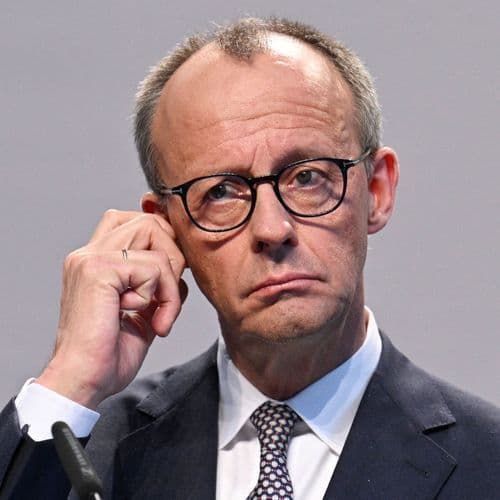
France's President, Emmanuel McRon, and German Chancellor Friedrich Mertz, were not prepared to make concessions on the EU's seven-year budget at the Brussels summit because of domestic political problems. On Thursday, in Brussels, the EU launched a two-day summit, at which leaders are trying to agree on a seven-year budget for an alliance of about two trillion euros: Germany insists on cuts, and France resists cutting costs, passing on the Poli…


The European summit is about the EU's new huge budget, which Germany in particular is supposed to finance. Two influential Germans in Brussels make it difficult for the Chancellor to reject this.

Political pressure on Emmanuel Macron and Friedrich Merz is limiting their room for manoeuvre to break the deadlock in negotiations over the European Union's next seven-year budget. As EU leaders gather in Brussels for a two-day summit starting Thursday, the leaders of the bloc's two largest countries are in a key position to break a months-long impasse between member states. On one side is a group of countries, led by Germany, that are in favou…

France and Germany are at risk of delaying negotiations on a new seven-year EU budget due to differences between Emmanuel McRon and Friedrich Mertz, and Berlin is demanding cost cuts and Paris is opposed to substantial cuts in funding, while both leaders fear the domestic political implications of possible concessions, states Policyo.
Coverage Details
Bias Distribution
- 75% of the sources lean Right


Factuality
To view factuality data please Upgrade to Premium